


摘要:
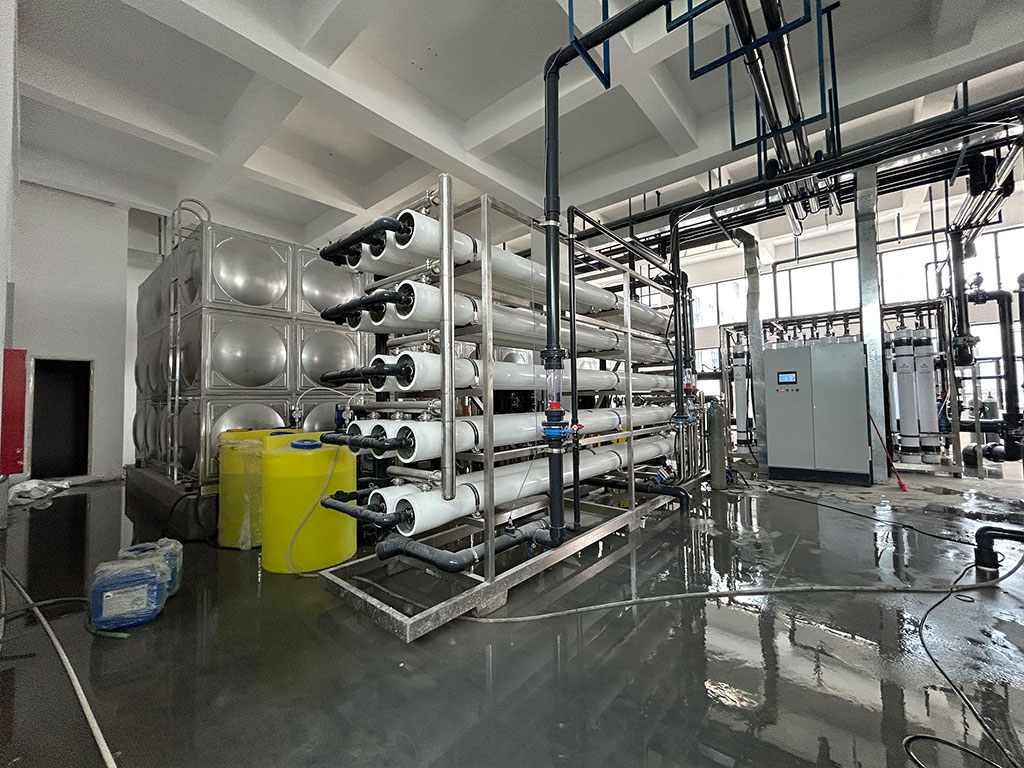
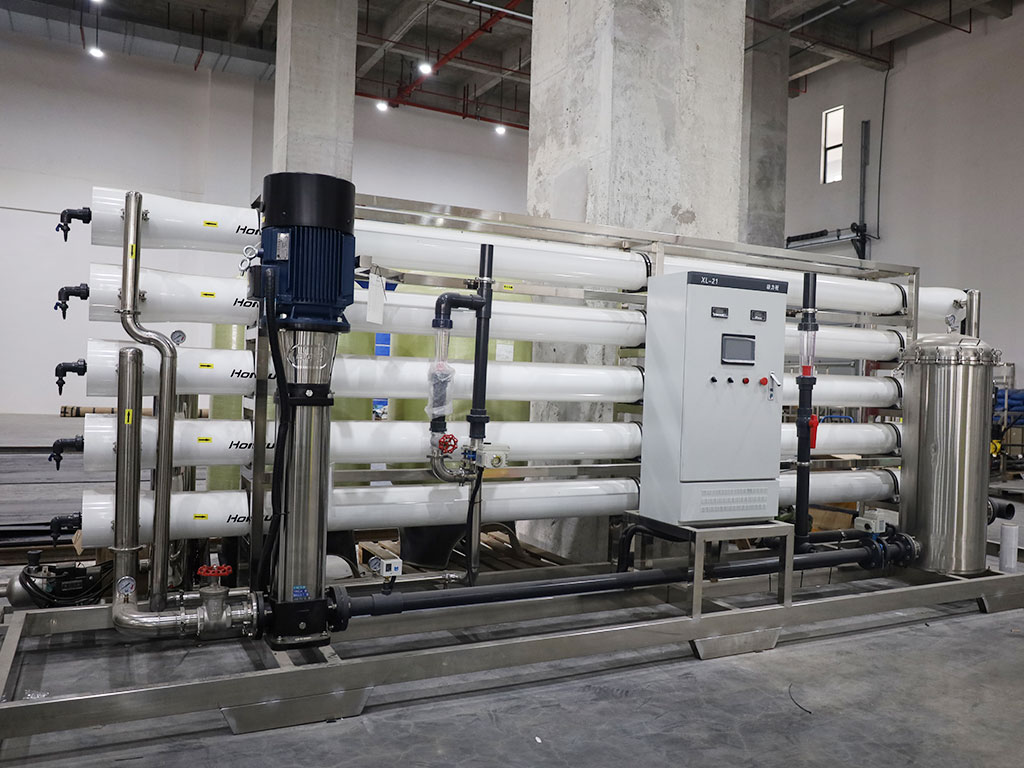
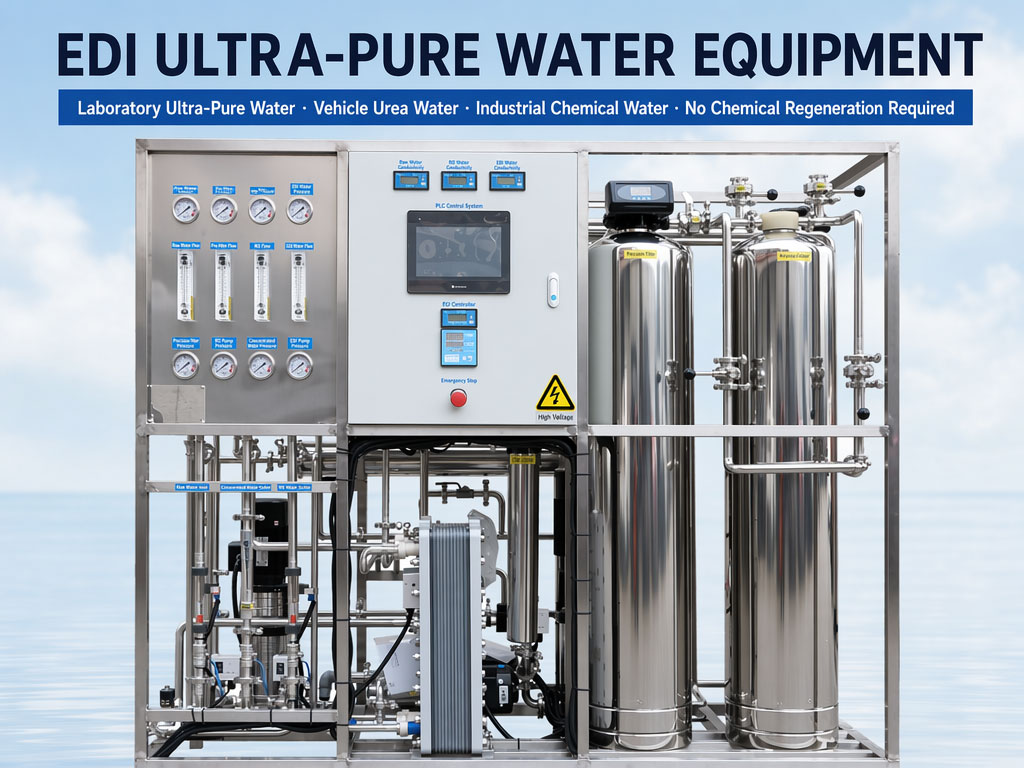
Industrial pure water machine, specially designed for industrial scenarios such as chemical, power, photovoltaic, food and beverage, can stably provide high-quality pure water with conductivity ≤ 5-10 μ S/cm, in compliance with GB/T 19249-2017 "Reverse Osmosis Pure Water Machine" standard. The equipment adopts the core technology of "pretreatment+RO reverse osmosis+frequency conversion control", supports customized flow rates of 0.5-100 tons/hour, accurately adapts to different production line water needs, effectively solves problems such as scaling, corrosion, and residual impurities in industrial production, and helps enterprises improve process stability and product qualification rate. It is a reliable choice for industrial water purification.
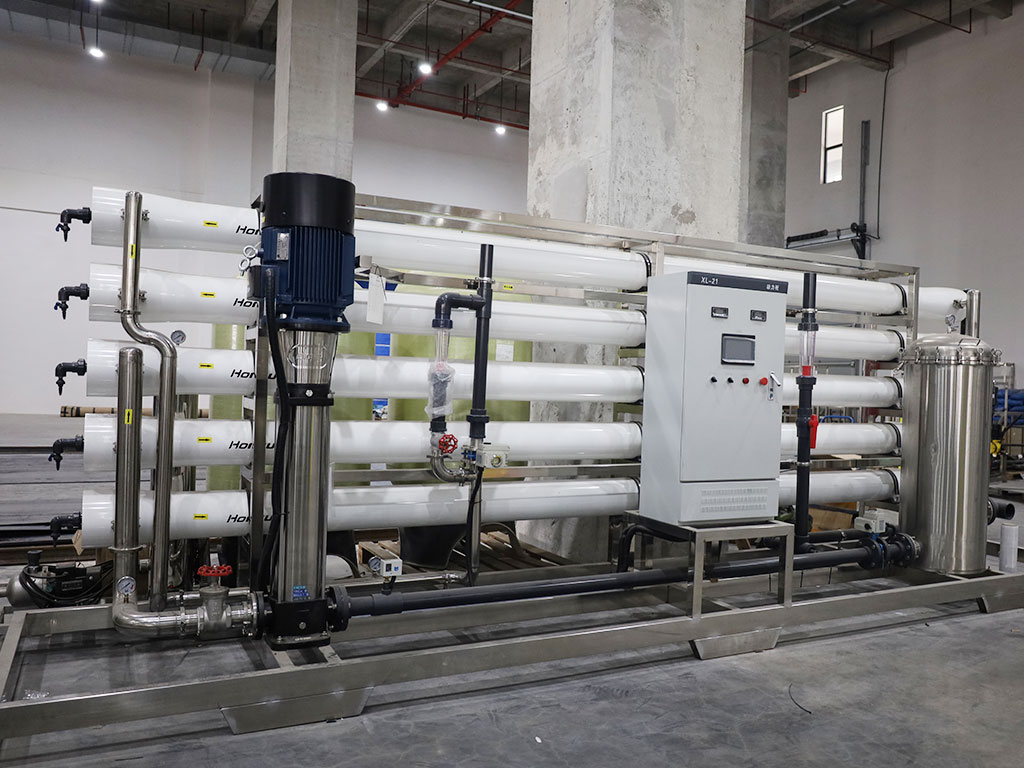
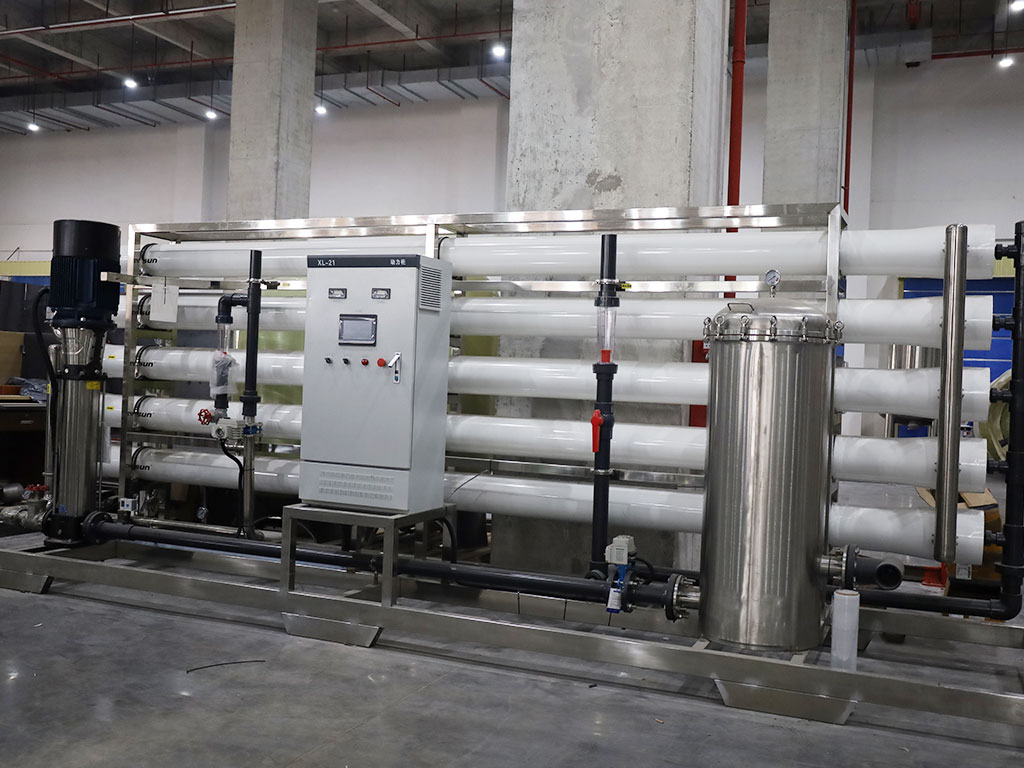
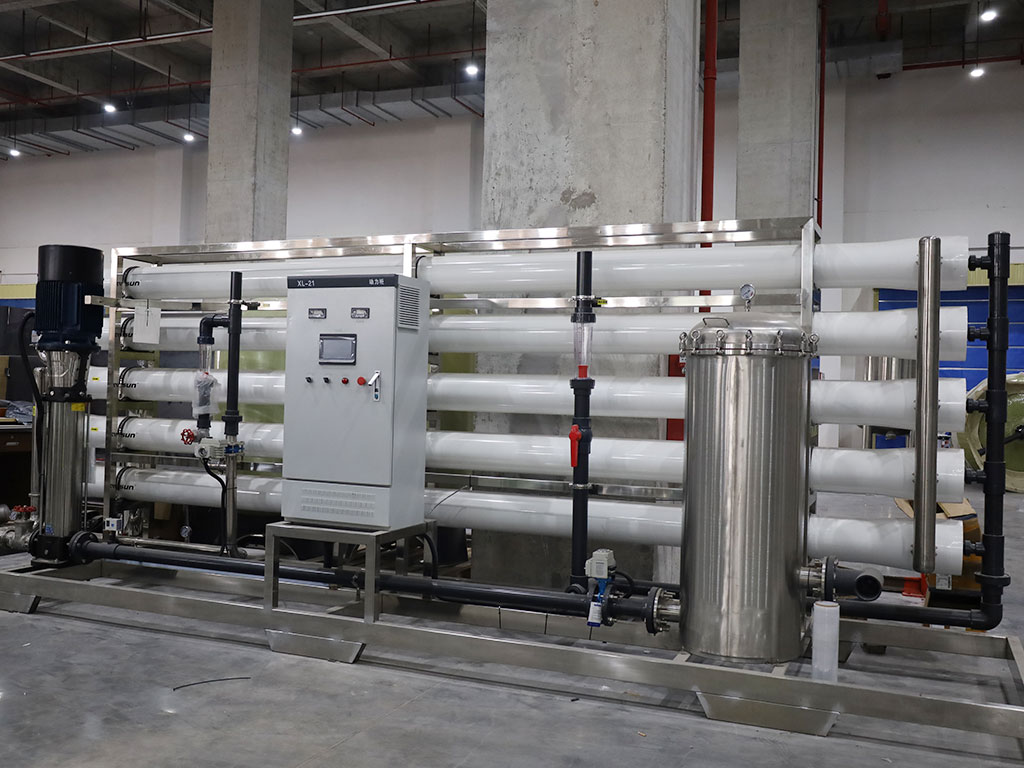
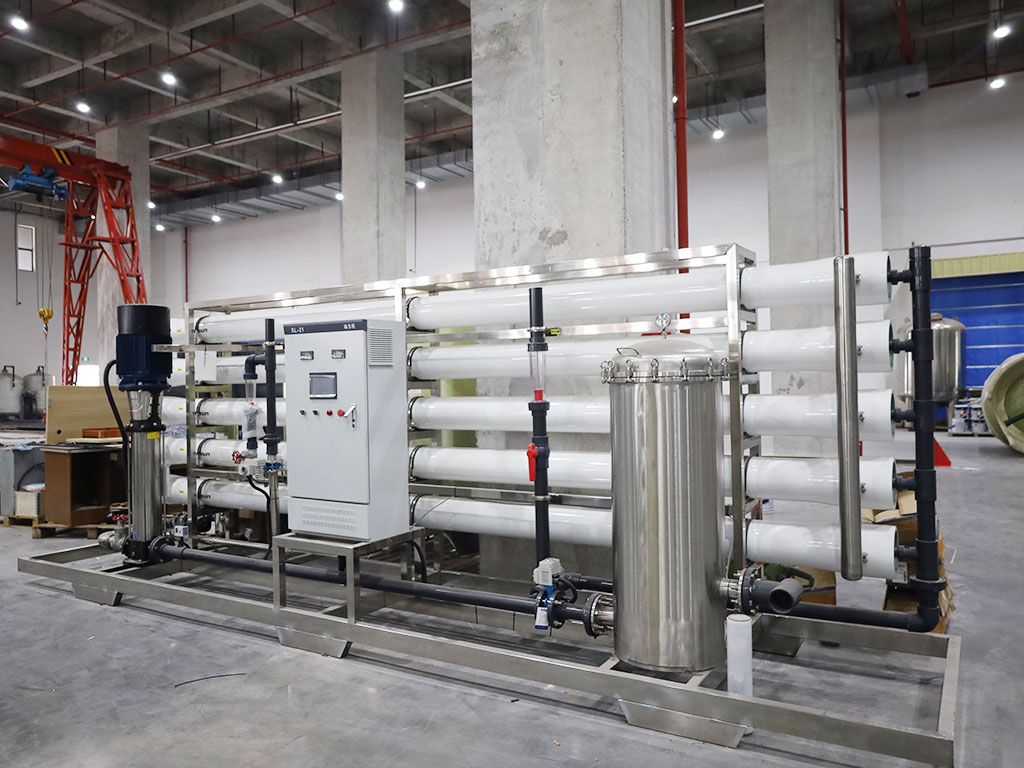
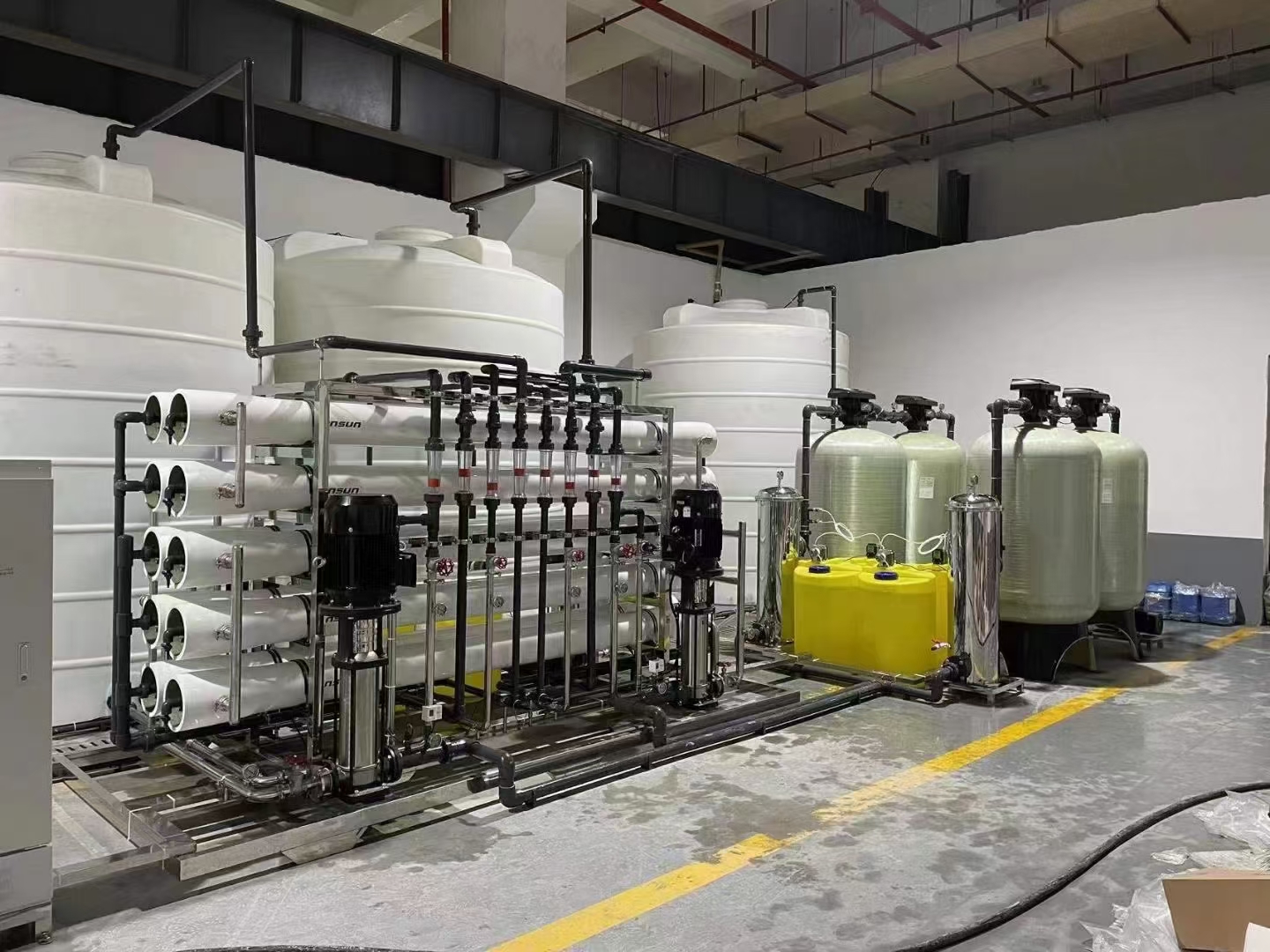
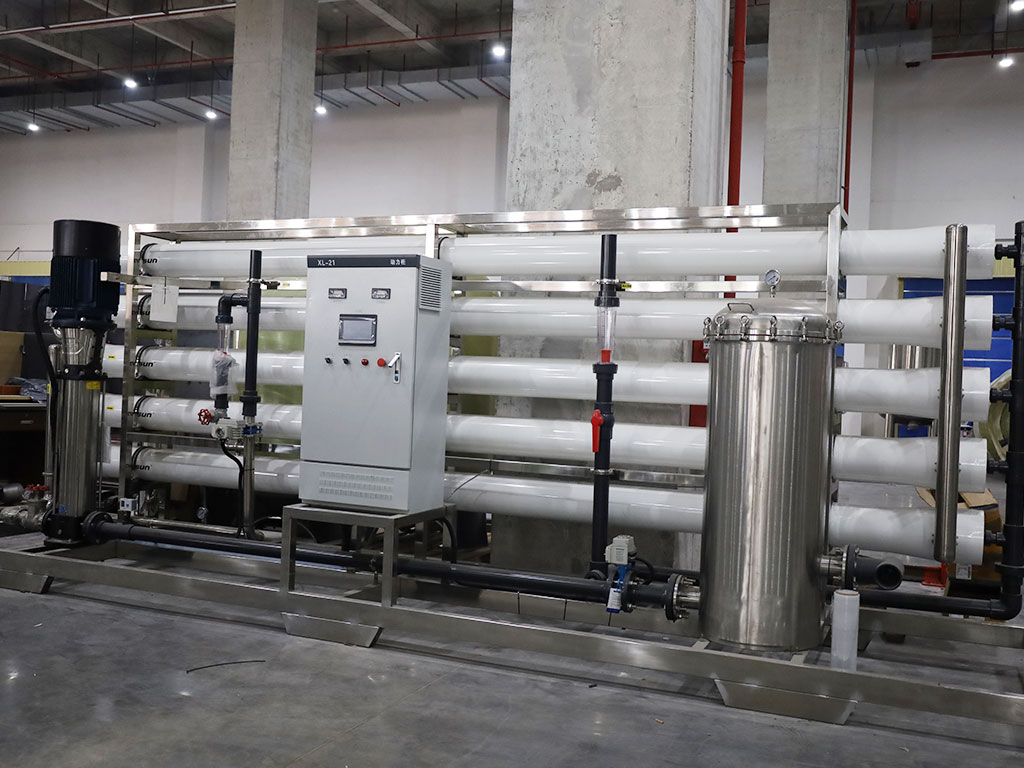
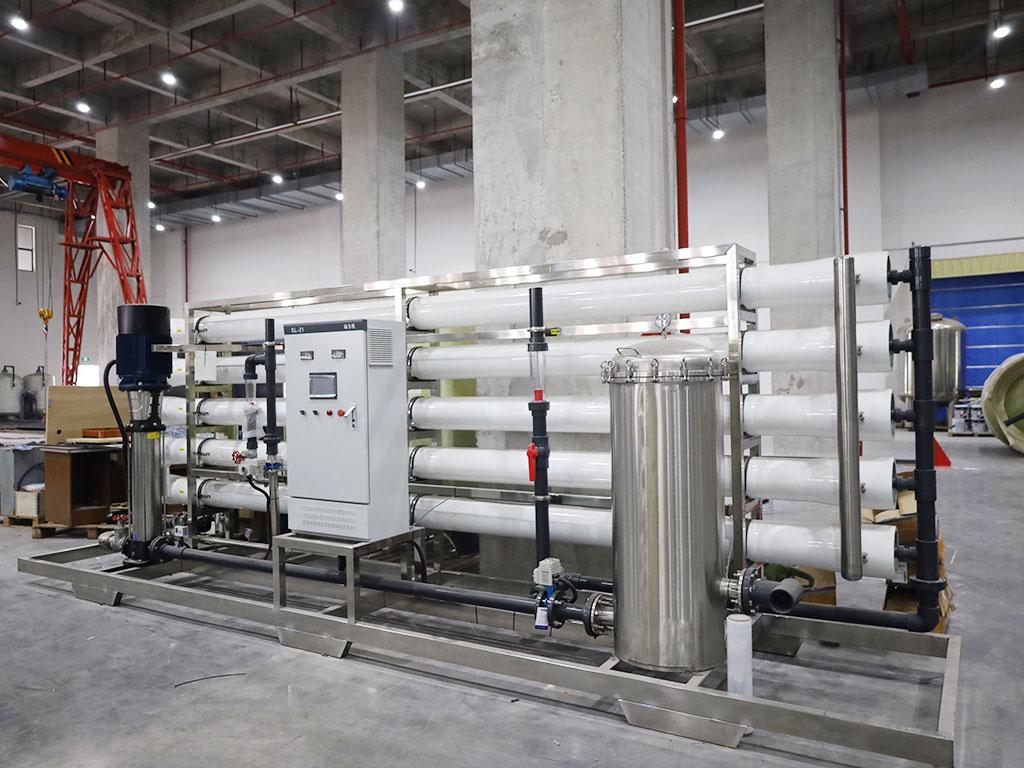
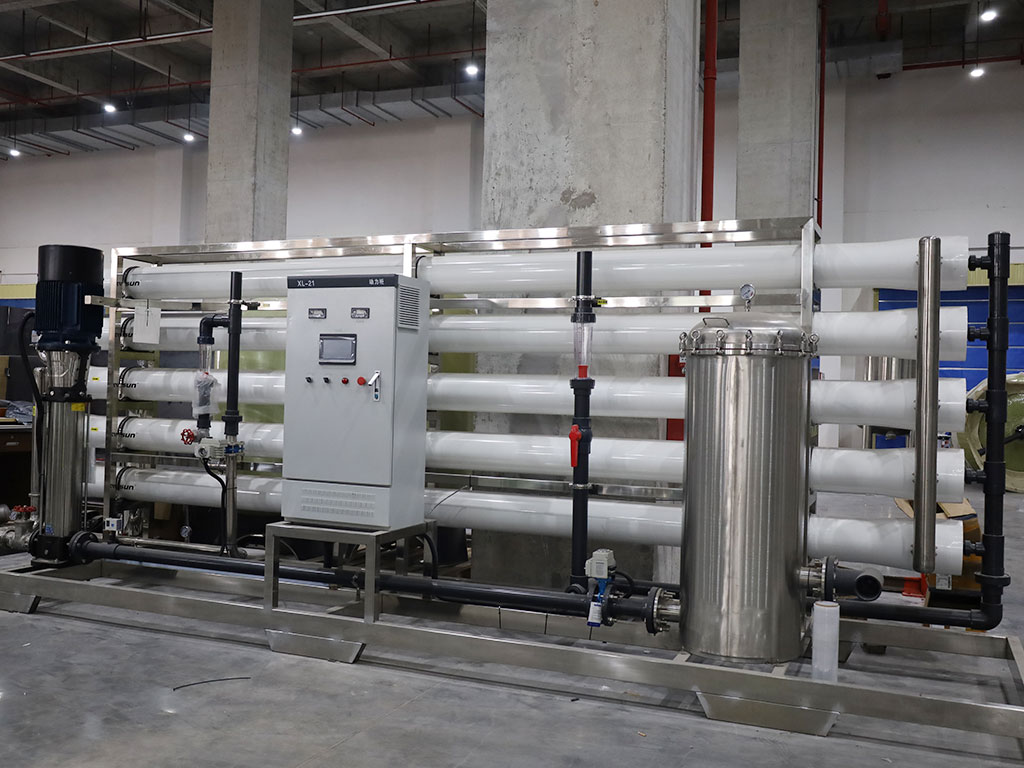
Single stage reverse osmosis pure water equipment is an efficient water treatment device developed for various water purification needs. This equipment adopts internationally advanced reverse osmosis membrane separation technology, with a desalination rate of over 99.5% (under standard operating conditions) for membrane elements. It can effectively remove more than 98% of soluble salts, 99% of colloids, microorganisms, organic matter, bacteria and other impurities in water. The designed water production range of the equipment is 0.5-100m ³/h, which can be customized according to the water needs of users in different industries. It is widely used in various fields such as chemical industry, food and beverage, and provides stable and high-quality pure water guarantee for enterprise production. Its core advantage lies in integrating complex water treatment processes, achieving automated operation through precise control systems, greatly reducing manual operating costs, and improving water use efficiency.
The impact of impurities in water on equipment
Various impurities in water can affect the operational efficiency and service life of single-stage reverse osmosis pure water equipment. Among them, if the content of suspended solids and colloids (such as sediment, clay, algae, etc.) is too high, it will block the microporous structure of the reverse osmosis membrane, resulting in a decrease in membrane flux, an increase in equipment operating pressure, and a decrease in water production; When the concentration of soluble salts (such as calcium, magnesium, sodium, sulfate, etc.) is too high, scaling is prone to form on the membrane surface, especially when the Langmuir index (LSI) of the raw water is positive, the risk of scaling significantly increases, affecting the desalination performance of the membrane; Organic matter (such as humic acid, fulvic acid, oil, etc.) and microorganisms (bacteria, fungi, algae, etc.) will adsorb on the membrane surface, forming organic pollution and biofilm, which not only reduces the separation efficiency of the membrane, but may also produce odors and harmful substances, affecting the quality of the produced water; In addition, oxidative substances such as free chlorine can cause chemical damage to membrane components, disrupt the structure of the membrane, and lead to a decrease in desalination rate. Therefore, before the operation of the equipment, the raw water needs to be pretreated to control the turbidity of suspended solids below 1NTU, SDI (pollution index) ≤ 5, and residual chlorine content<0.1mg/L, to ensure stable and efficient operation of the equipment.
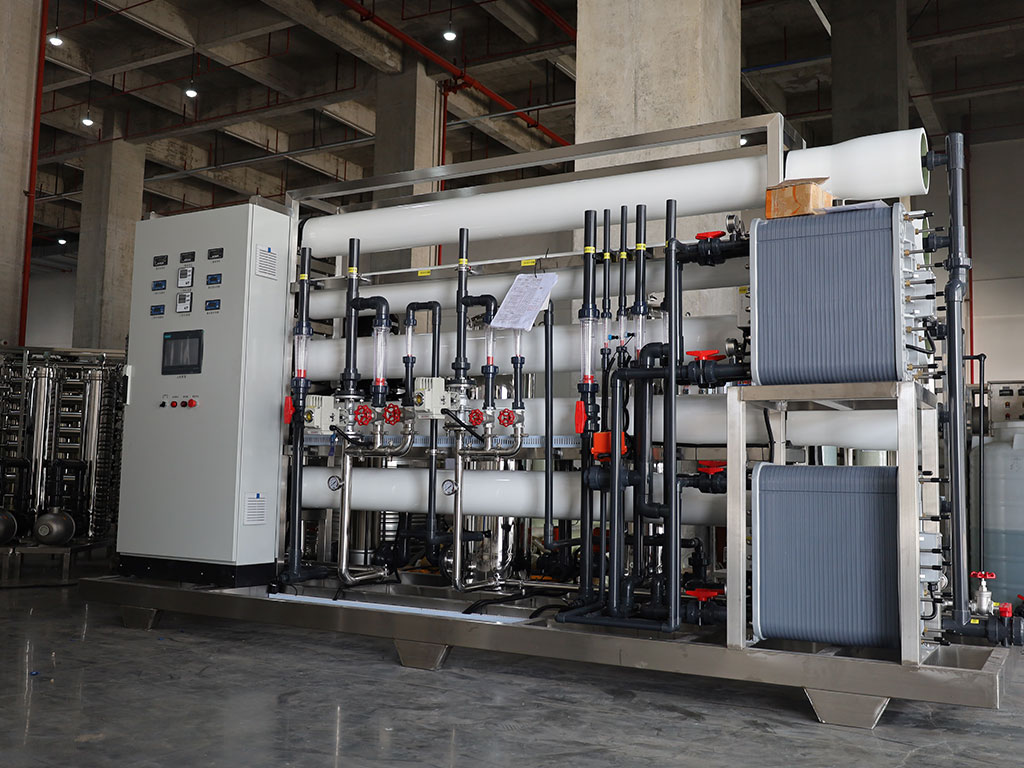
Single stage reverse osmosis pure water equipment has multiple significant characteristics, helping users achieve efficient and economical water needs. In terms of performance, imported Dow/Heiden reverse osmosis membrane elements are used, which have high desalination rate and strong chemical stability. They can achieve high water recovery rate (≥ 75%) at lower operating pressures (6-10 bar). Compared with traditional water treatment equipment, energy consumption is reduced by more than 30%, effectively saving operating costs. The equipment is equipped with an intelligent control system that integrates a PLC programmable controller and a 7-inch color touch screen. It can monitor key parameters such as inlet pressure, flow rate, conductivity, pH value in real time, support automatic flushing, fault diagnosis, and alarm functions, achieve unmanned operation, and reduce the difficulty of manual management. In terms of structural design, modular assembly is adopted, which occupies a small area (saving 20% space compared to similar products), is easy to install, and can flexibly adapt to different site environments. The material selected is 304 stainless steel frame and food grade PVC pipeline, with strong corrosion resistance and a service life of over 10 years. In addition, the equipment has strong adaptability and can handle various water qualities with a conductivity of ≤ 2000 μ S/cm, including groundwater, surface water, tap water, etc. It has a wide range of applications and meets the water use standards of different industries.
Equipment components and functions
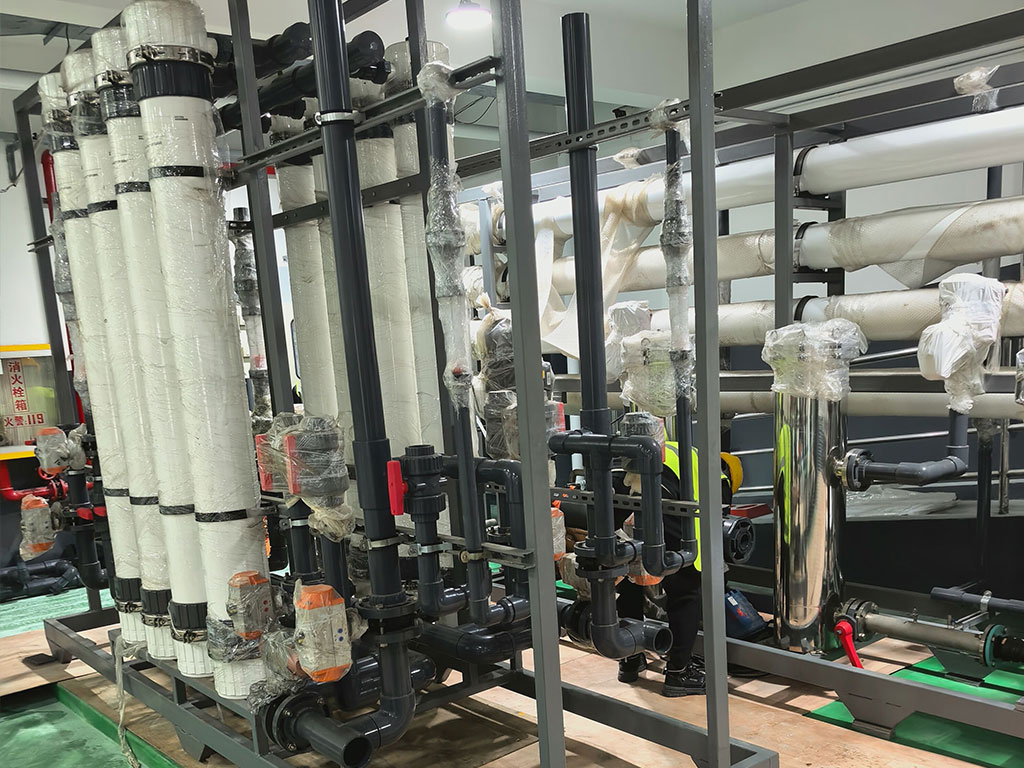
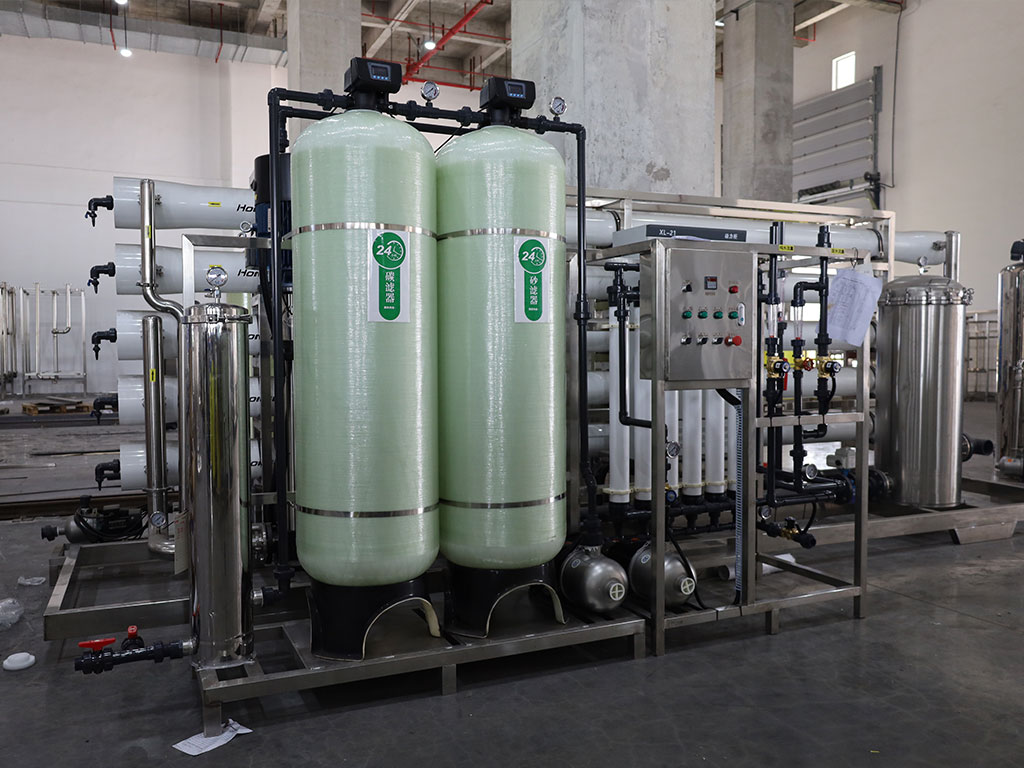
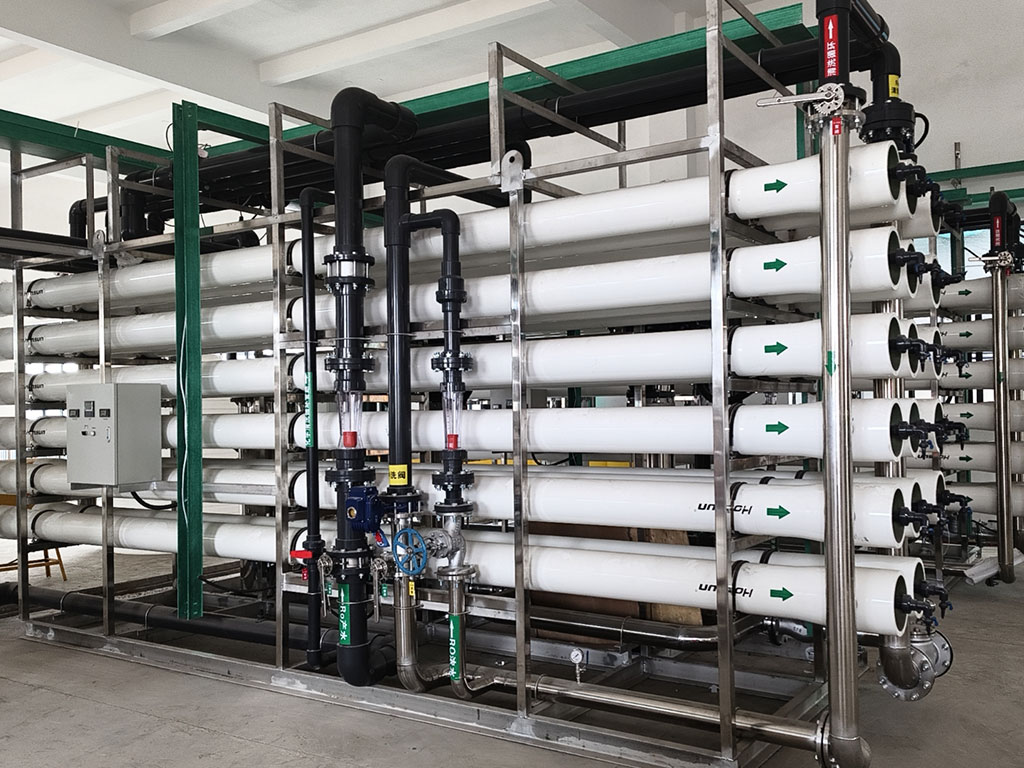
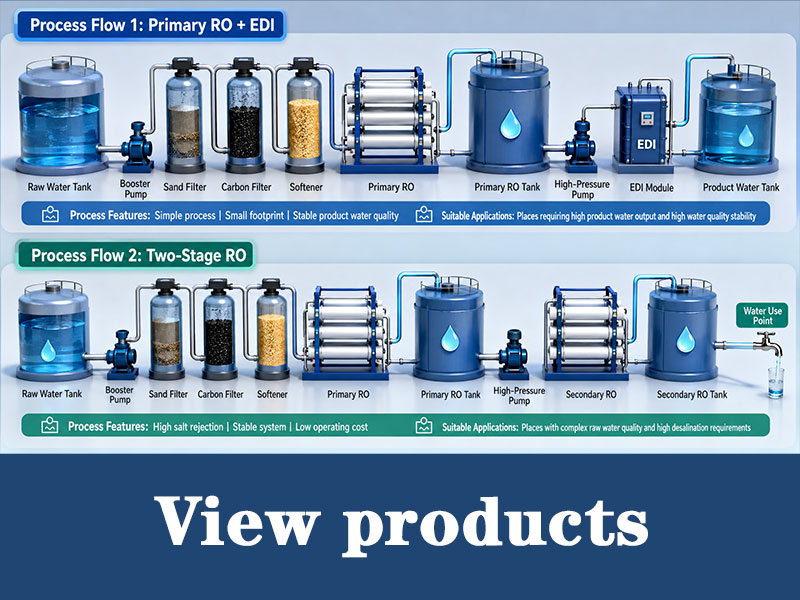
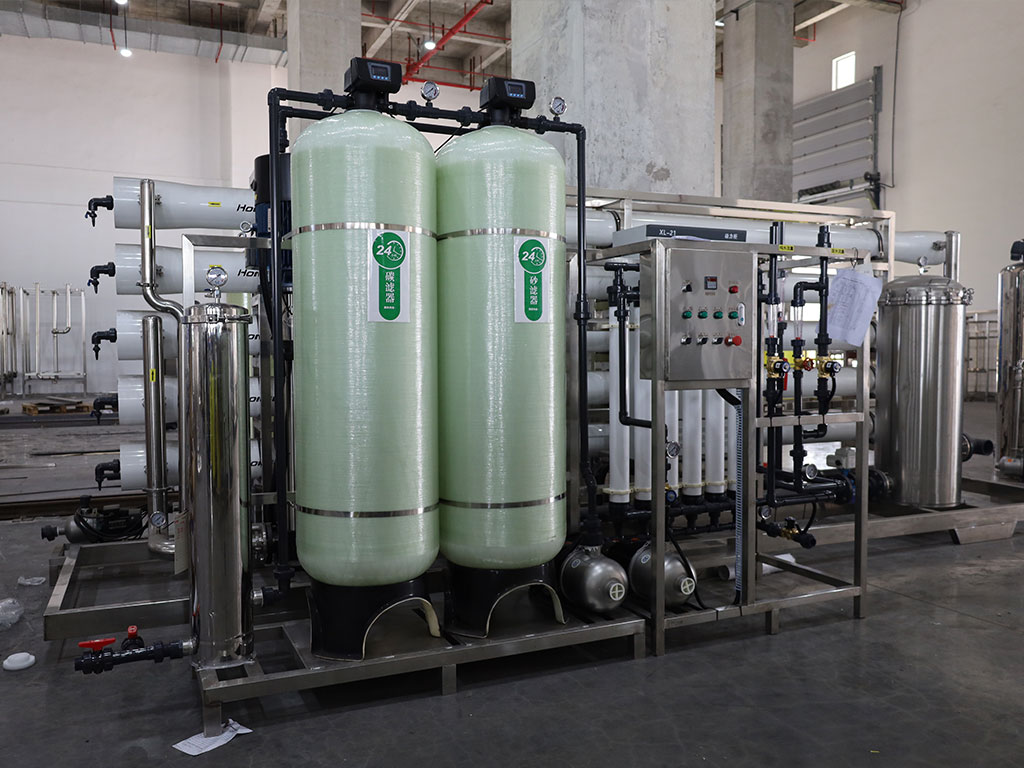
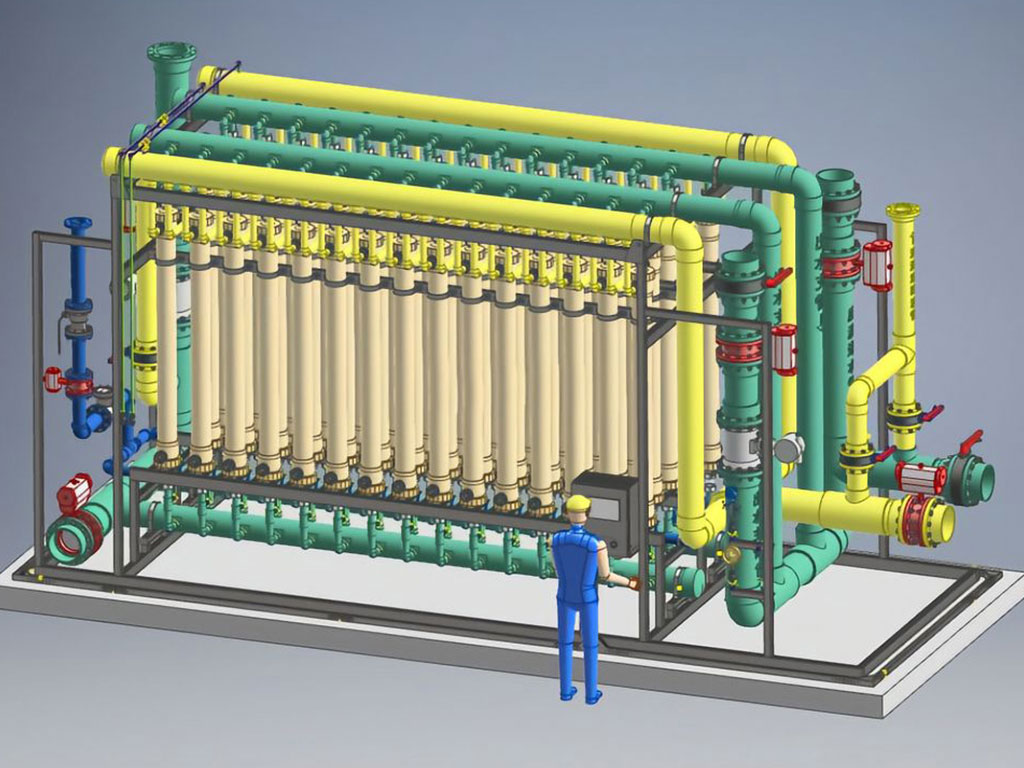
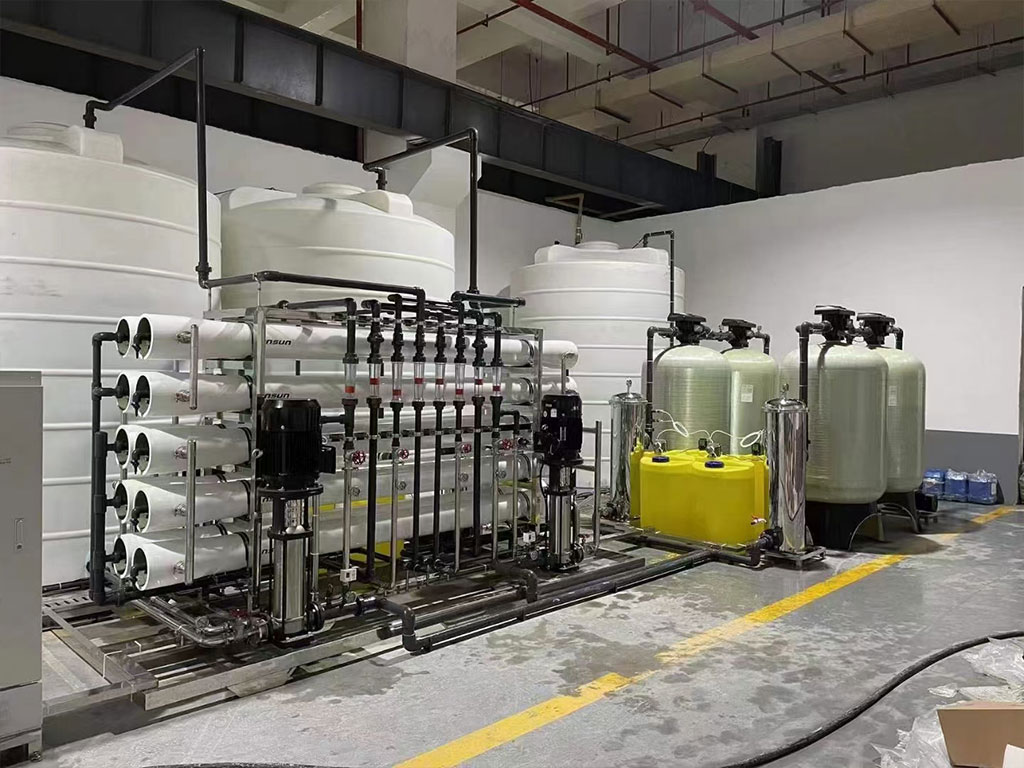
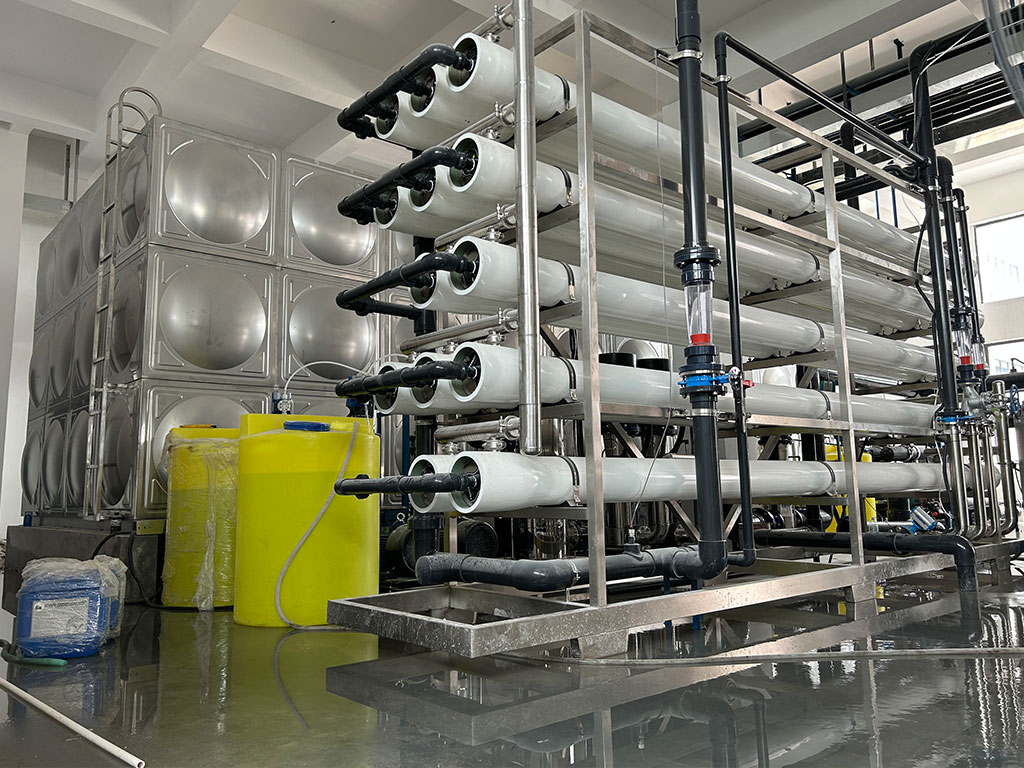
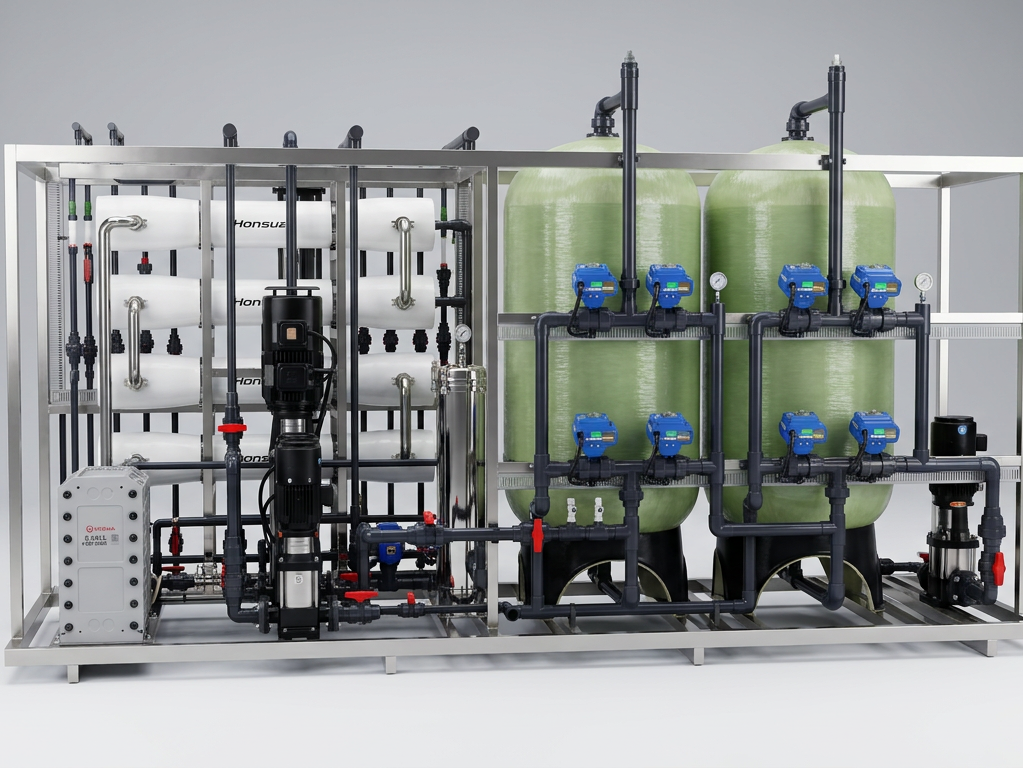
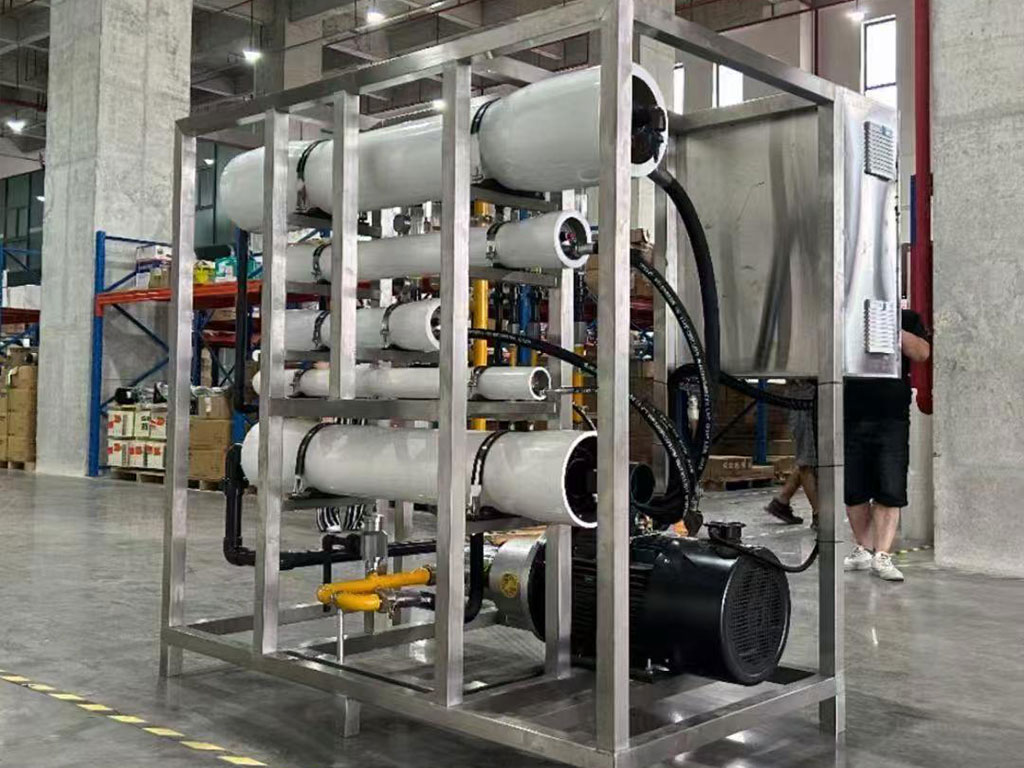
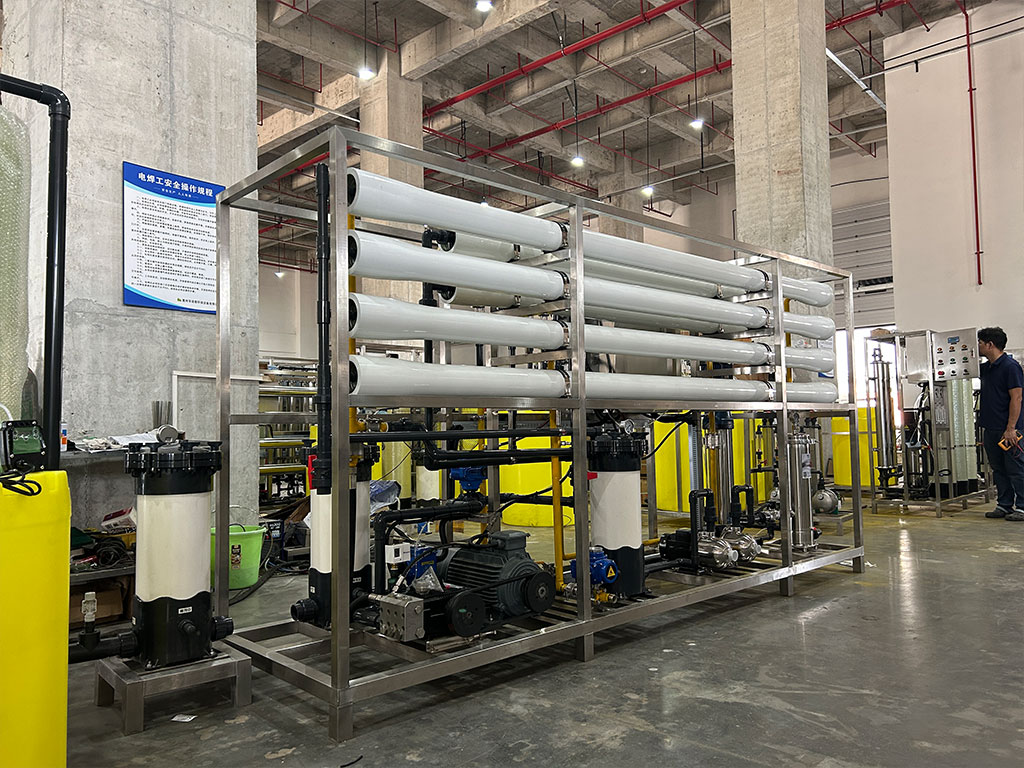
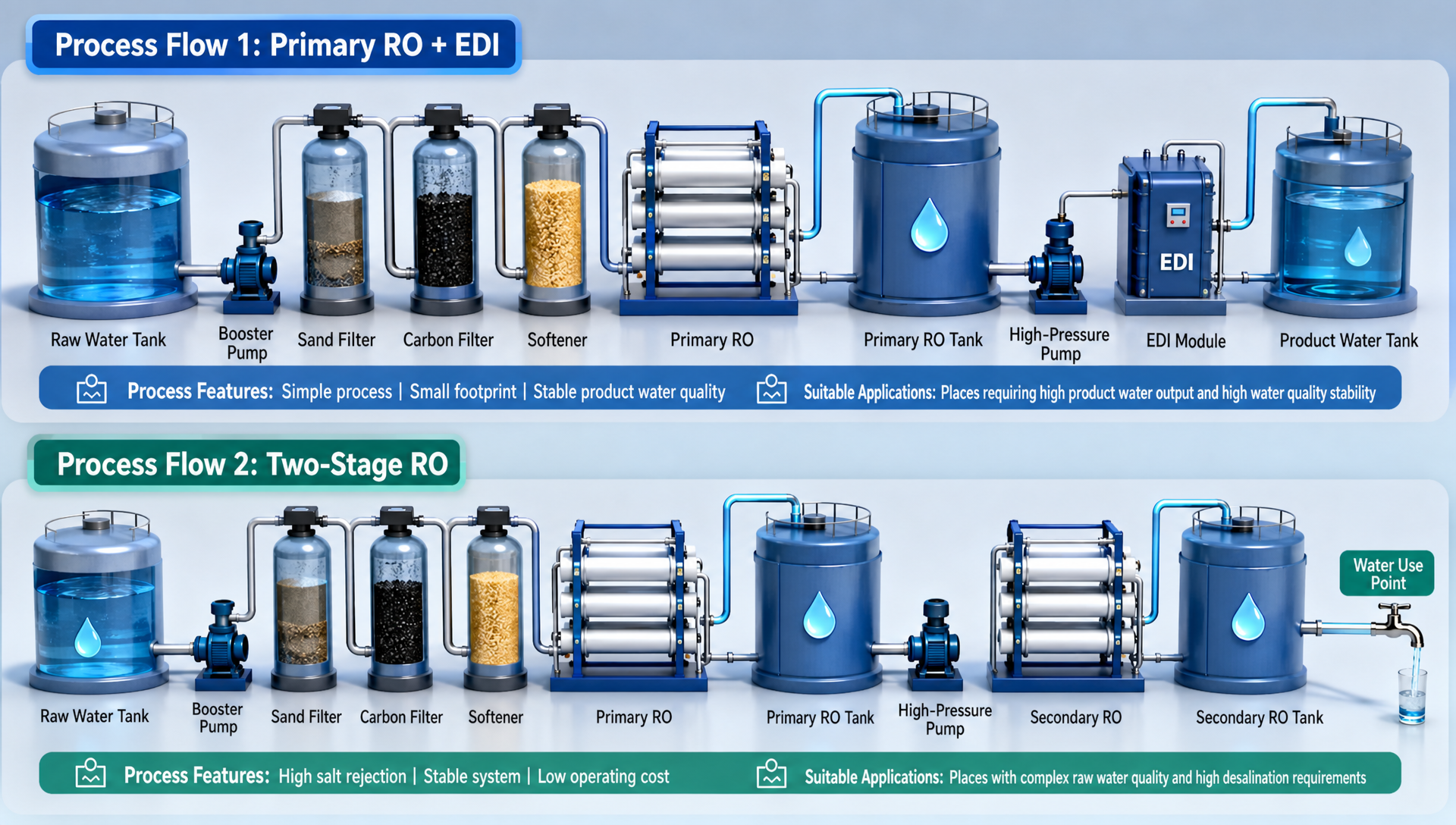
The equipment is mainly composed of five core units, which work together to ensure the high efficiency and stability of pure water preparation. The preprocessing unit includes a multi-media filter, an activated carbon filter, and a precision filter. The multi-media filter is filled with quartz sand and anthracite, which can remove suspended solids, sediment, and other impurities with a particle size of ≥ 50 μ m in the raw water, resulting in a effluent turbidity of ≤ 5NTU; Activated carbon filters utilize the adsorption capacity of coconut shell activated carbon to adsorb residual chlorine, organic matter, and unusual odors in water, reducing COD (chemical oxygen demand) to ≤ 10mg/L; The precision filter uses a 5 μ m pore size filter element to further remove fine particles and provide pre protection for the reverse osmosis membrane. The reverse osmosis unit is the core processing part, consisting of a high-pressure pump and reverse osmosis membrane components. The high-pressure pump provides the required operating pressure (6-10 bar) for the membrane components, allowing the raw water to pass through the reverse osmosis membrane under pressure. The membrane components separate water molecules from impurities through the principle of selective osmosis, achieving efficient desalination. The cleaning unit is equipped with a cleaning water tank, cleaning pump, and security filter. When there is contamination on the membrane surface, the chemical cleaning program can be automatically or manually initiated to use specialized cleaning agents to remove pollutants from the membrane surface, restore membrane performance, and extend membrane service life. The control system unit collects real-time operating data through sensors, processes it through PLC, and controls the operating status of each valve and pump to achieve automated operation and parameter adjustment of the equipment, ensuring that the equipment operates under optimal conditions. The rack unit is made of high-strength 304 stainless steel material, and the components are arranged and fixed reasonably to ensure compact equipment structure, stable operation, and easy maintenance and repair.