
摘要:
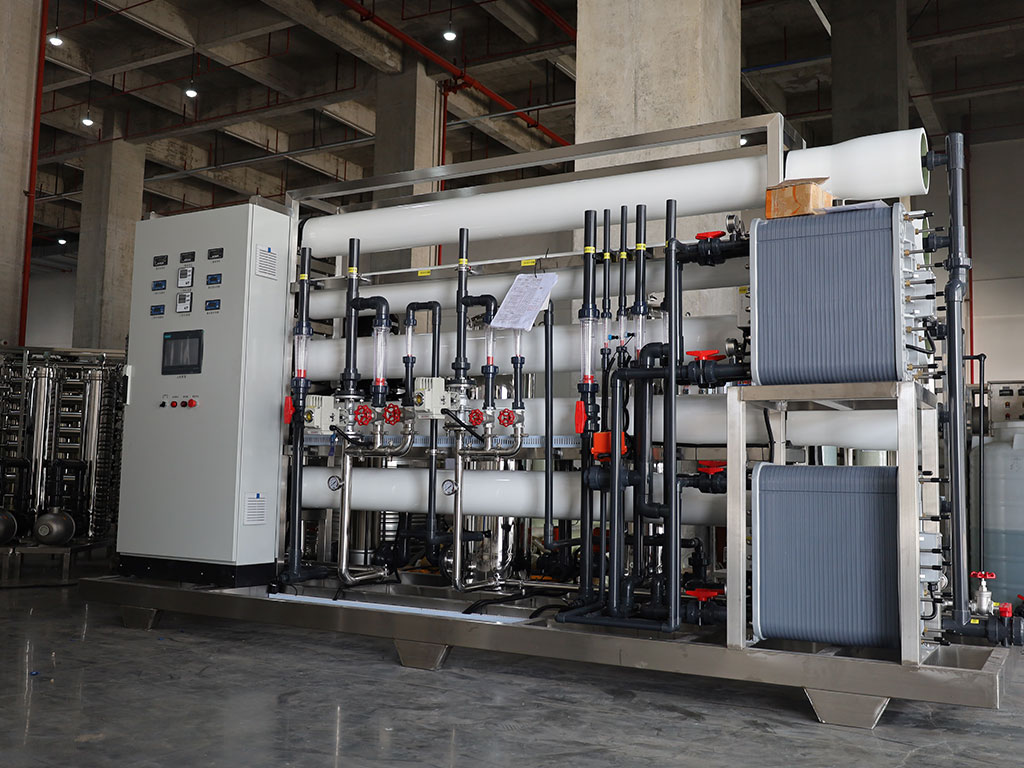
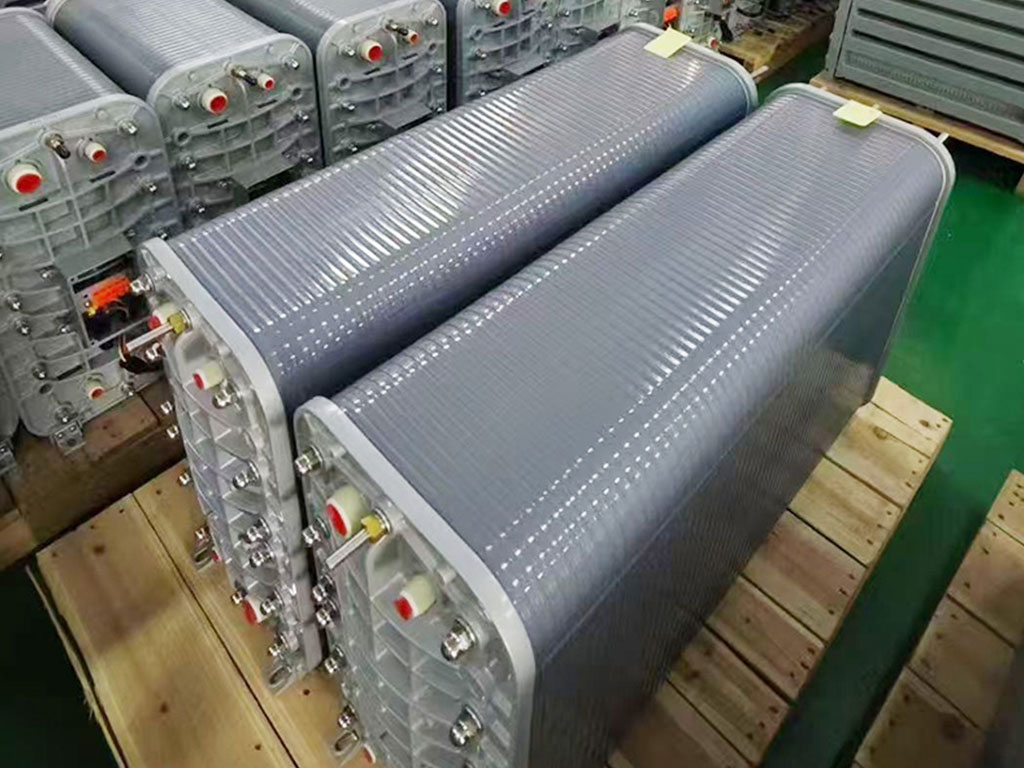
The double membrane water treatment process is a new water treatment process proposed based on advanced membrane technology, which can reuse most industrial wastewater. It combines different membrane processes organically to achieve reasonable deep treatment of wastewater, making it meet high water quality standards. It is reused in the boiler feedwater system and circulating water replenishment, transforming the traditional meaning of "wastewater treatment" into "wastewater reuse" and realizing the true meaning of wastewater reuse.
Introduction to Double Membrane Method
The double membrane water treatment process is a new water treatment process proposed based on advanced membrane technology, which can reuse most industrial wastewater. It combines different membrane processes organically to achieve reasonable deep treatment of wastewater, making it meet high water quality standards. It is reused in the boiler feedwater system and circulating water replenishment, transforming the traditional meaning of "wastewater treatment" into "wastewater reuse" and realizing the true meaning of wastewater reuse.
Proposal and Analysis of Difficulties in Double Membrane Process
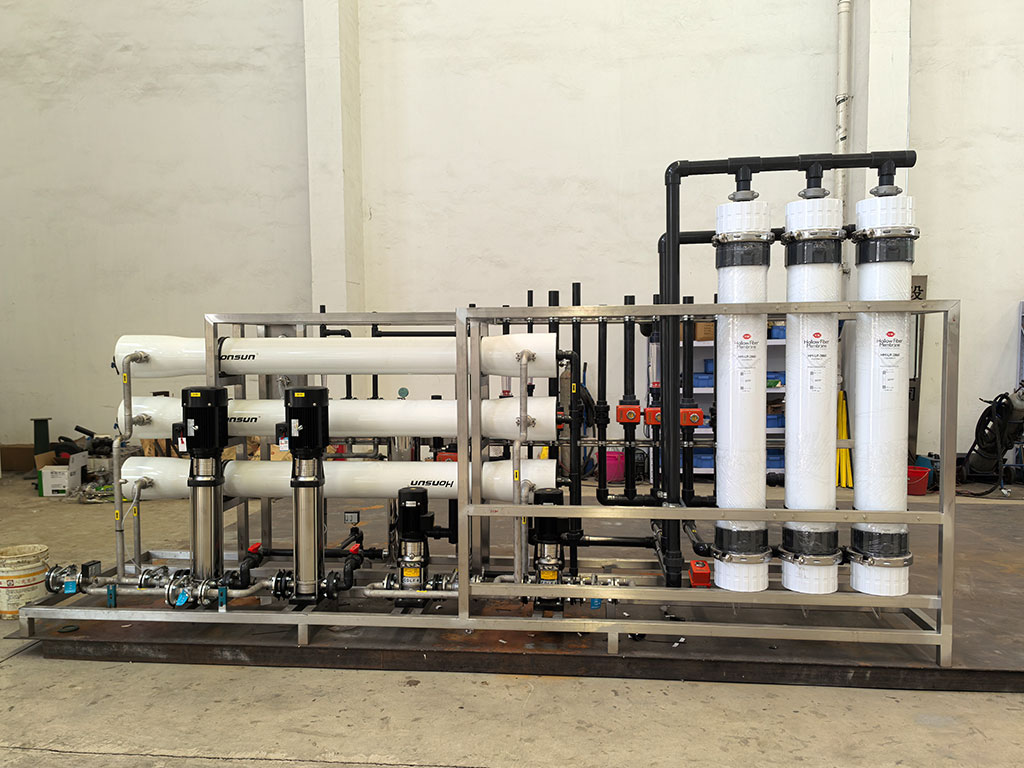
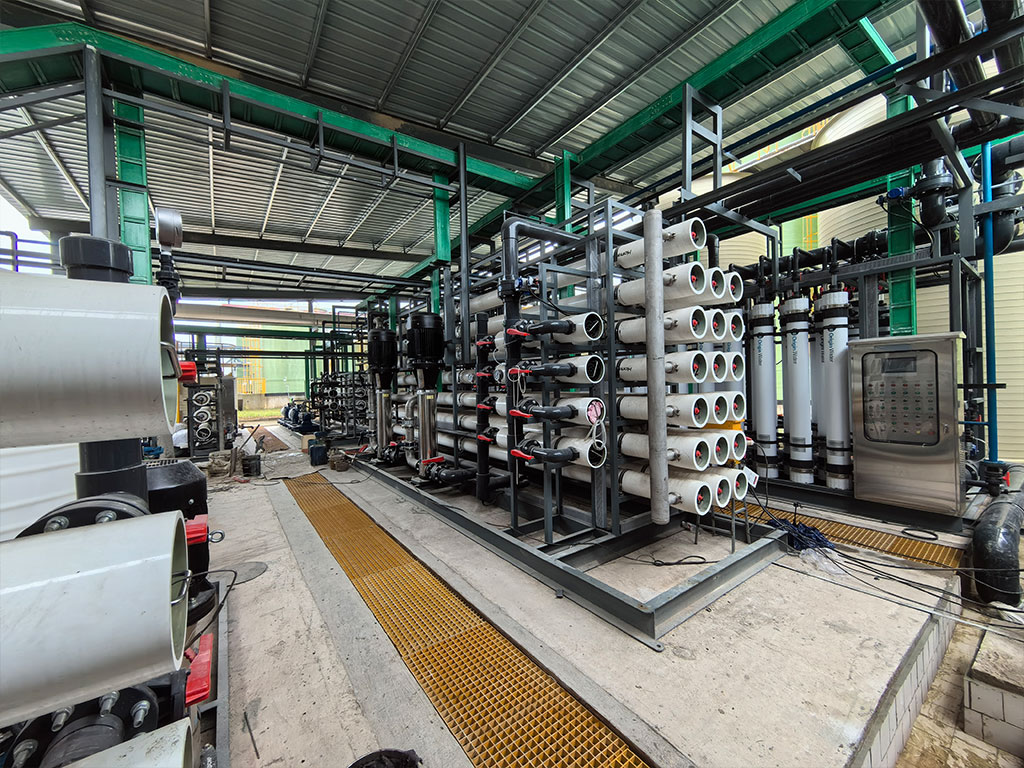
Smelting enterprise wastewater is a typical scaling and corrosive industrial wastewater, containing a large amount of heavy metal ions such as lead, zinc, and copper. Conventional treatment processes cannot meet the requirements of the "Lead and Zinc Industrial Pollutant Discharge Standards" and the "Design Specification for Industrial Circulating Cooling Water Treatment" for recycled water quality standards. Therefore, in order to meet the increasingly strict environmental requirements, comply with the admission conditions of the lead and zinc industry, and achieve the goal of zero wastewater discharge as much as possible, the ultrafiltration (UF) - reverse osmosis (RO) dual membrane process can be adopted.
The difficulty of using the dual membrane method for the reuse treatment of such wastewater lies in the high hardness of the raw water, which is not conducive to the long-term stable operation of the membrane system. In addition, the concentration of pollutants in the reverse osmosis concentrated water must meet the relevant regulations of pollutant discharge standards. Therefore, the focus of process design is to reduce the hardness of the water and the concentration of heavy metals.
Pre treatment process
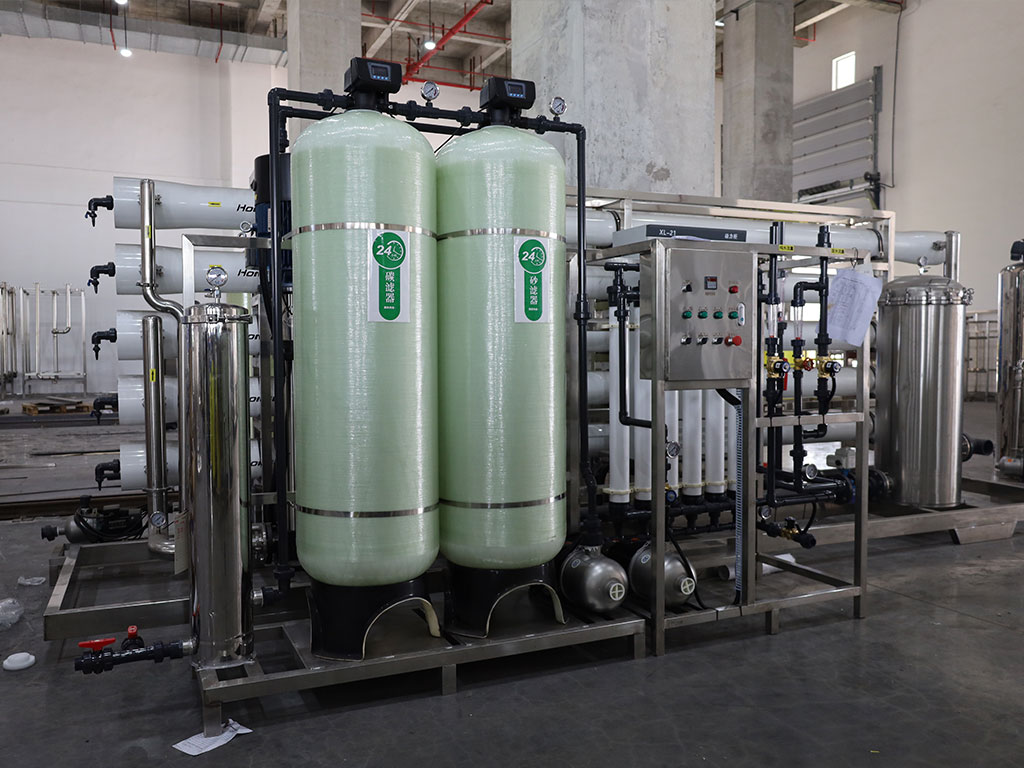
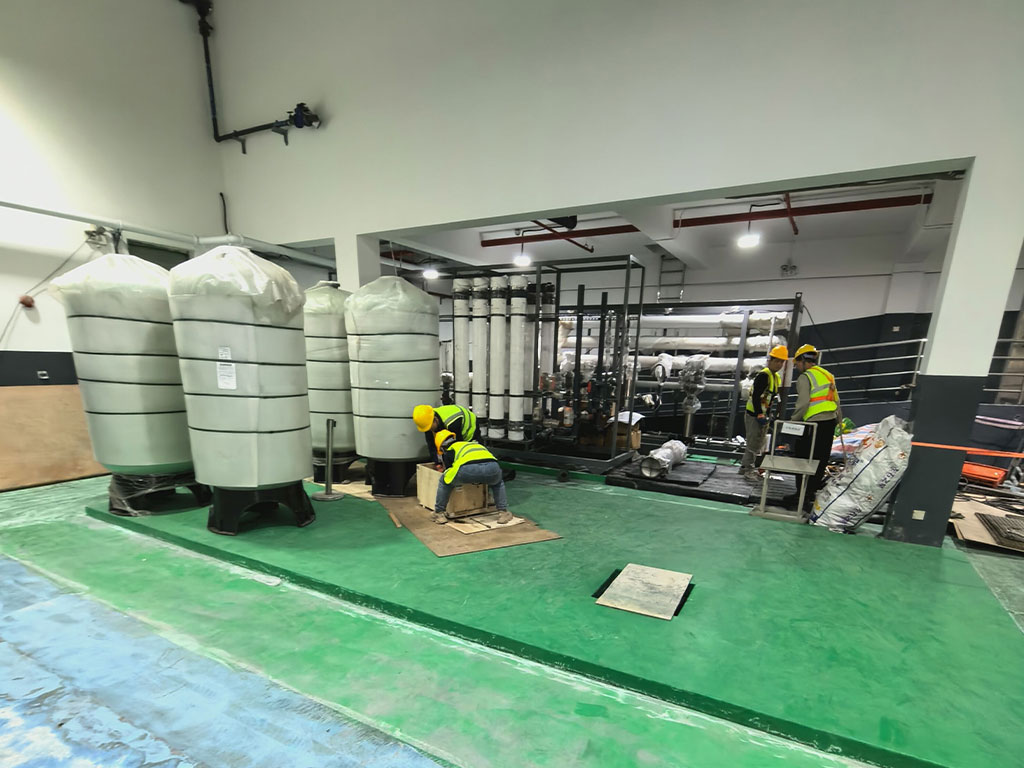
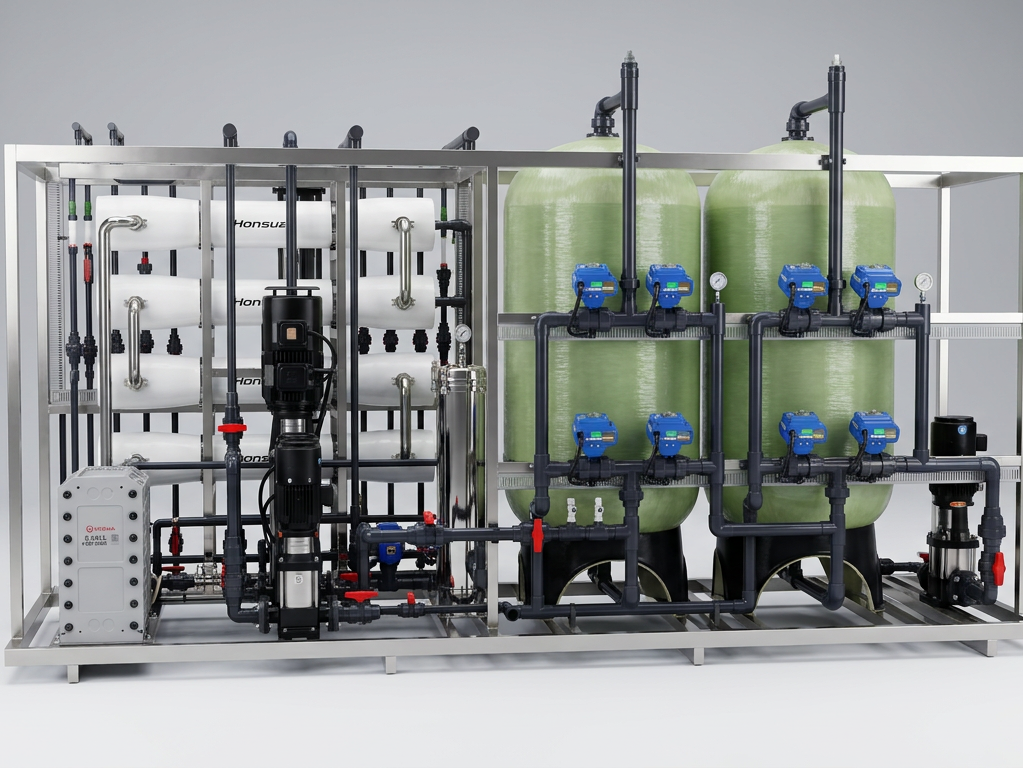
The pretreatment process of multi-media filters can remove most of the suspended solids, colloids, chromaticity, turbidity, and some organic matter in residual water, effectively protecting the long-term stable operation of the "UF+RO" dual membrane system. Two processes, micro flocculation reaction and powder activated carbon adsorption, were set up in the pretreatment process.
Micro flocculation filtration can quickly mix coagulants with raw water through a pipeline mixer to form small micro flocs (1-50 μ m) in the water. In addition, a laminated filter with a filtration accuracy of 100 μ m is also installed in front of the ultrafiltration device as a security filter to effectively prevent larger flocs from entering the ultrafiltration system, thereby avoiding membrane clogging.
Powdered activated carbon can adsorb and treat oil and organic matter in water, ensuring the safety of ultrafiltration equipment and improving the effluent quality of ultrafiltration equipment. The amount of powdered activated carbon added is determined by the actual oil and organic content of the discharged wastewater during debugging. The added activated carbon is cleaned and removed by a laminated self-cleaning filter.
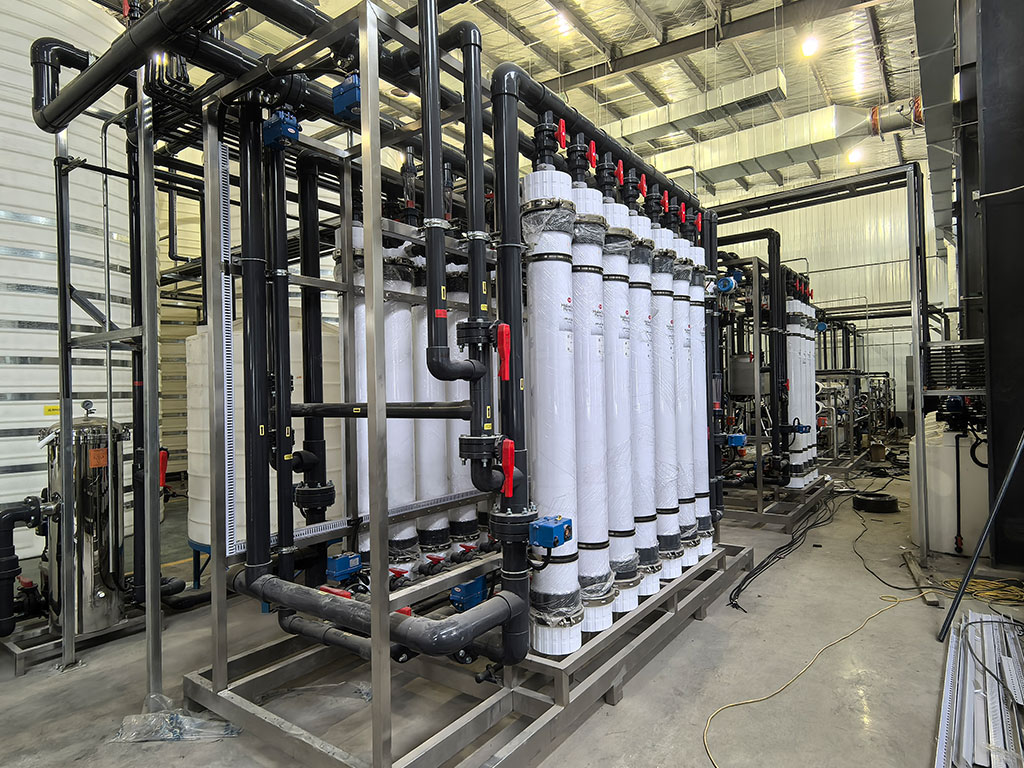
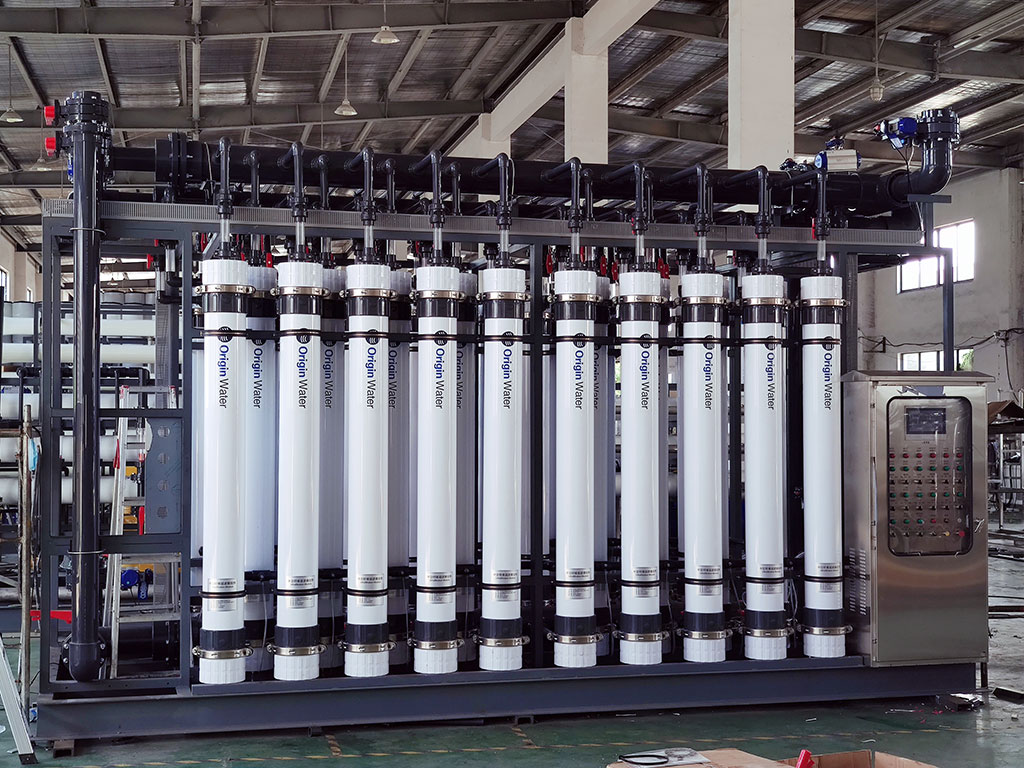
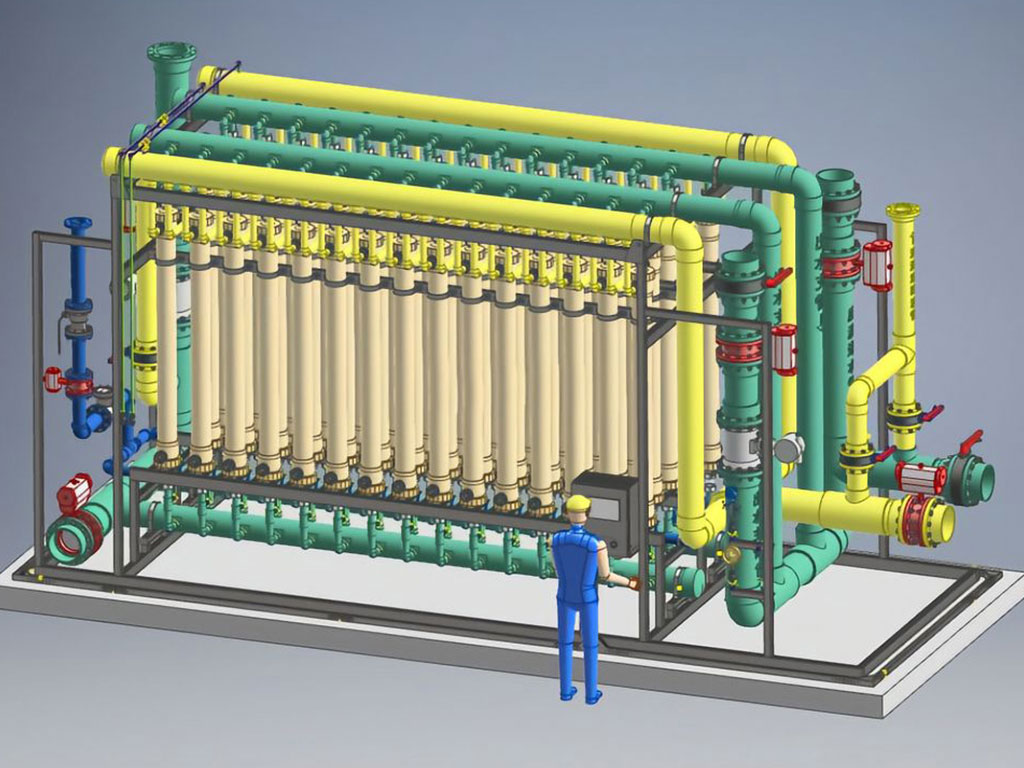
2 ultrafiltration system
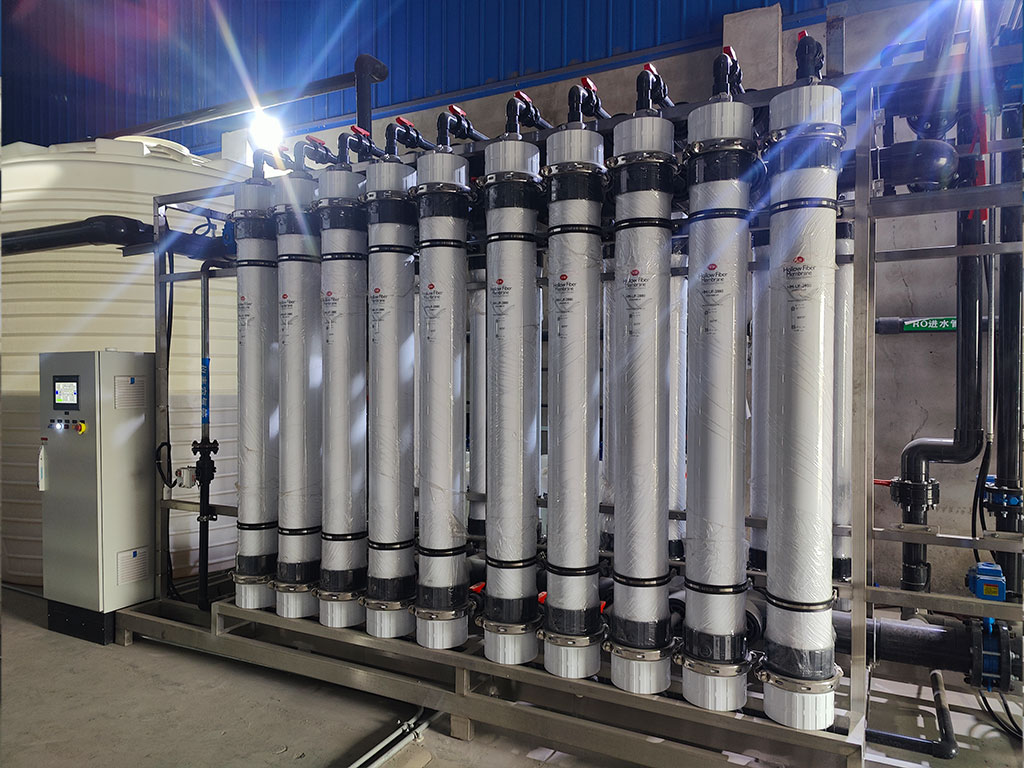
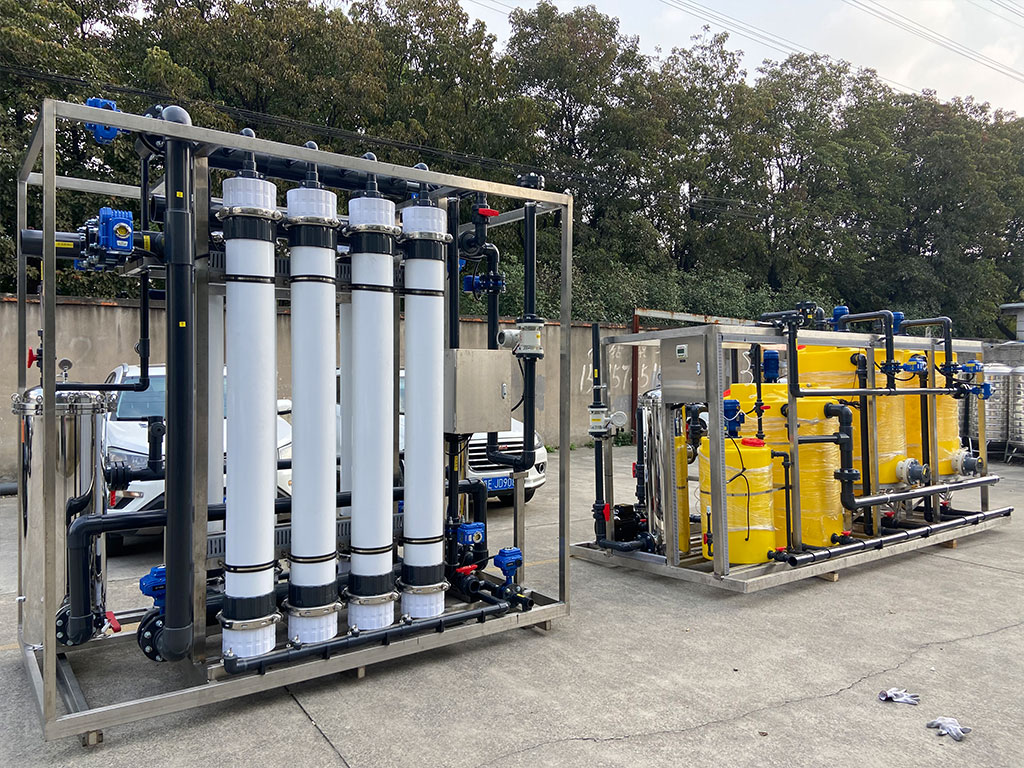
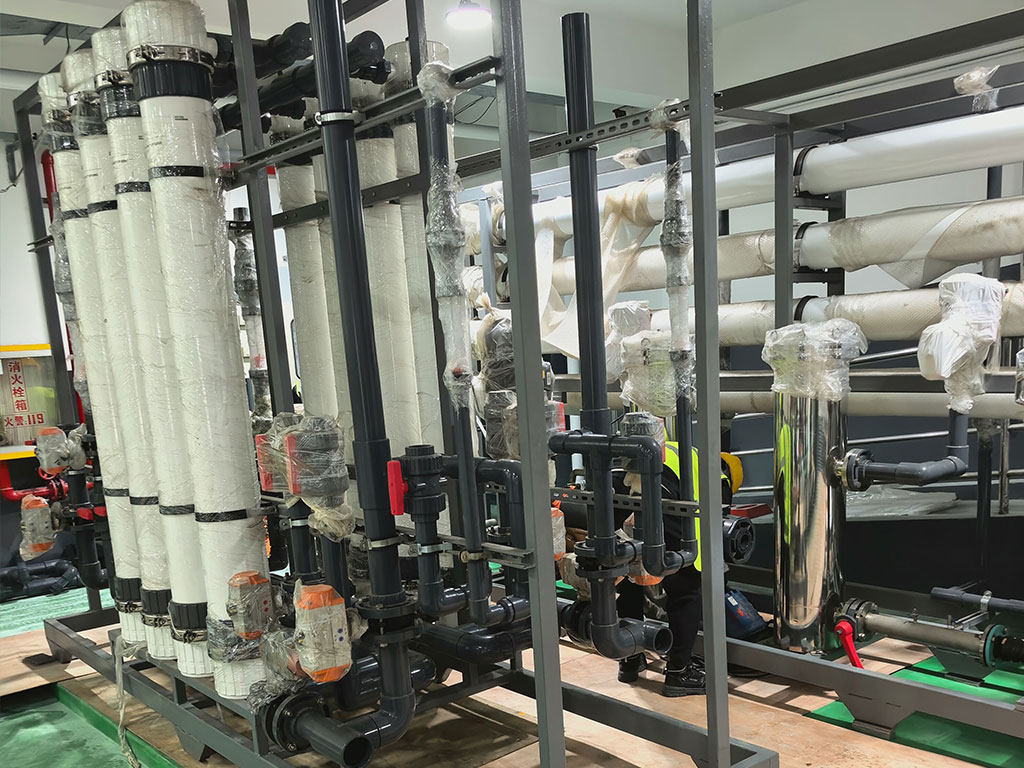
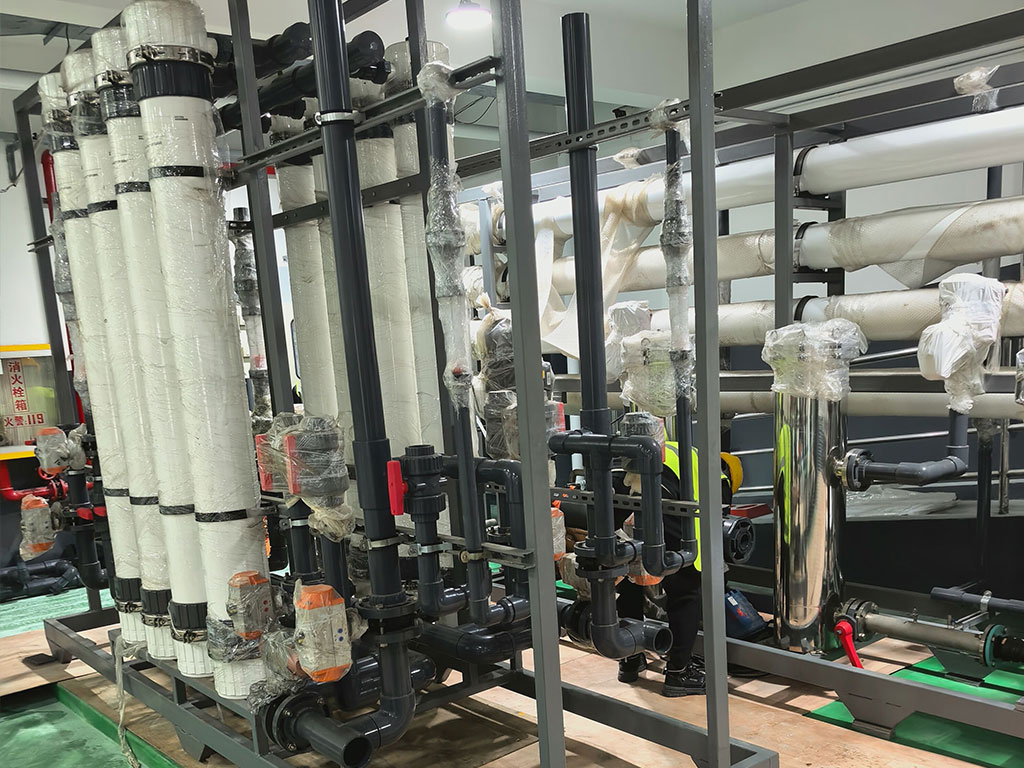
The main purpose of reverse osmosis is to remove impurities such as fine suspended solids, colloidal particles, and bacteria from wastewater. Its removal effect is stable and can completely remove insoluble substances, resulting in an SDI of less than 3 and turbidity of less than 0.1 NTU in the produced water. This can reduce the risk of particle pollution in the reverse osmosis device and increase the design water flux of reverse osmosis appropriately.
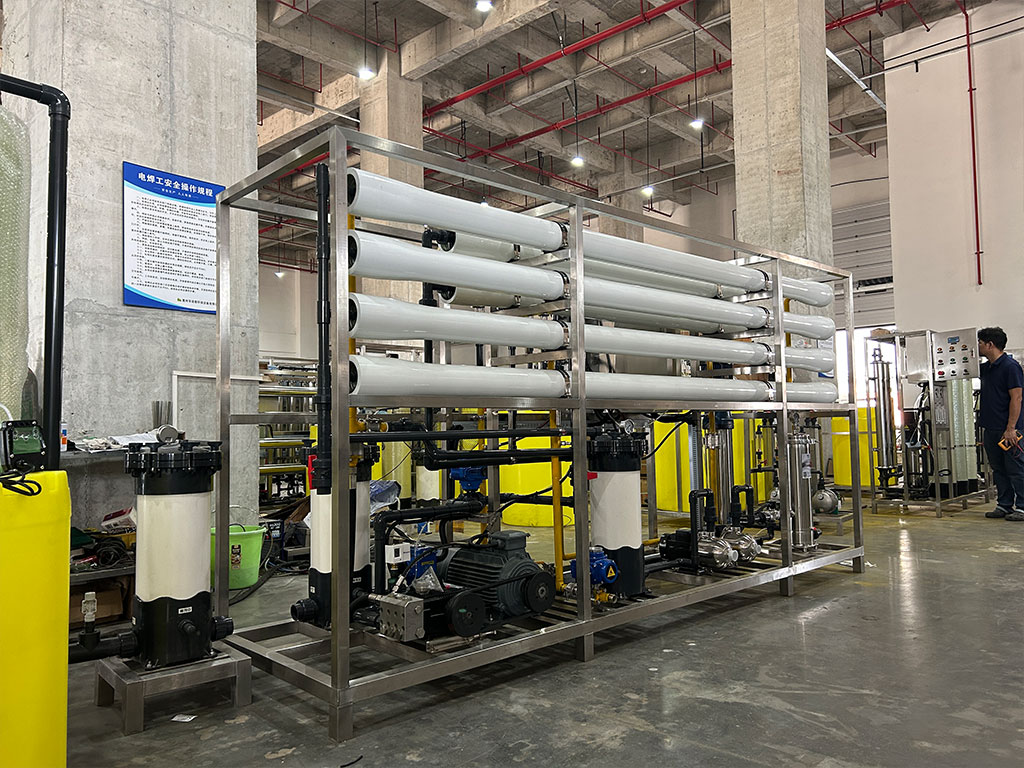
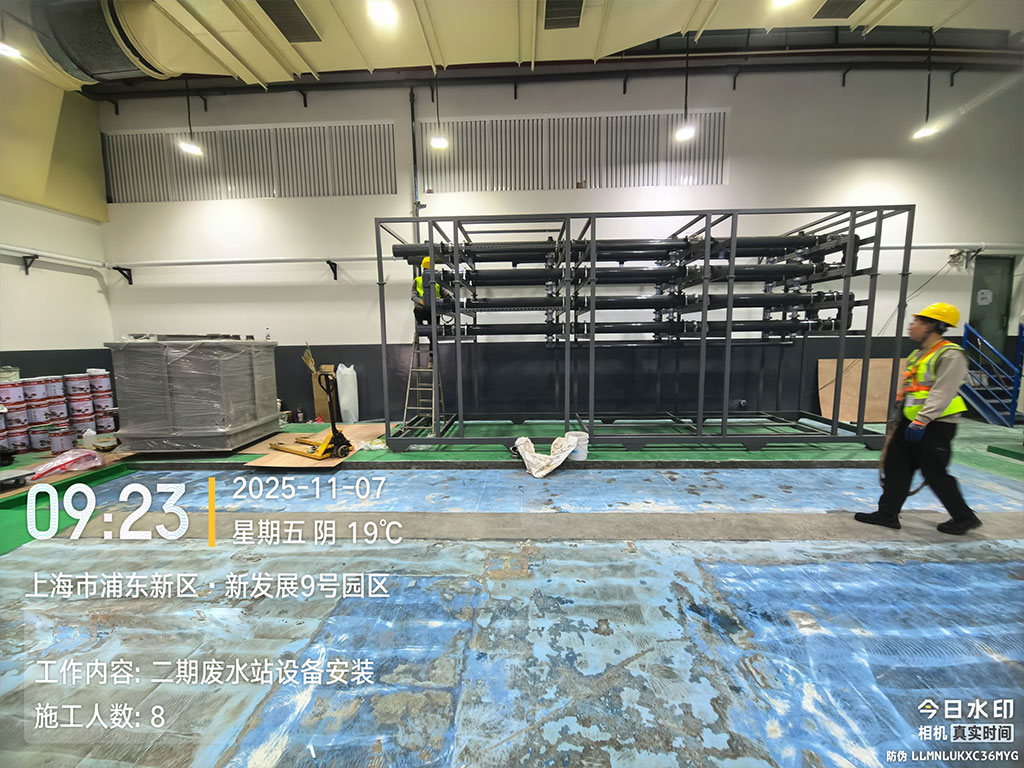
The ultrafiltration water supply pump adopts frequency conversion control, and a 150 μ m self-cleaning filter is installed at the outlet of the pump to avoid large particles blocking the ultrafiltration membrane. Each ultrafiltration inlet valve is a pneumatic control valve to ensure a constant flow of water supply. During operation, adjust the frequency of the ultrafiltration water supply pump motor appropriately according to the opening of the inlet valve. Its operation mode is cross flow filtration, where water flows along the membrane wall to wash away impurities covering the membrane surface, limiting the accumulation of impurities and maintaining a stable water permeation flow rate.
After a certain period of operation, the ultrafiltration device will accumulate a small amount of dirt on the membrane surface. In order to maintain the flux of the membrane components, a timed backwash method is used to remove membrane surface pollutants. The backwash water is filtered by ultrafiltration. Generally, the ultrafiltration backwash cycle is once every 30 minutes, with each backwash lasting about 60 seconds. At the same time, flux maintenance measures are taken once every 1-2 days, and the cleaning time is 1 hour. This can effectively control membrane fouling, extend the chemical cleaning cycle, and is of great significance for the stable operation of the membrane.
2.3 Reverse osmosis system
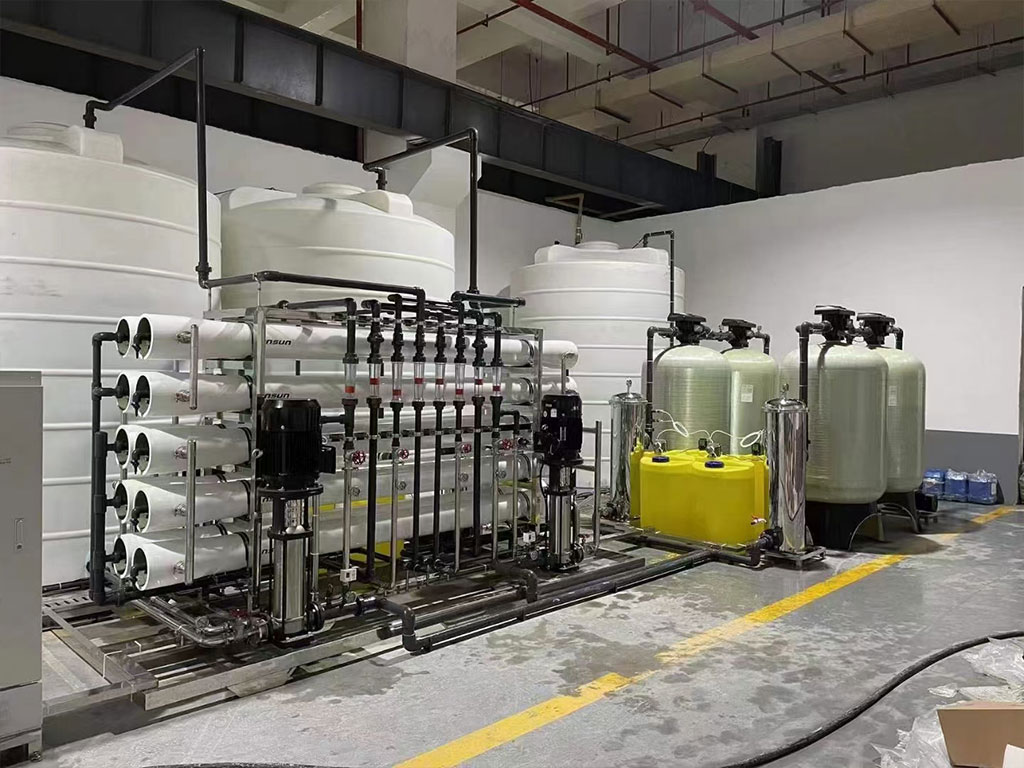
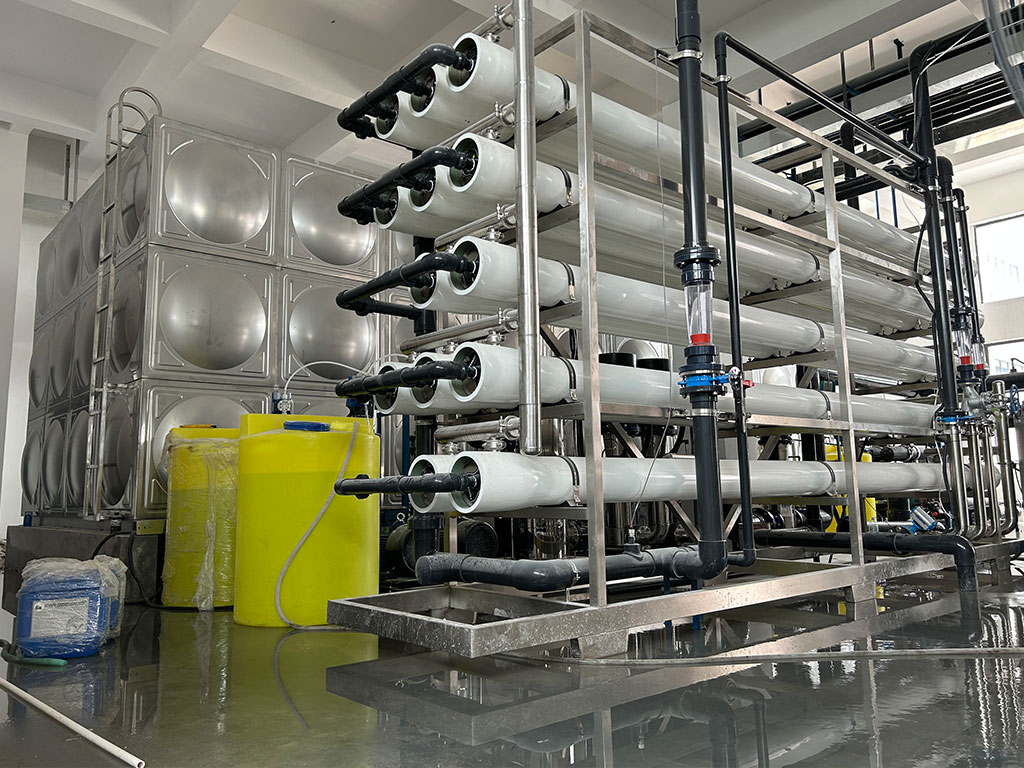
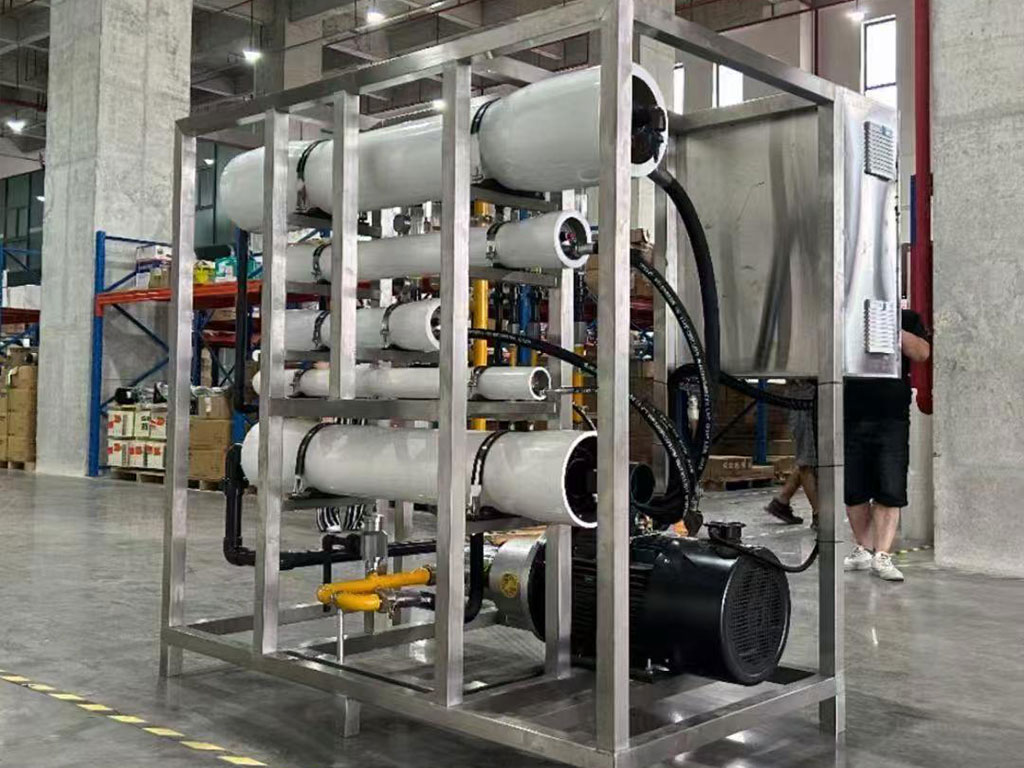
The principle of reverse osmosis water treatment technology is to separate solutes and solvents in a solution under pressure higher than the osmotic pressure of the solution, using the selective retention effect of a semi permeable membrane that only allows water to pass through and does not allow other substances to pass through. By utilizing the separation characteristics of reverse osmosis membranes, not only can heavy metals such as lead, zinc, copper, nickel, cadmium, and chromium be removed from water, but also impurities such as dissolved salts, colloids, organic matter, bacteria, and microorganisms can be effectively removed. It has the advantages of low energy consumption, no pollution, advanced technology, and easy operation and maintenance.
After a certain period of normal operation, the reverse osmosis membrane will be contaminated by colloids or very small amounts of dissolved substances in the influent. Chemical cleaning is an effective measure to restore membrane performance. The type of chemical cleaning agent depends on the characteristics of the pollutants. Usually, low pH cleaning solutions are used to remove mineral scale pollutants, while high pH cleaning solutions are used to remove pollutants such as oil, biological, and organic substances. Reverse osmosis cleaning adopts manual cleaning method, and the frequency of chemical cleaning depends on the pollution conditions in the influent. The cleaning frequency is generally once/60-90 days.
The wastewater discharged from the ultrafiltration device in the double membrane method is neutralized and then discharged into the sewage treatment plant for further treatment. Once it meets the standard, it can be discharged; The wastewater discharged from the reverse osmosis system meets the national Class II water discharge standards and can be directly discharged. Therefore, the double membrane process can effectively reduce the discharge of sewage and fundamentally protect the environment.
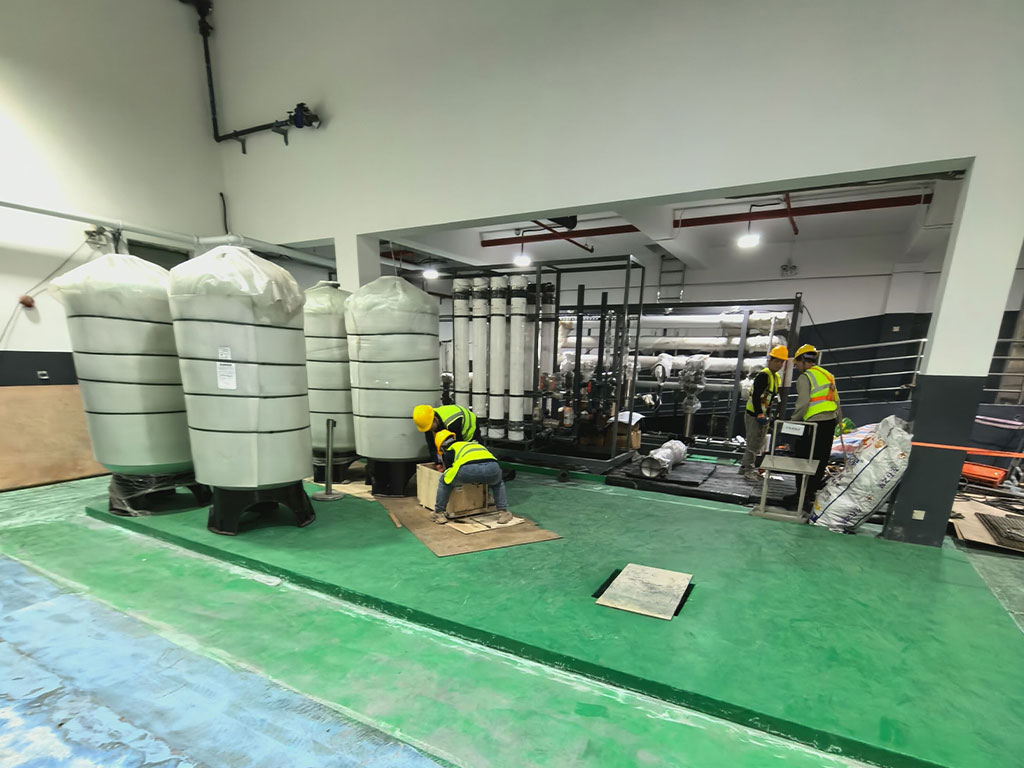
In summary, the dual membrane process with ultrafiltration and reverse osmosis as the main processes has shown good results in the treatment of wastewater and the reuse of reclaimed water in smelting enterprises. It not only reduces the discharge of wastewater and protects the environment, but also promotes a virtuous cycle of water resources, with significant economic benefits. With the development of science and technology as well as the smelting industry, it is believed that this process will be further improved, and more new processes will be researched and applied to industrial wastewater treatment.