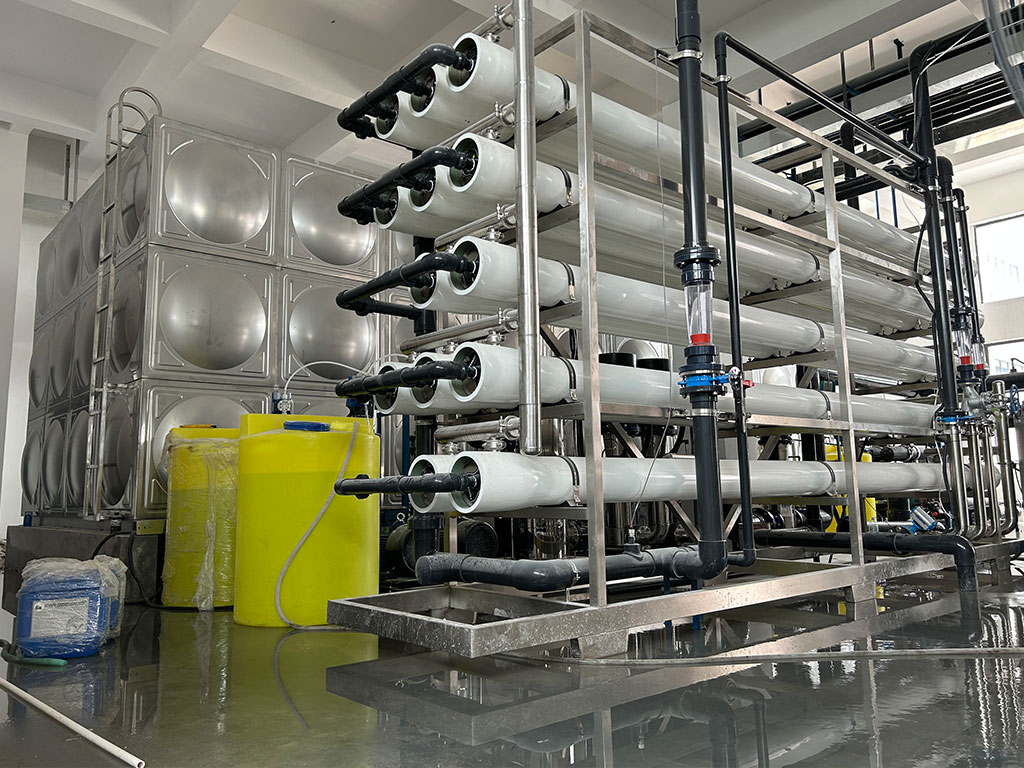
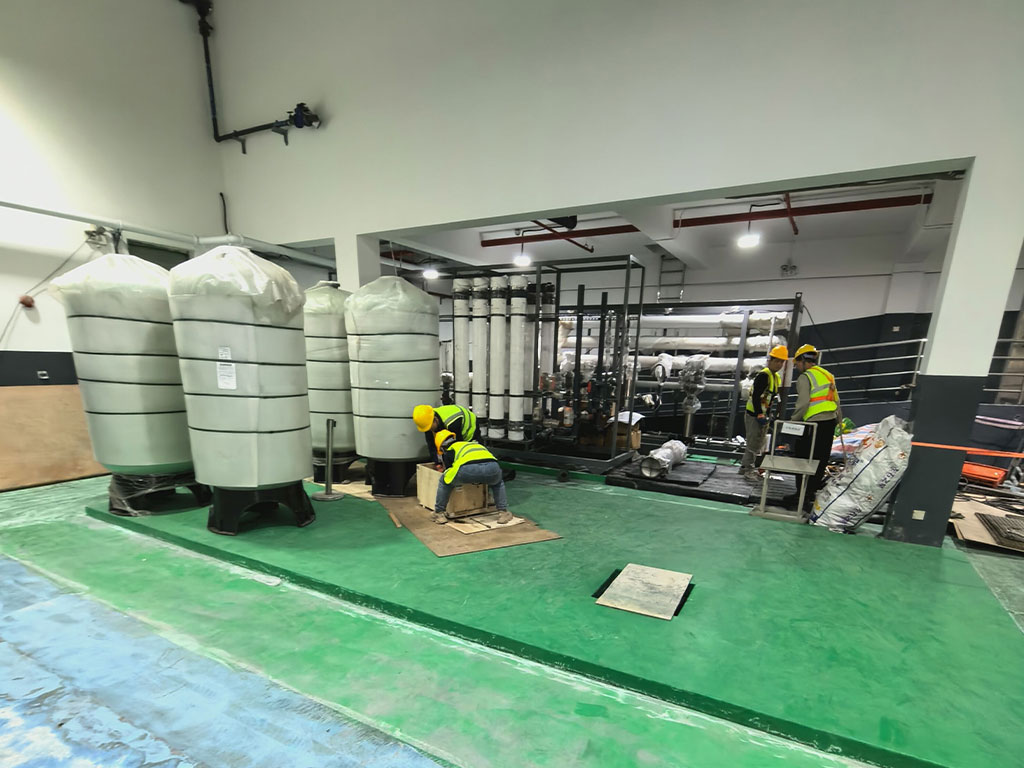
Ultrapure Water Preparation Solution for Lithium Energy Storage Battery Factories (Two-stage RO + EDI + Polishing Mixed Bed)
发布时间:2026-07-09 分类:chemical industry 浏览量:287
1. Project Overview
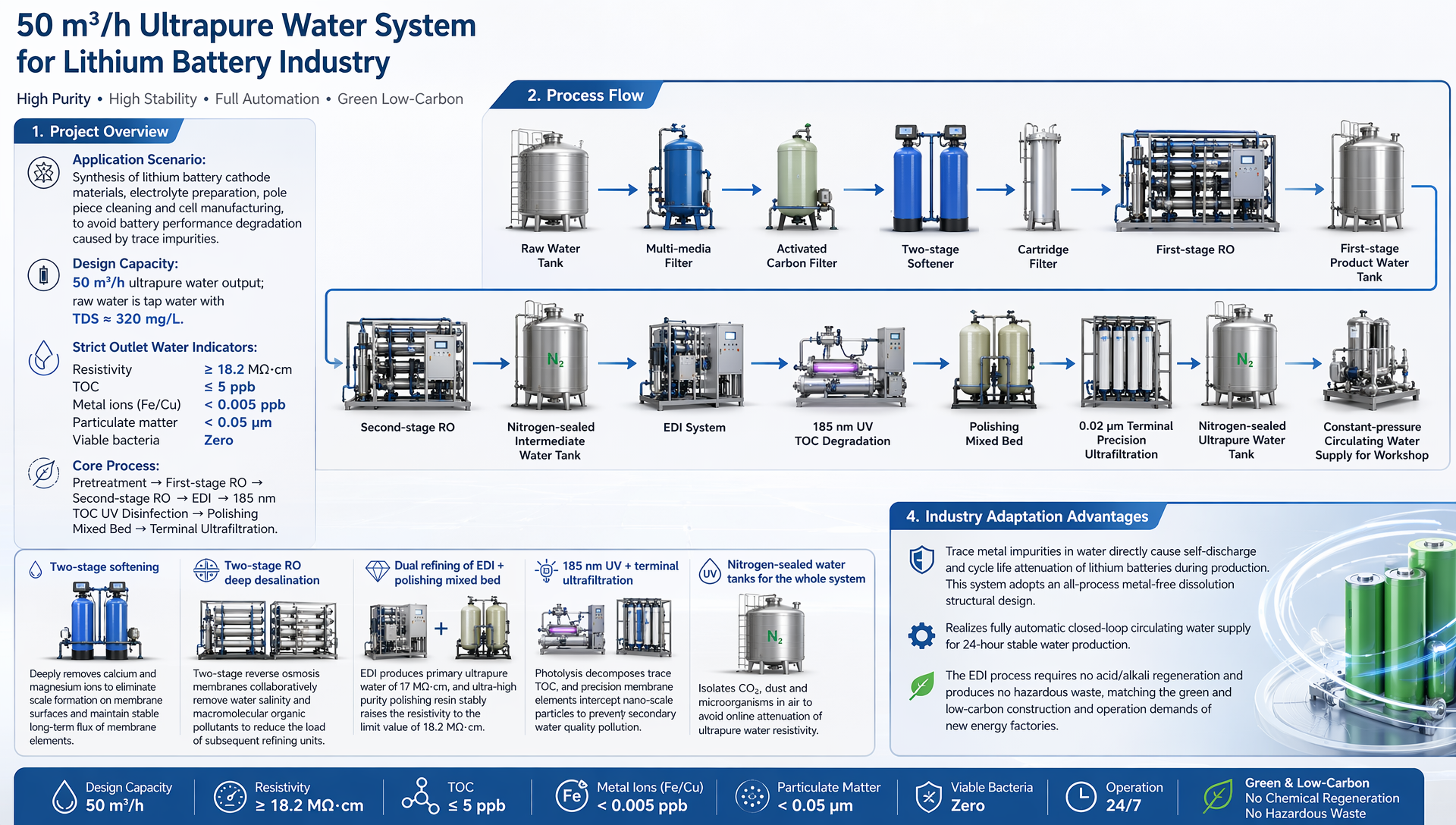
Application Scenario: Synthesis of lithium battery cathode materials, electrolyte preparation, pole piece cleaning and cell manufacturing, to avoid battery performance degradation caused by trace impurities.
Design Capacity: 50 m³/h ultrapure water output; raw water is tap water with TDS ≈ 320 mg/L.
Strict Outlet Water Indicators: Resistivity ≥ 18.2 MΩ·cm, TOC ≤ 5 ppb, metal ions Fe/Cu < 0.005 ppb, particulate matter < 0.05 μm, zero viable bacteria.
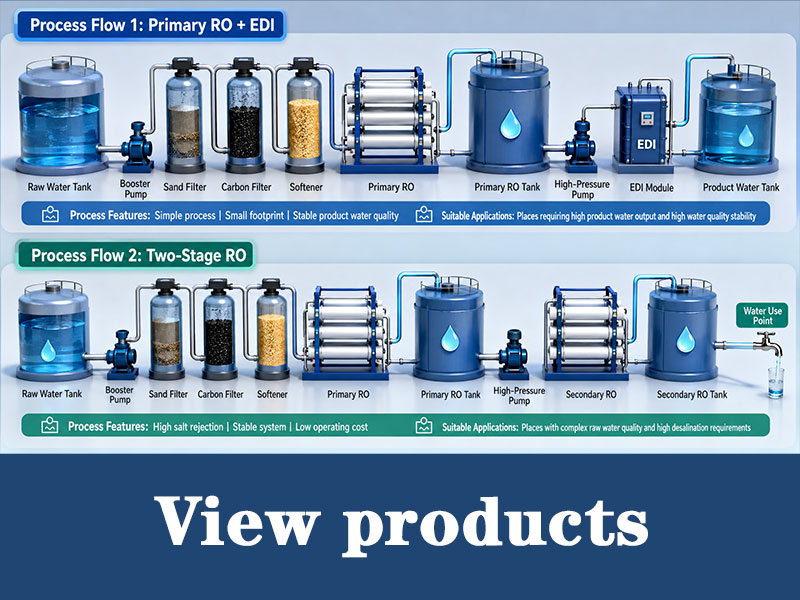
Core Process: Pretreatment→First-stage RO→Second-stage RO→EDI→185 nm TOC UV Disinfection→Polishing Mixed Bed→Terminal Ultrafiltration.
2. Process Flow
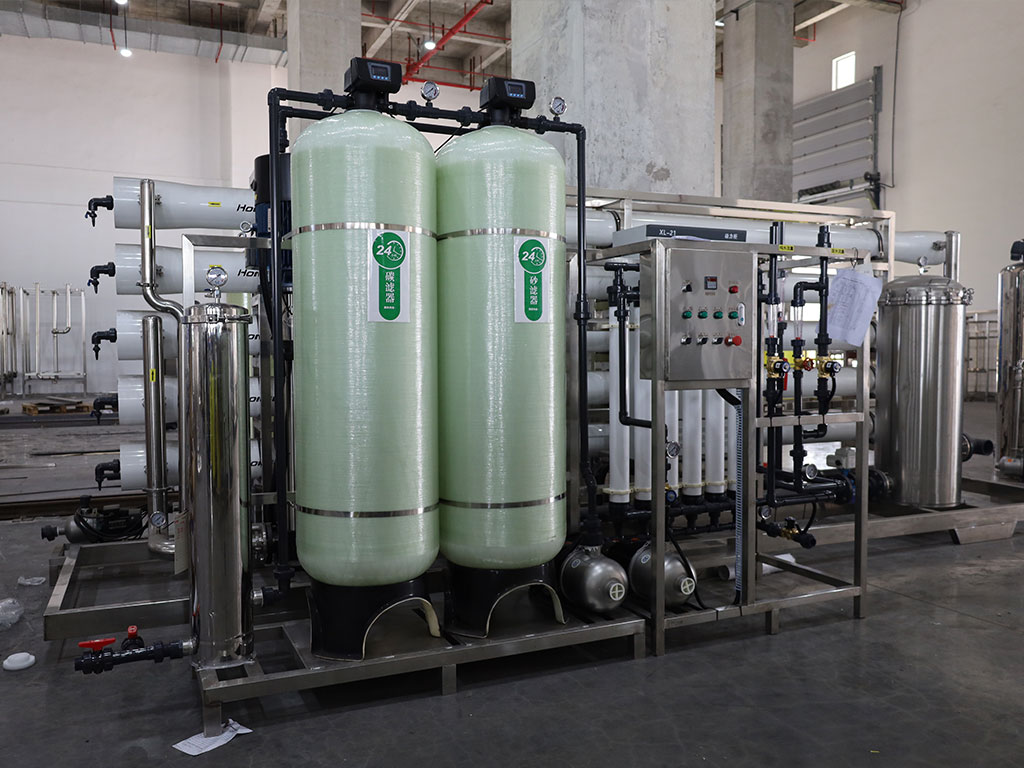
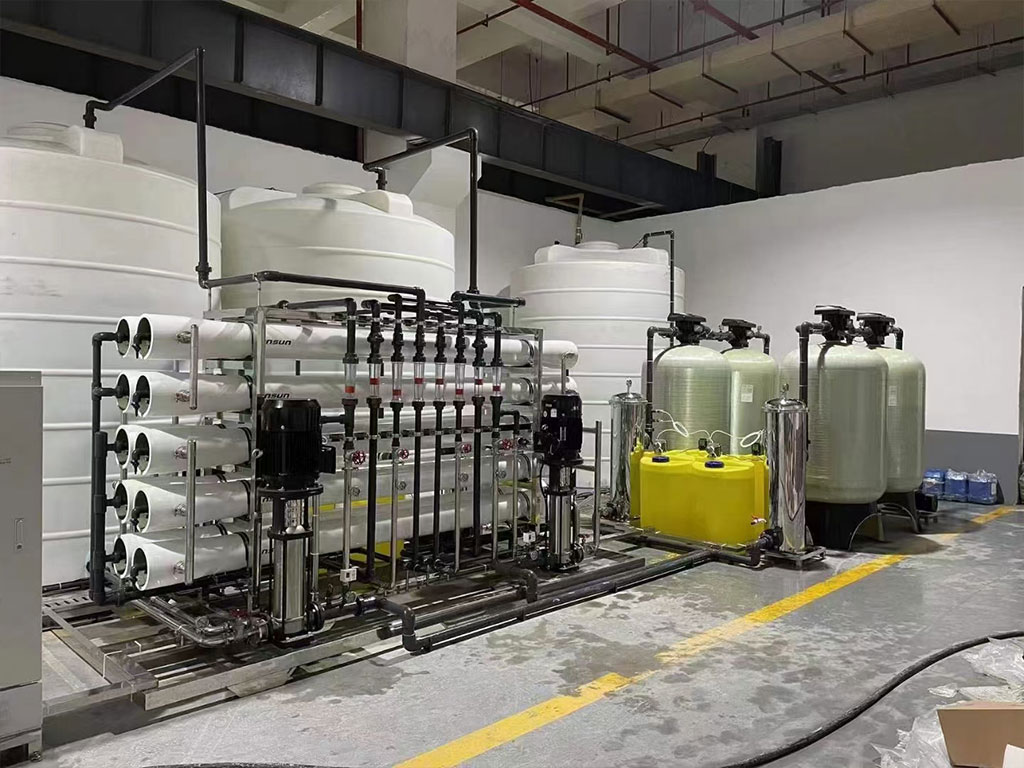
Raw Water Tank→Multi-media Filter→Activated Carbon Filter→Two-stage Softener→Cartridge Filter→First-stage RO→First-stage Product Water Tank→Second-stage RO→Nitrogen-sealed Intermediate Water Tank→EDI System→185 nm UV TOC Degradation→Polishing Mixed Bed→0.02 μm Terminal Precision Ultrafiltration→Nitrogen-sealed Ultrapure Water Tank→Constant-pressure Circulating Water Supply for Workshop
3. Highlights of Core Units
Two-stage softening: Deeply removes calcium and magnesium ions to eliminate scale formation on membrane surfaces and maintain stable long-term flux of membrane elements.
Two-stage RO deep desalination: Two-stage reverse osmosis membranes collaboratively remove water salinity and macromolecular organic pollutants to reduce the load of subsequent refining units.
Dual refining of EDI + polishing mixed bed: EDI produces primary ultrapure water of 17 MΩ·cm, and ultra-high purity polishing resin stably raises the resistivity to the limit value of 18.2 MΩ·cm.
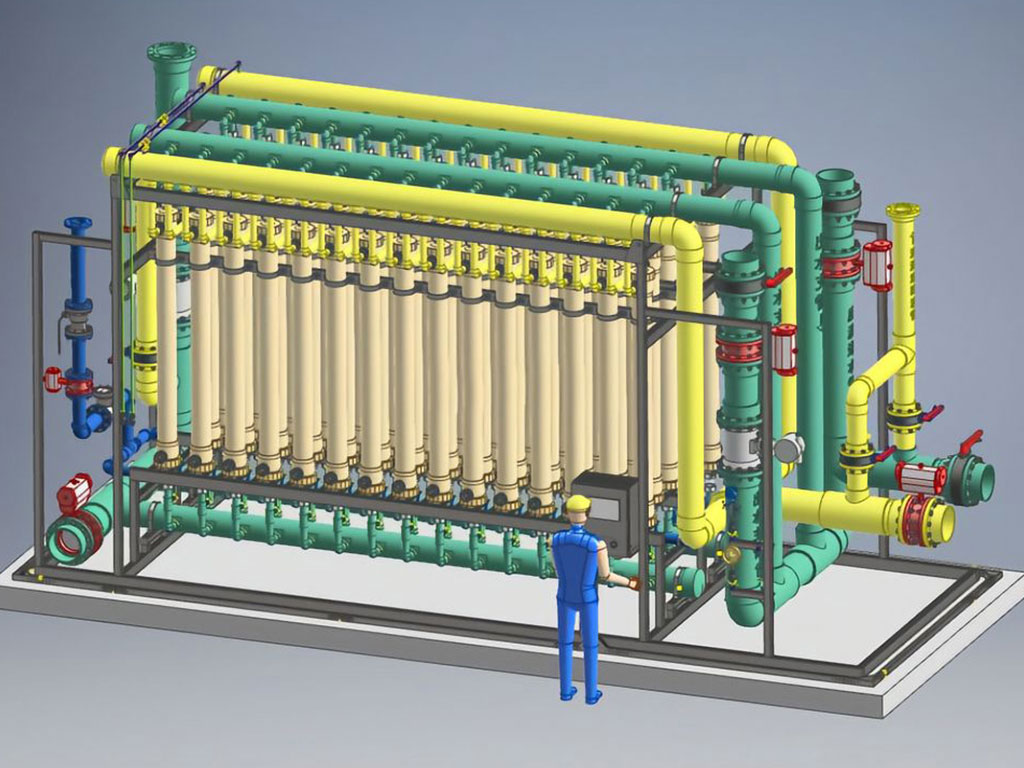
185 nm UV + terminal ultrafiltration: Photolysis decomposes trace TOC, and precision membrane elements intercept nano-scale particles to prevent secondary water quality pollution.
Nitrogen-sealed water tanks for the whole system: Isolates CO₂, dust and microorganisms in air to avoid online attenuation of ultrapure water resistivity.
4. Industry Adaptation Advantages
Trace metal impurities in water directly cause self-discharge and cycle life attenuation of lithium batteries during production. This system adopts an all-process metal-free dissolution structural design, realizes fully automatic closed-loop circulating water supply for 24-hour stable water production. The EDI process requires no acid/alkali regeneration and produces no hazardous waste, matching the green and low-carbon construction and operation demands of new energy factories.