Jiangsu Shuangfu Environmental Protection Equipment Co., Ltd



Integrated water treatment system solution providerOne-stop standardized water treatment equipment manufacturing enterprise
Consultation Hotline:+86 18559799562
Jiangsu Shuangfu Environmental Protection Equipment Co., Ltd

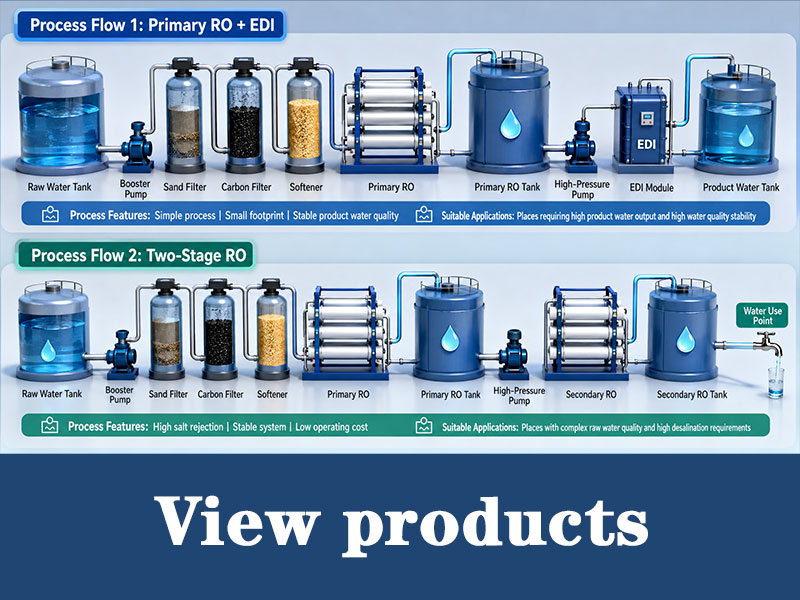
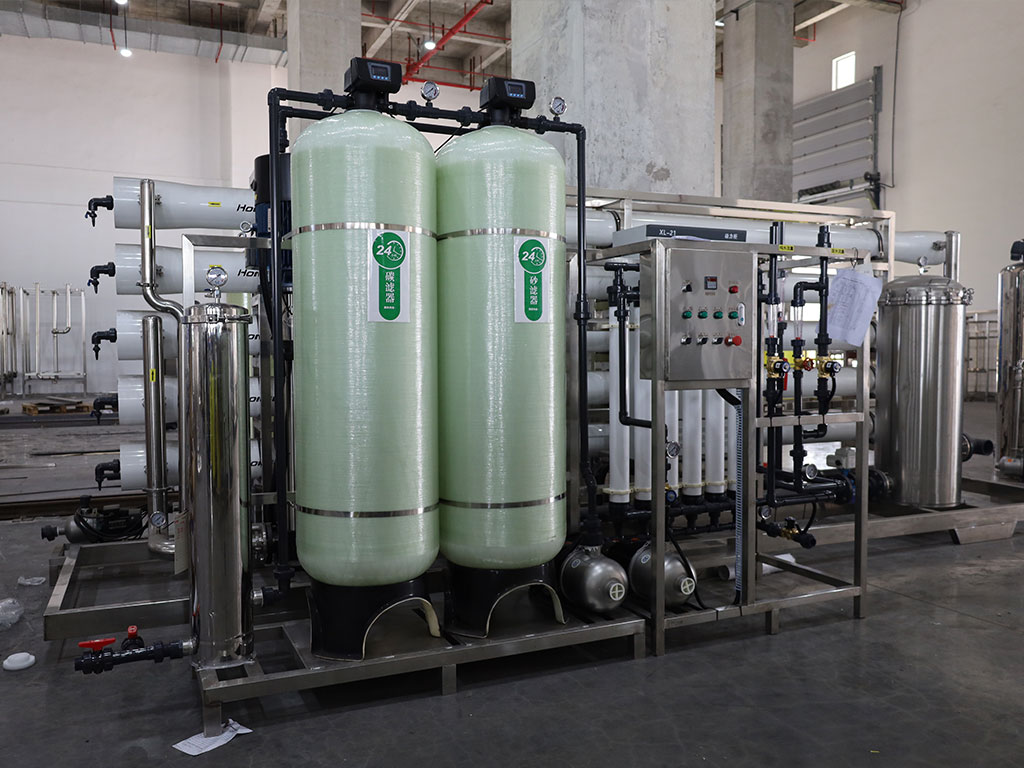
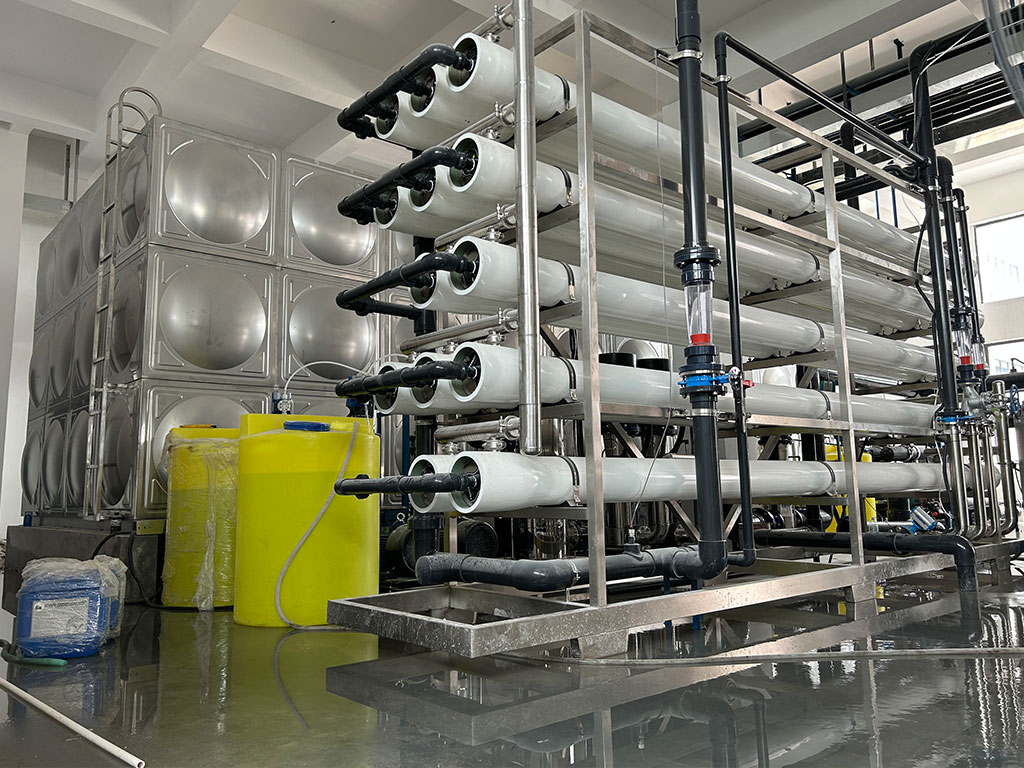
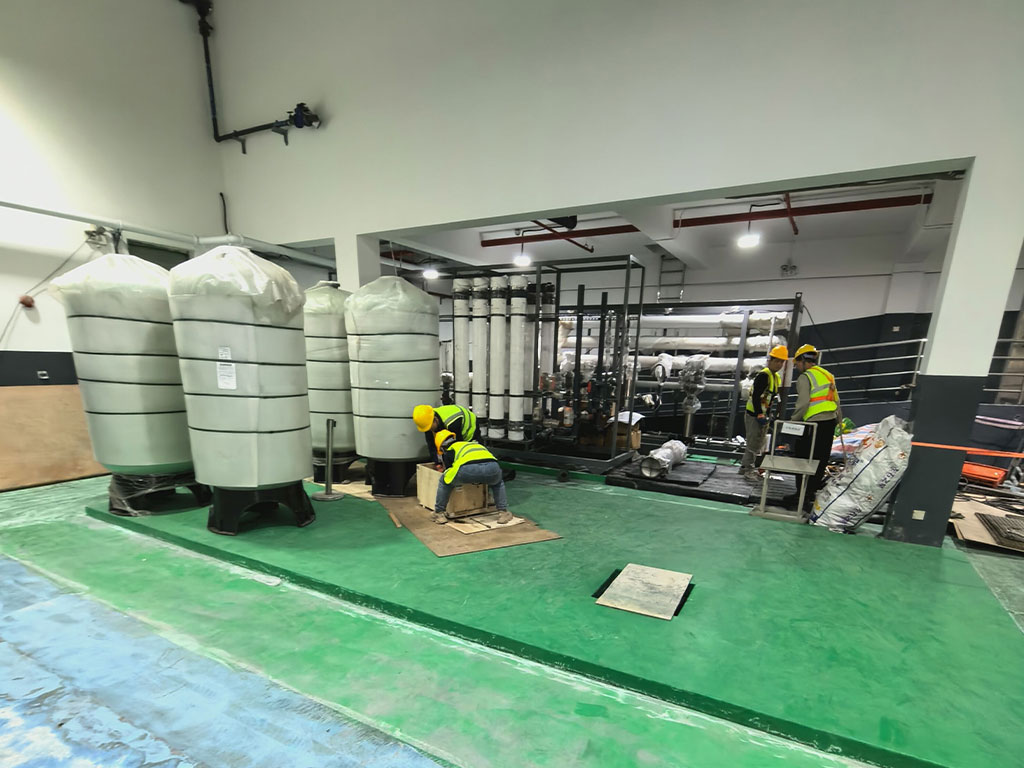
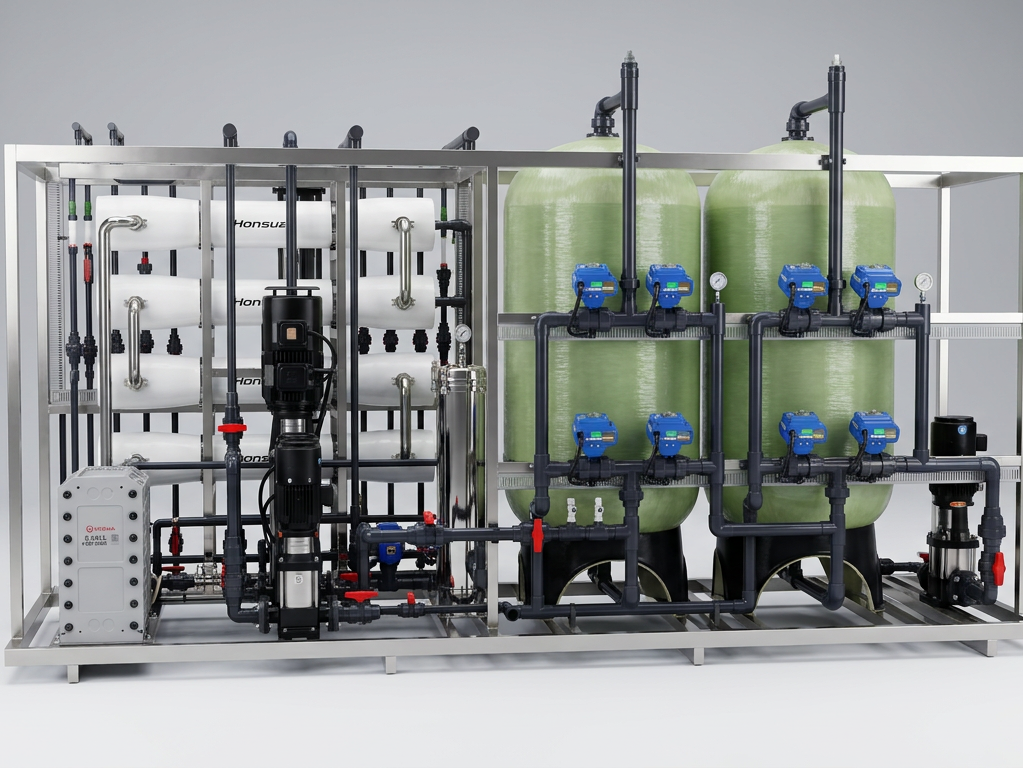
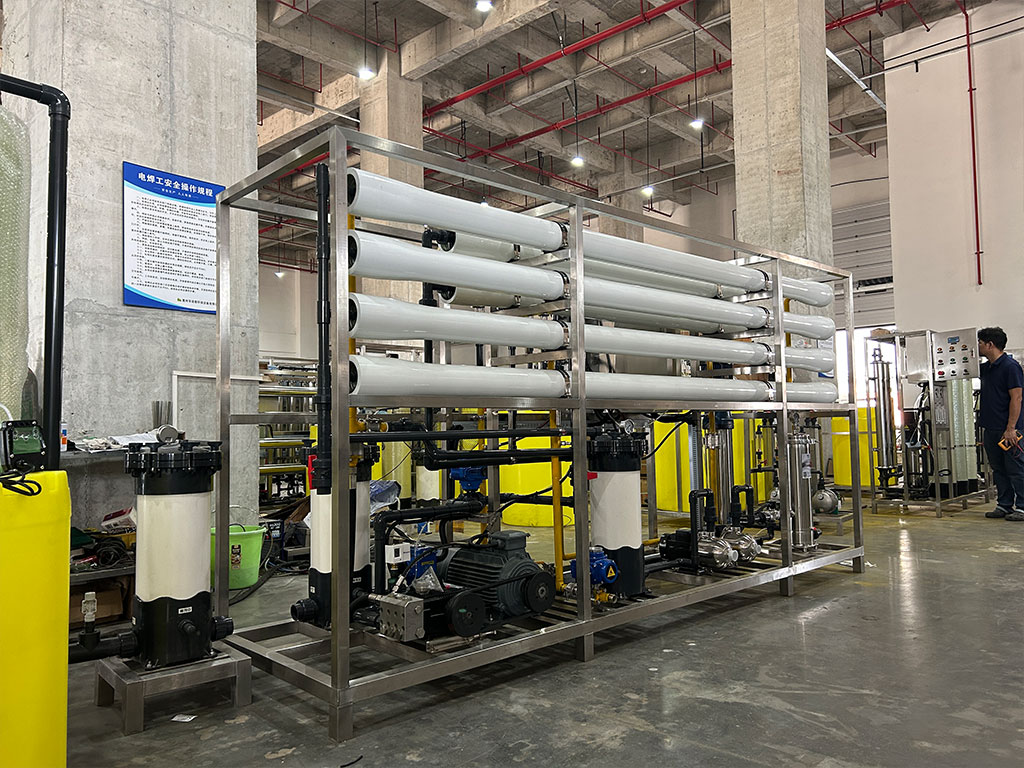
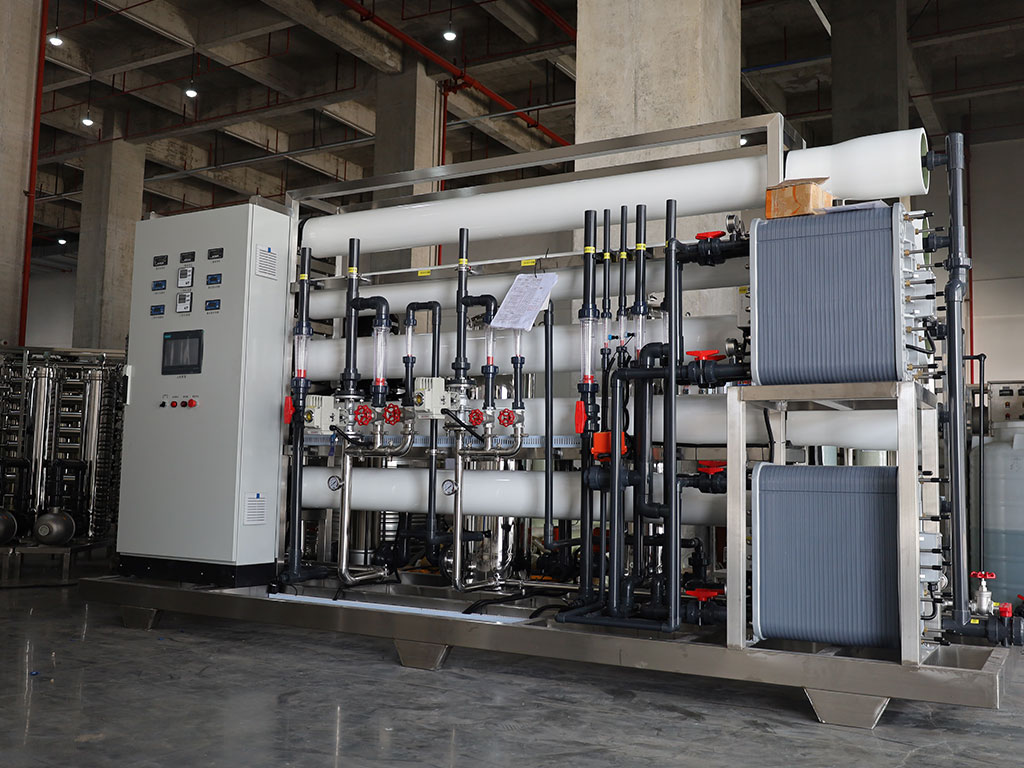
When using water treatment equipment, reverse osmosis equipment is generally divided into two parts: pre-treatment debugging and reverse osmosis debugging. How to solve problems with water treatment equipment? First, analyze the inlet water of the device to see if it meets the standards. Then adjust the control of the water treatment equipment, check if the device is in operation, and check if there are any leaks at the connections of various pipelines. Check the product to see if the water valve meets the requirements, then start the regeneration system to see if it is normal. At the beginning, ensure that it is unobstructed.
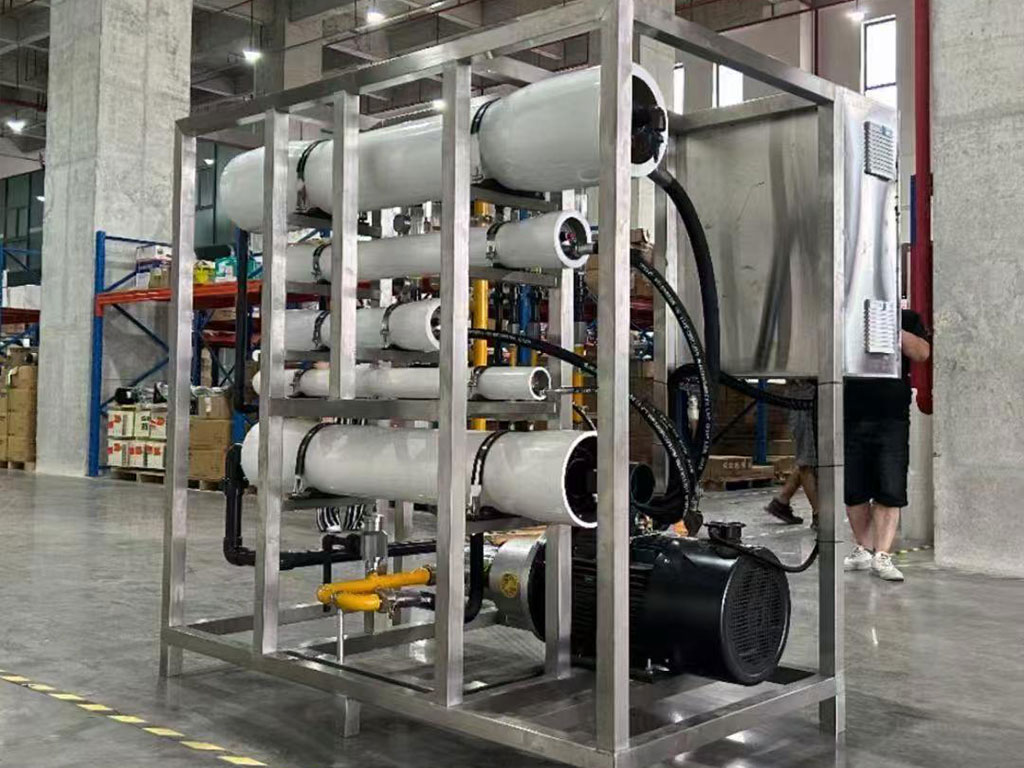
Membrane components are commonly found in water treatment equipment. Membrane components are high loss objects that need to be stored in a specific solution. Membrane components undergo water testing before leaving the factory. The membrane components need to be kept moist, and temporary opening is required to confirm the quantity without damaging the plastic bag. Membrane components are better stored at low temperatures. When stored in an environment above ten degrees Celsius, a well ventilated place should be selected, and the temperature should not exceed 35 degrees Celsius. In order to prevent the growth of microorganisms during storage and transportation of membrane components, they need to be soaked in blown water to generate bisulfite, and a storage solution needs to be prepared.
(1) Take out the membrane element from the cardboard box and remove the plastic packaging bag. Please note that there is protective liquid in the membrane element, so be careful during operation.
(2) Install a saltwater seal ring on the membrane element. If installed in reverse, it cannot function properly. Please be careful.
(3) Loading membrane components
Insert the end of the membrane element without a saltwater sealing ring parallel to the water supply side (upstream) of the pressure vessel, and slowly push in 2/3 of the element. At this point, be careful not to touch the edges of the pressure vessel.
(4) Install connection plugin
After placing the initial membrane element as a whole into the pressure vessel, insert the connecting joints between the elements into the water production center pipe of the element. Before installing the joints, apply silicone lubricant on the O-ring of the joint.
(5) Load the second membrane element
Install a saltwater seal ring on the membrane element and insert the central water collection pipe of the membrane element into the installed connection plug. After confirming that the central water collection pipe has been fully inserted into the connecting plug, insert the second membrane element. If the membrane element needs to be pulled out after being pushed over, it will detach from the connecting plug or cause the saltwater seal ring to twist, resulting in poor performance. Therefore, it is necessary to slowly push it over to avoid pushing it over.
(6) Loading subsequent membrane components
Repeat steps (4) and (5) until all components are loaded into the pressure vessel, and the length of the components and pressure vessel determines the quantity to be loaded. Push the last component in until the connection joint of the first component is tightly inserted into the end plate interface on the concentrated water side of the pressure vessel.
(7) Install connection plugin
After filling in all components, install the connecting joints.
(8) Install the end plate on the water supply side
According to the assembly guide for pressure vessels, install the upper end plate on the supply water side of the pressure vessel.
(9) Connect the pipes at the end plate.
The replacement time of the filter element in reverse osmosis equipment depends on multiple factors, including the type of reverse osmosis membrane, water quality, frequency of use, etc. Here are some common replacement time suggestions:
Pre filter element: Replace it every 6 months to 1 year, depending on the water quality and frequency of use.
RO membrane filter: Replace it every 1 to 2 years, depending on the quality and frequency of use of the reverse osmosis membrane.
It is recommended to regularly check the filter element during the use of reverse osmosis equipment. If it is found that the filter element has not been replaced for a long time or has been blocked or damaged, you can communicate and contact the after-sales service of our water purification equipment manufacturer.
Yes, we provide comprehensive technical support services, including system design consultation, installation guidance, operation training, troubleshooting, etc. Our technical team is always at your service.
Under normal use and maintenance conditions, the service life of reverse osmosis membranes is usually 3-5 years. The specific lifespan depends on the quality of the incoming water, operating conditions, and maintenance.
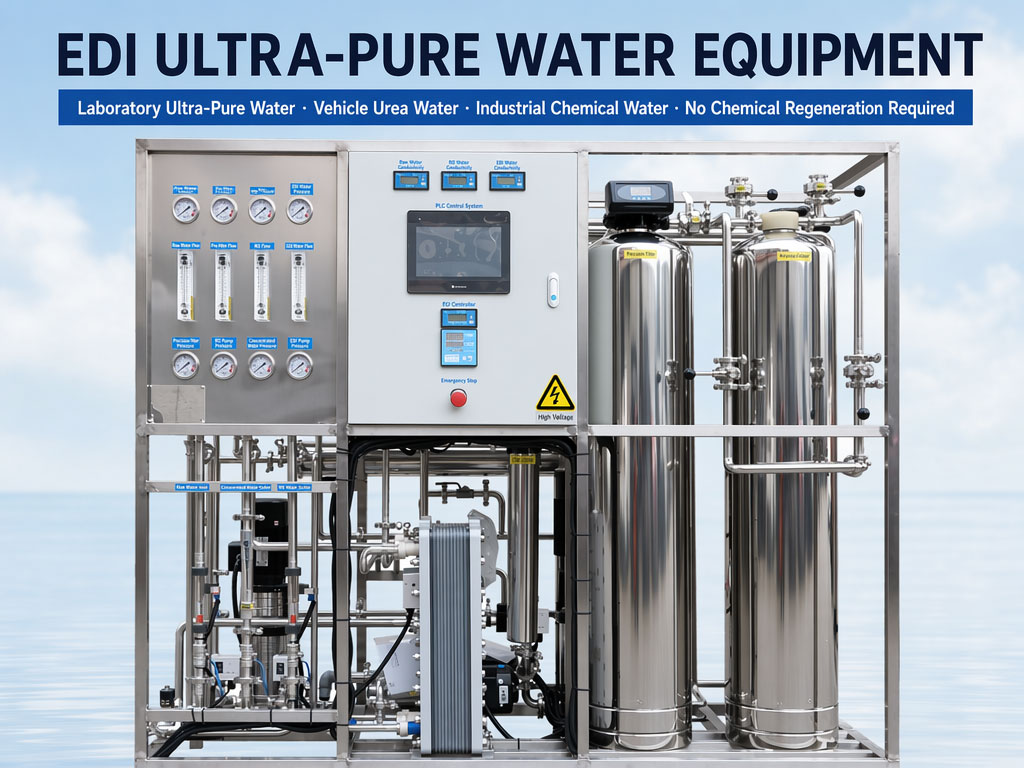
Routine maintenance is required for purified water equipment to stabilize outlet water quality, reduce equipment failures, extend service life and cut replacement costs.
1.Core Maintenance Tasks
1.1 Perform regular cleaning and disinfection to remove internal scale, eliminate attached microorganisms and prevent water contamination.
1.2 Replace filter cartridges on schedule; the replacement cycle shall be determined by raw water quality to avoid clogging and failure of filter cartridges.
1.3 Conduct regular equipment calibration to ensure operating parameters and performance meet specified standards.
1.4 Carry out periodic overall equipment inspection.
2.Tiered Maintenance Implementation Requirements
2.1 Complete basic cleaning and disinfection on a daily basis.
2.2 Conduct in-depth overall equipment inspection every three months, including filter cartridge replacement and full disinfection.
2.3 Perform regular calibration and performance testing.
Tailored system solutions
Adhering to the international quality system reputation, with strong capabilities in 4 production bases across the country, and 7x24 hour customer service online one-on-one service