Ultrapure Water System Solution for Boiler Make-up Water of Thermal Power Plants (Ultrafiltration + Two-Stage RO + EDI)
Date: 2026-07-09 Categories: chemical industry Views: 71
1. Project Overview
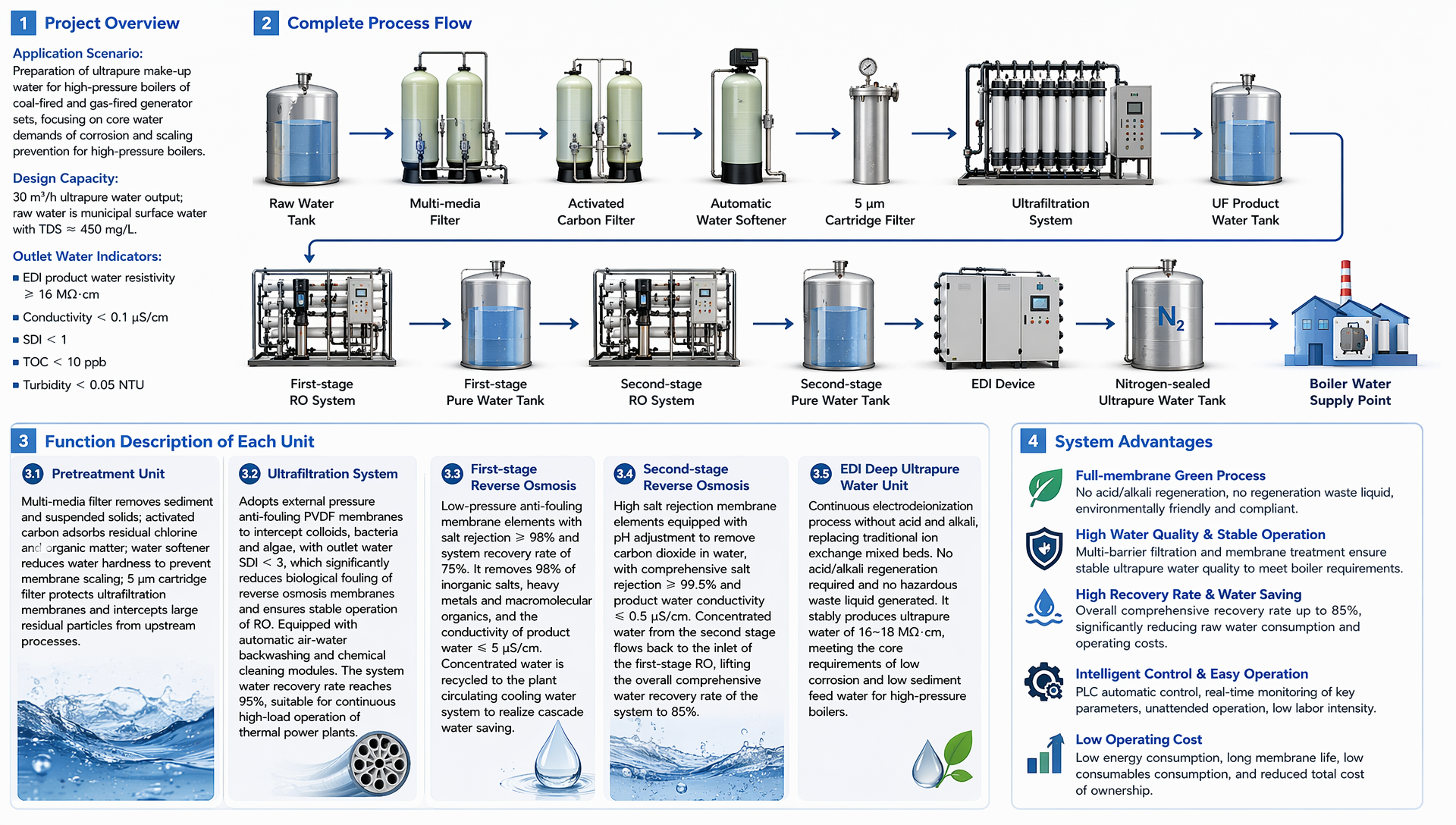
Application Scenario: Preparation of ultrapure make-up water for high-pressure boilers of coal-fired and gas-fired generator sets, focusing on core water demands of corrosion and scaling prevention for high-pressure boilers.
Design Capacity: 30 m³/h ultrapure water output; raw water is municipal surface water with TDS ≈ 450 mg/L.
Outlet Water Indicators: EDI product water resistivity ≥ 16 MΩ·cm, conductivity < 0.1 μS/cm, SDI < 1, TOC < 10 ppb, turbidity < 0.05 NTU.
Core Process: Pretreatment→Ultrafiltration (UF)→First-stage Reverse Osmosis (RO)→Second-stage Reverse Osmosis (RO)→EDI Ultrapure Water Unit.
2. Complete Process Flow
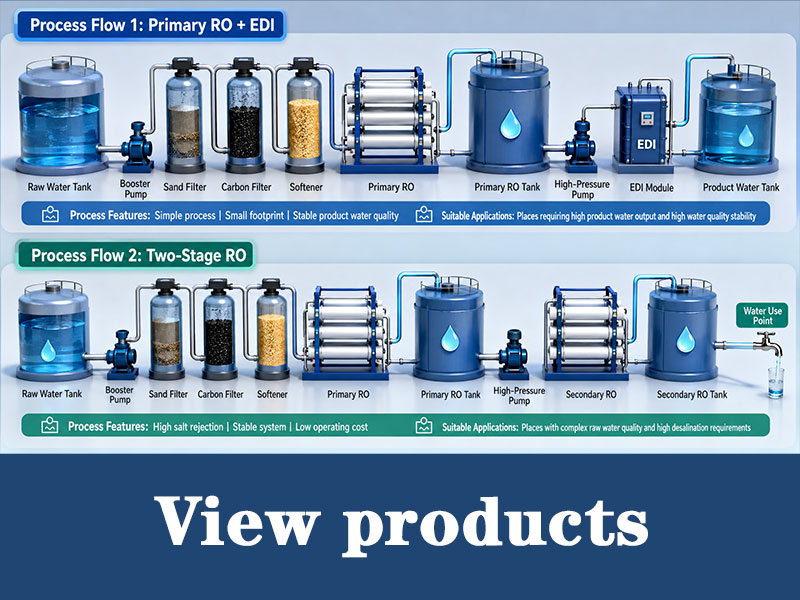
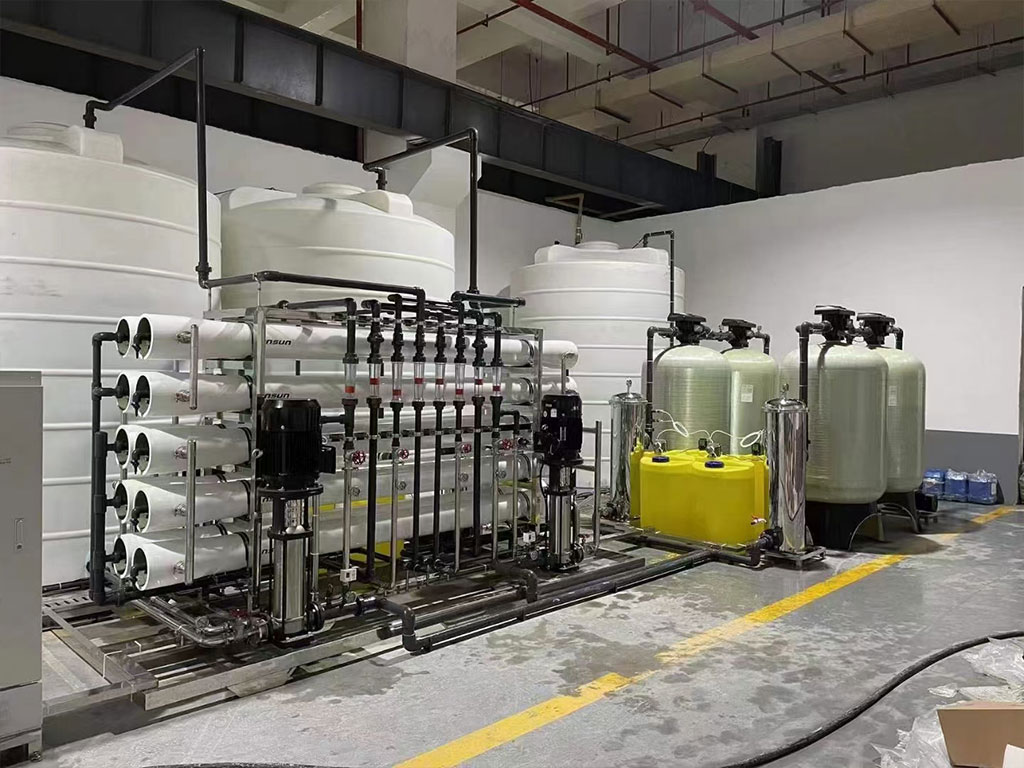
Raw Water Tank→Multi-media Filter→Activated Carbon Filter→Automatic Water Softener→5 μm Cartridge Filter→Ultrafiltration System→UF Product Water Tank→First-stage RO System→First-stage Pure Water Tank→Second-stage RO System→Second-stage Pure Water Tank→EDI Device→Nitrogen-sealed Ultrapure Water Tank→Boiler Water Supply Point
3. Function Description of Each Unit
3.1.Pretreatment Unit
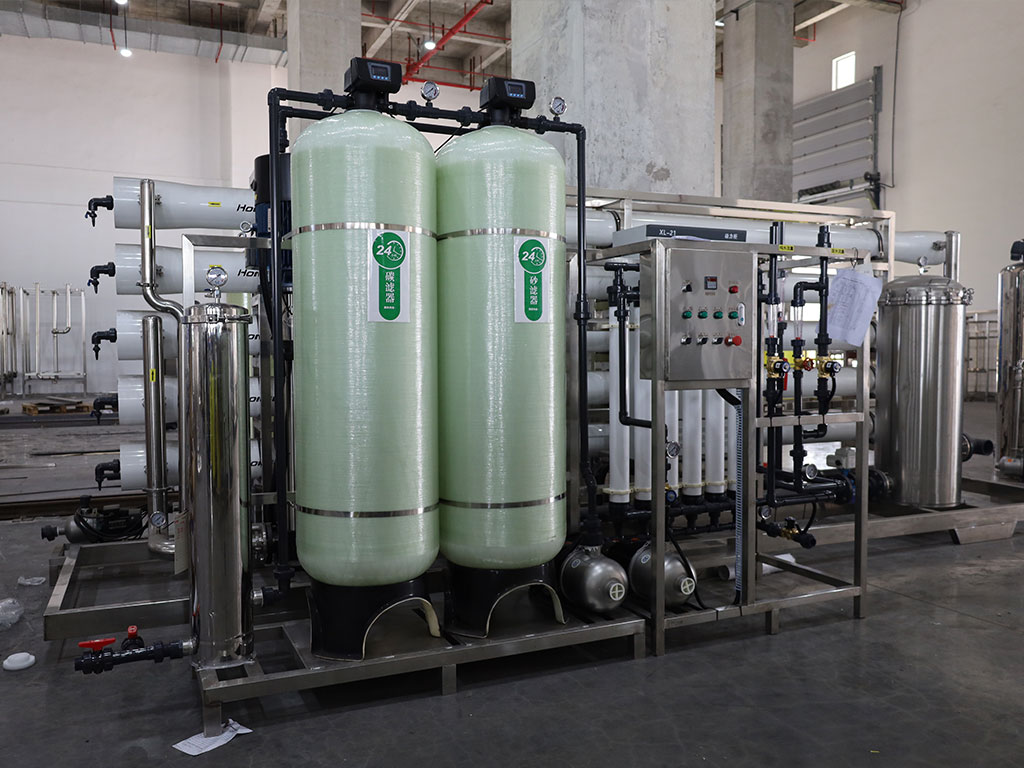
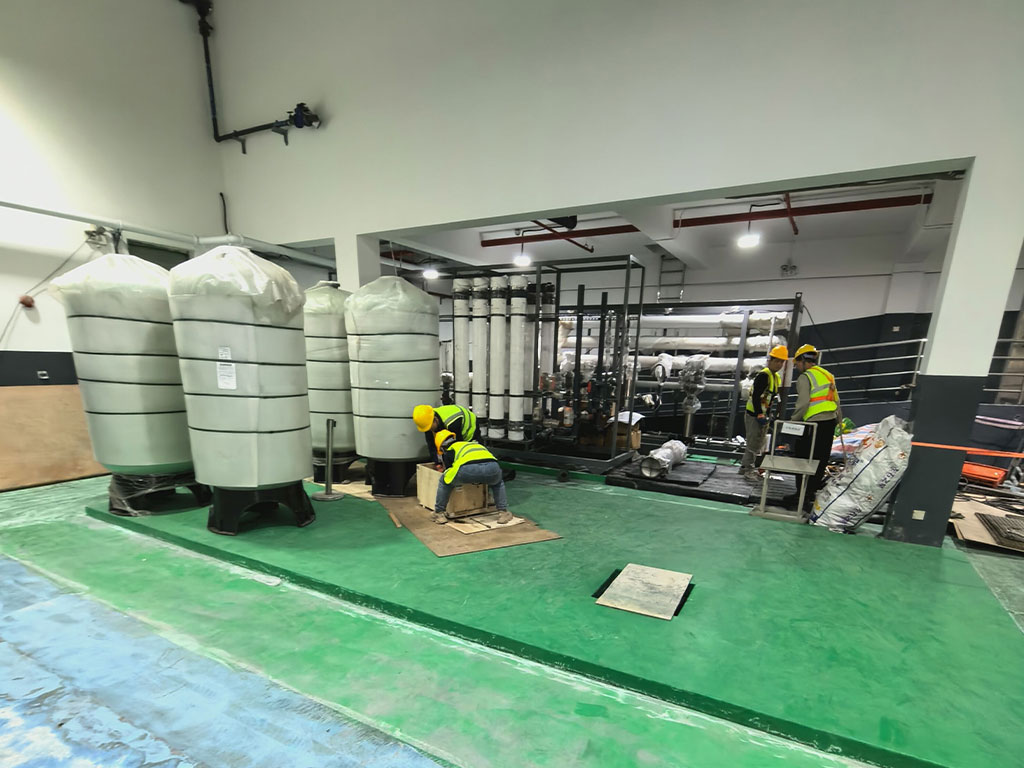
Multi-media filter removes sediment and suspended solids; activated carbon adsorbs residual chlorine and organic matter; water softener reduces water hardness to prevent membrane scaling; 5 μm cartridge filter protects ultrafiltration membranes and intercepts large residual particles from upstream processes.
3.2.Ultrafiltration System
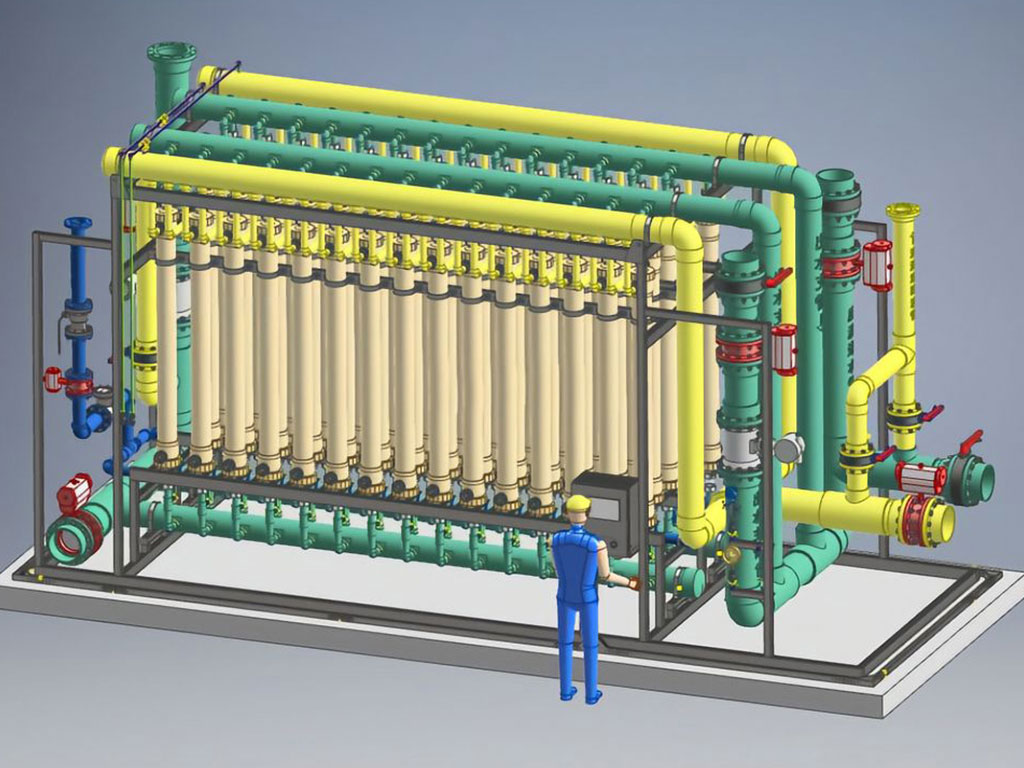
Adopts external pressure anti-fouling PVDF membranes to intercept colloids, bacteria and algae, with outlet water SDI < 3, which significantly reduces biological fouling of reverse osmosis membranes and ensures stable operation of RO. Equipped with automatic air-water backwashing and chemical cleaning modules. The system water recovery rate reaches 95%, suitable for continuous high-load operation of thermal power plants.
3.3.First-stage Reverse Osmosis
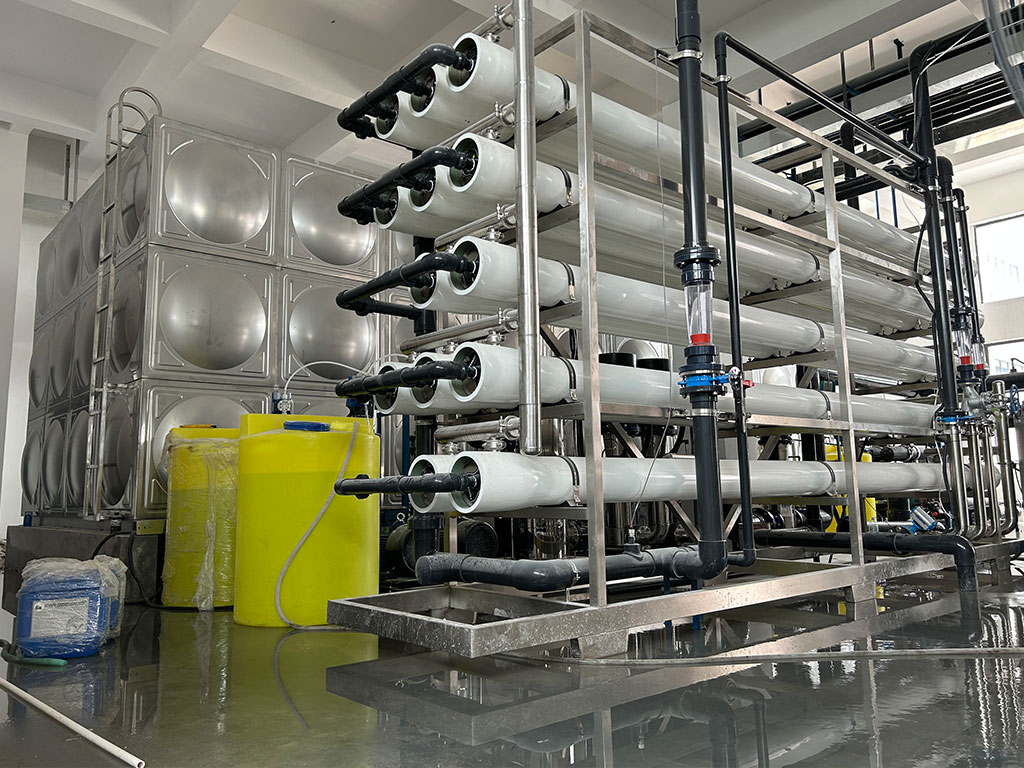
Low-pressure anti-fouling membrane elements with salt rejection ≥ 98% and system recovery rate of 75%. It removes 98% of inorganic salts, heavy metals and macromolecular organics, and the conductivity of product water ≤ 5 μS/cm. Concentrated water is recycled to the plant circulating cooling water system to realize cascade water saving.
3.4.Second-stage Reverse Osmosis
High salt rejection membrane elements equipped with pH adjustment to remove carbon dioxide in water, with comprehensive salt rejection ≥ 99.5% and product water conductivity ≤ 0.5 μS/cm. Concentrated water from the second stage flows back to the inlet of the first-stage RO, lifting the overall comprehensive water recovery rate of the system to 85%.
3.5.EDI Deep Ultrapure Water Unit
Continuous electrodeionization process without acid and alkali, replacing traditional ion exchange mixed beds. No acid/alkali regeneration required and no hazardous waste liquid generated. It stably produces ultrapure water of 16~18 MΩ·cm, meeting the core requirements of low corrosion and low sediment feed water for high-pressure boilers.
4. System Advantages
Full-membrane green process with low operation and maintenance costs; ultrafiltration pre-treatment greatly extends the chemical cleaning cycle of RO membranes; cascade reuse of concentrated water saves water and energy, adapting to the high water consumption and continuous operation conditions of thermal power industry.