


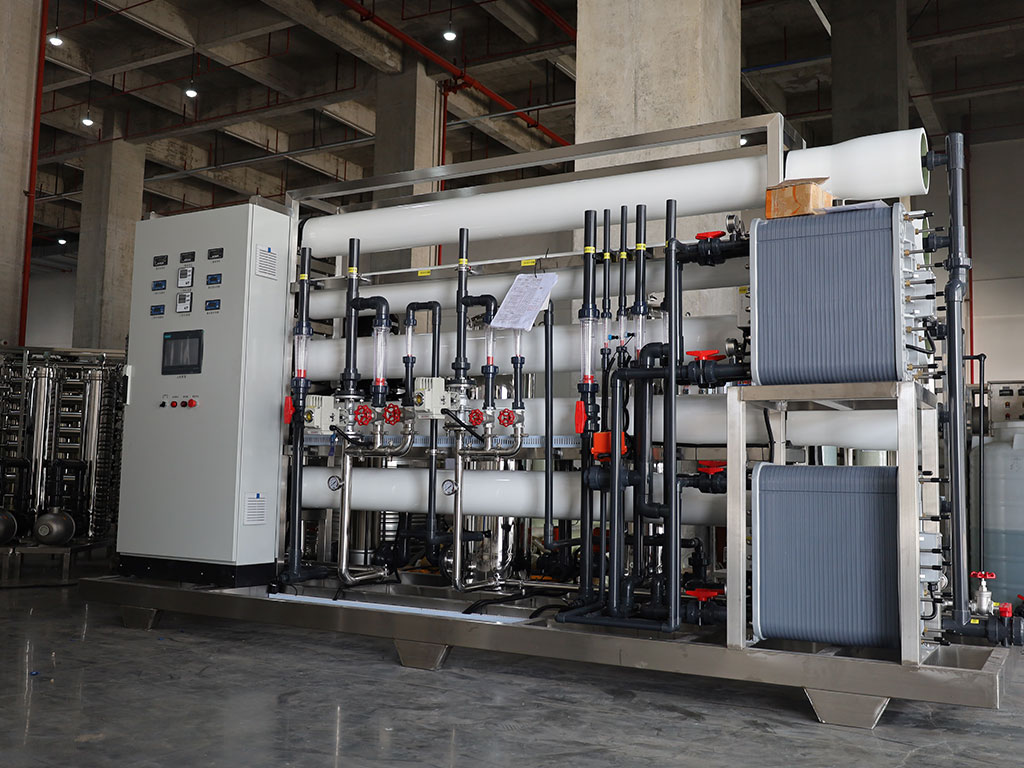
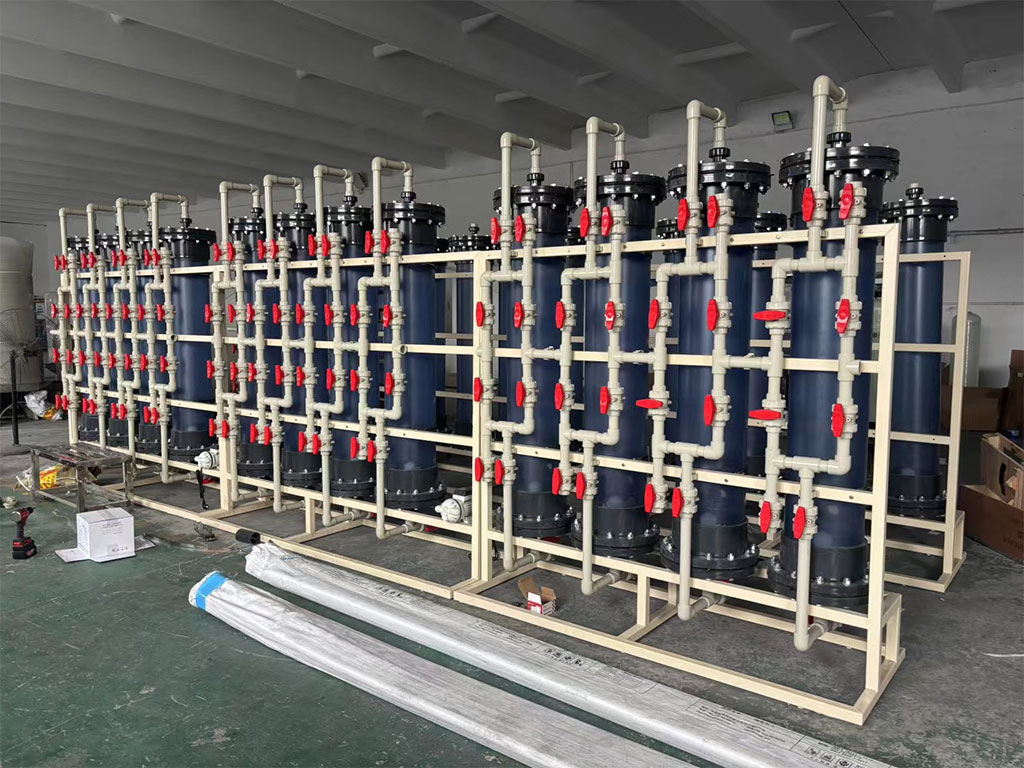
1、 Product Overview
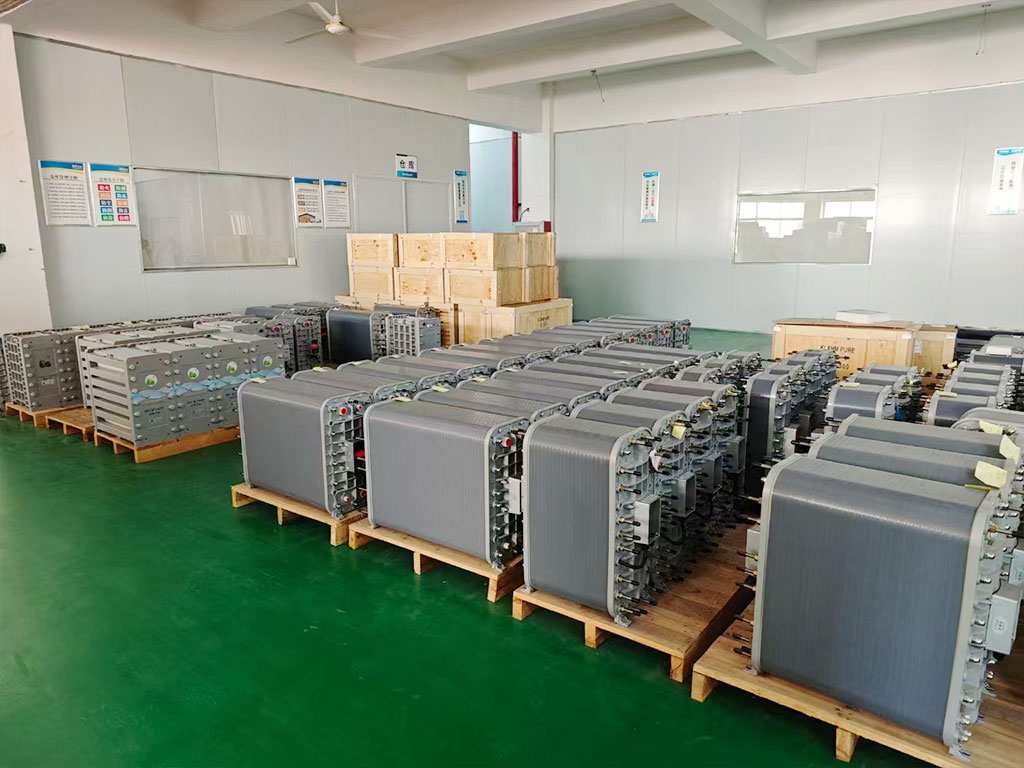
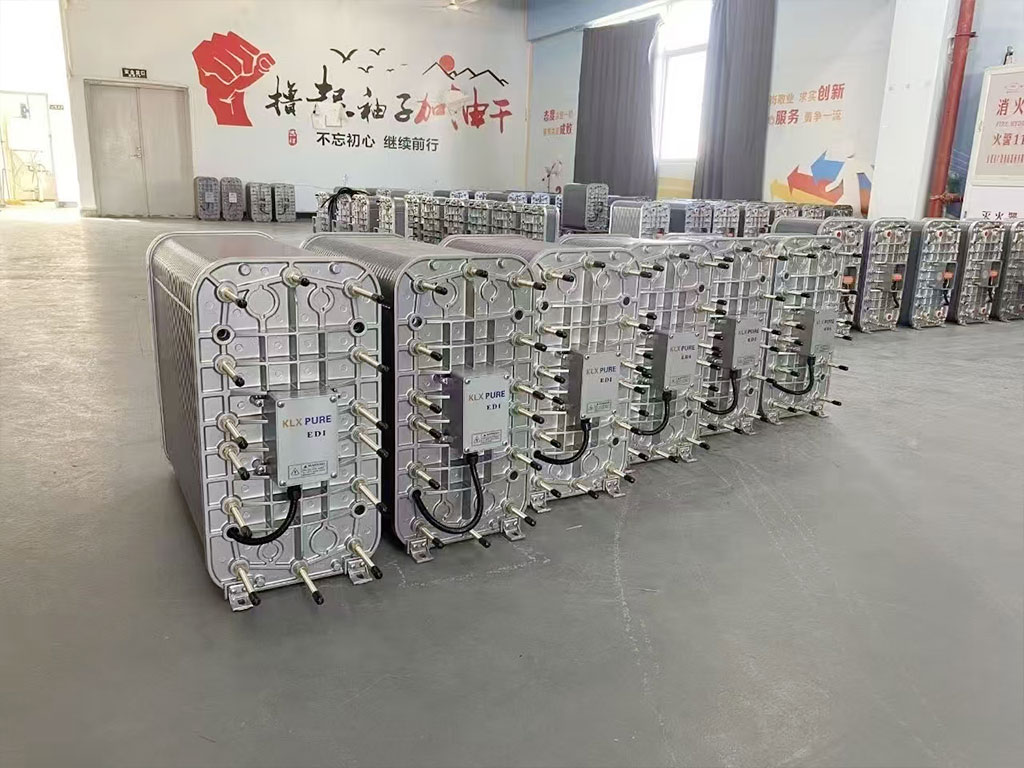
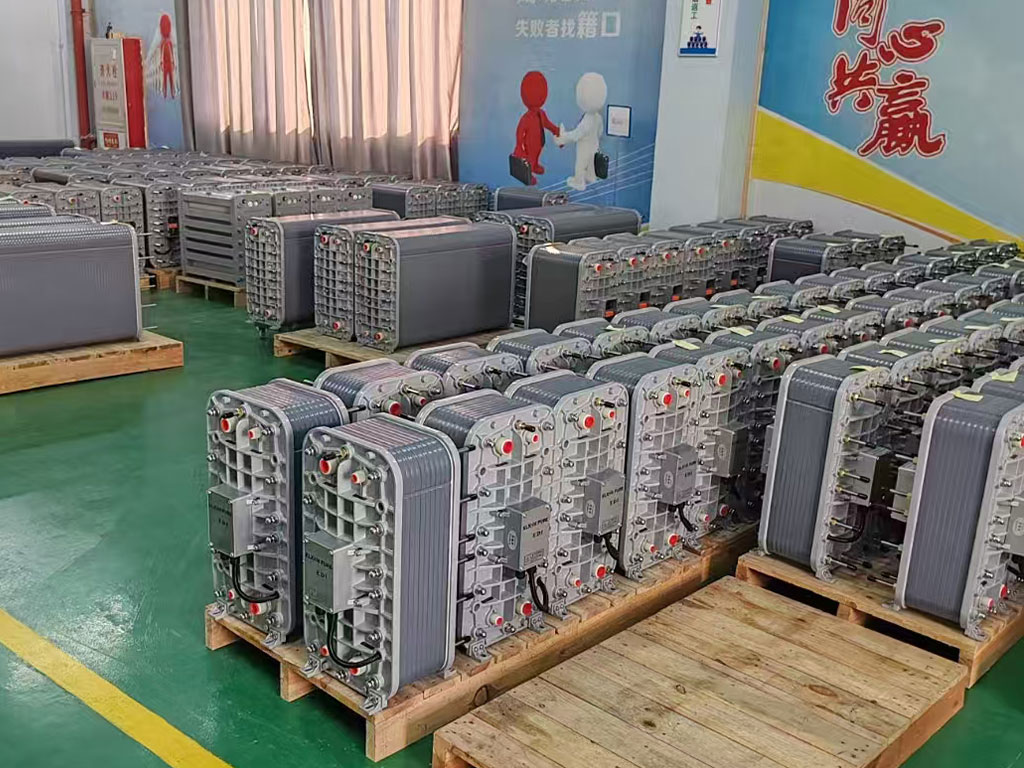
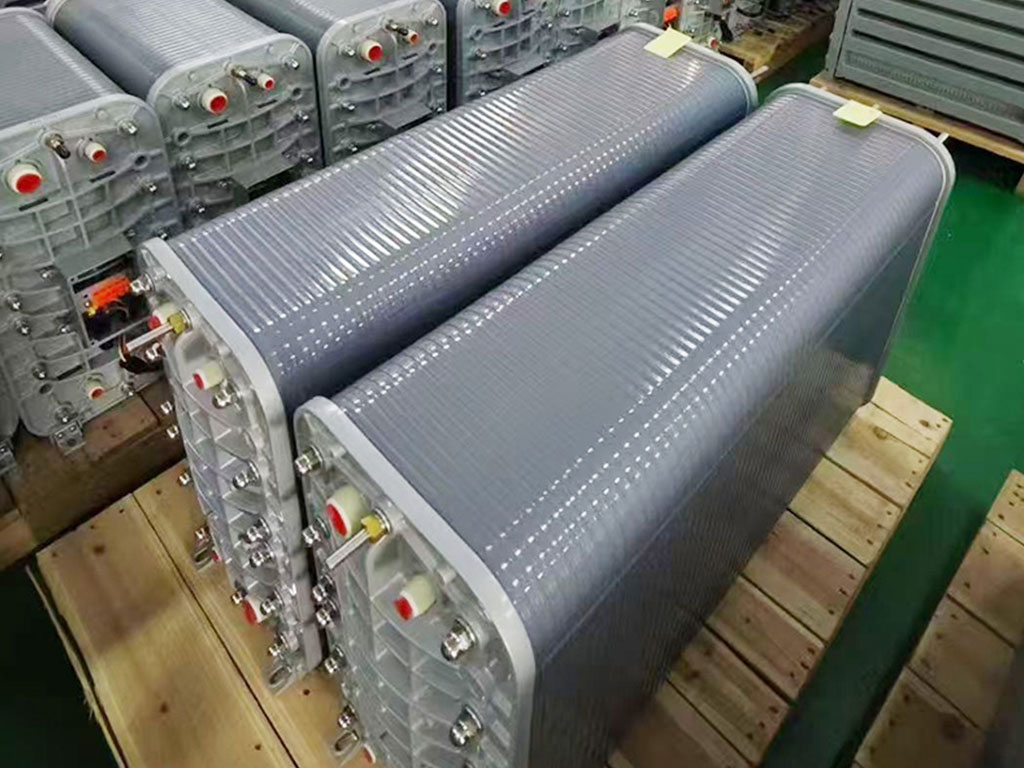
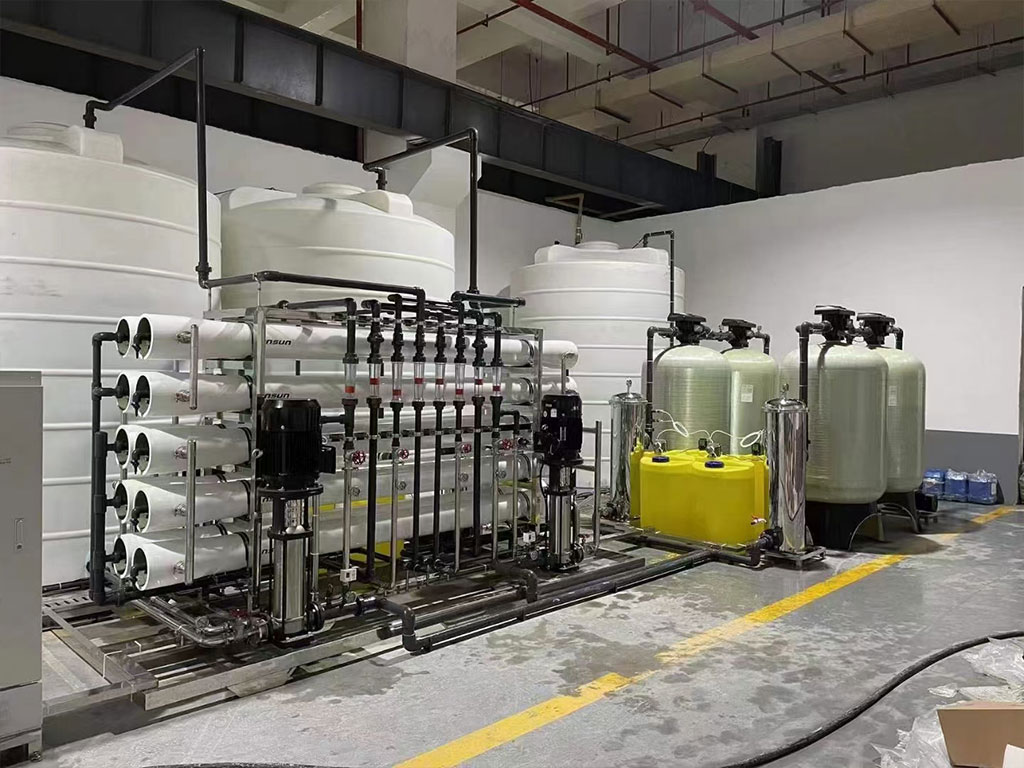
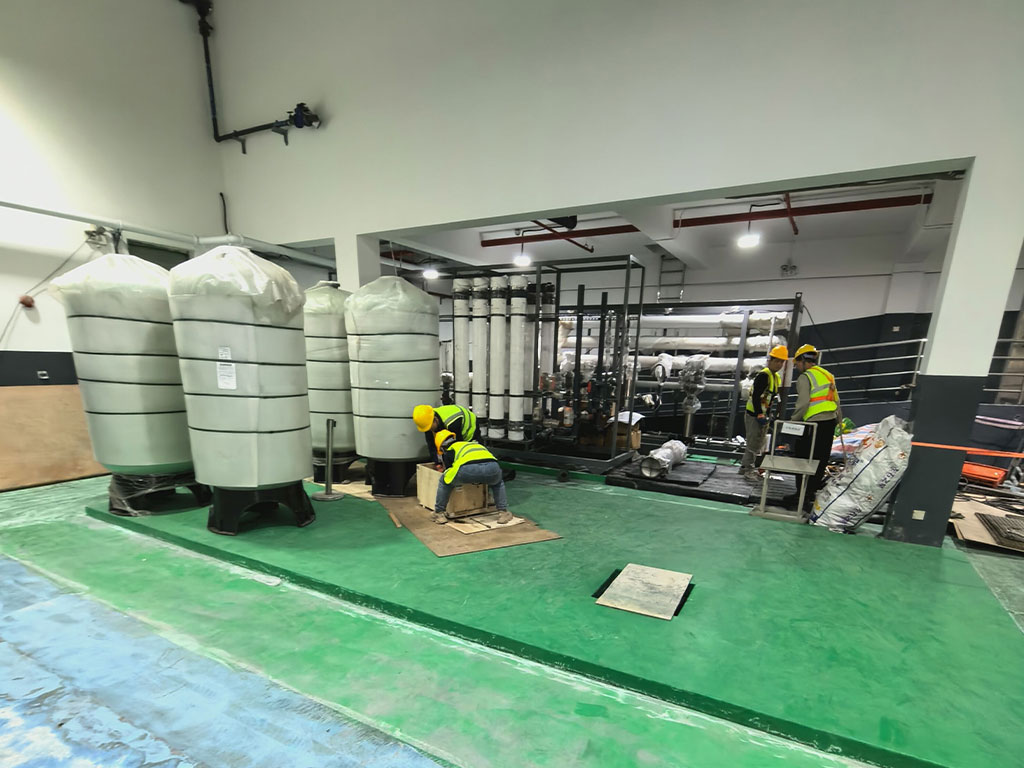
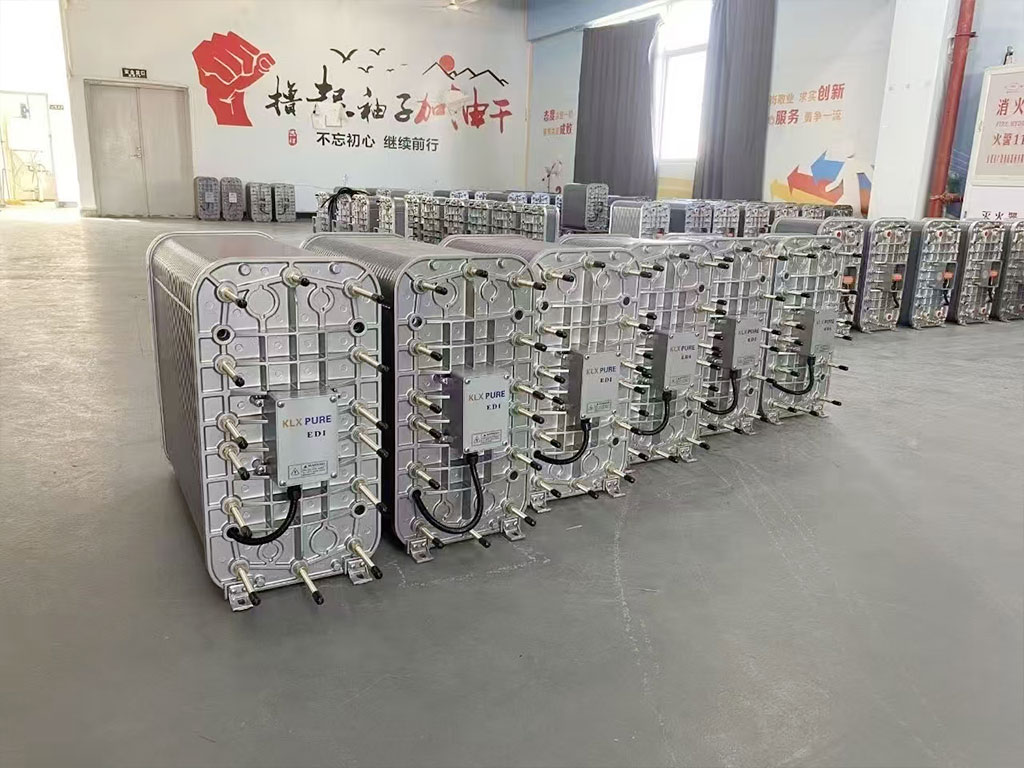
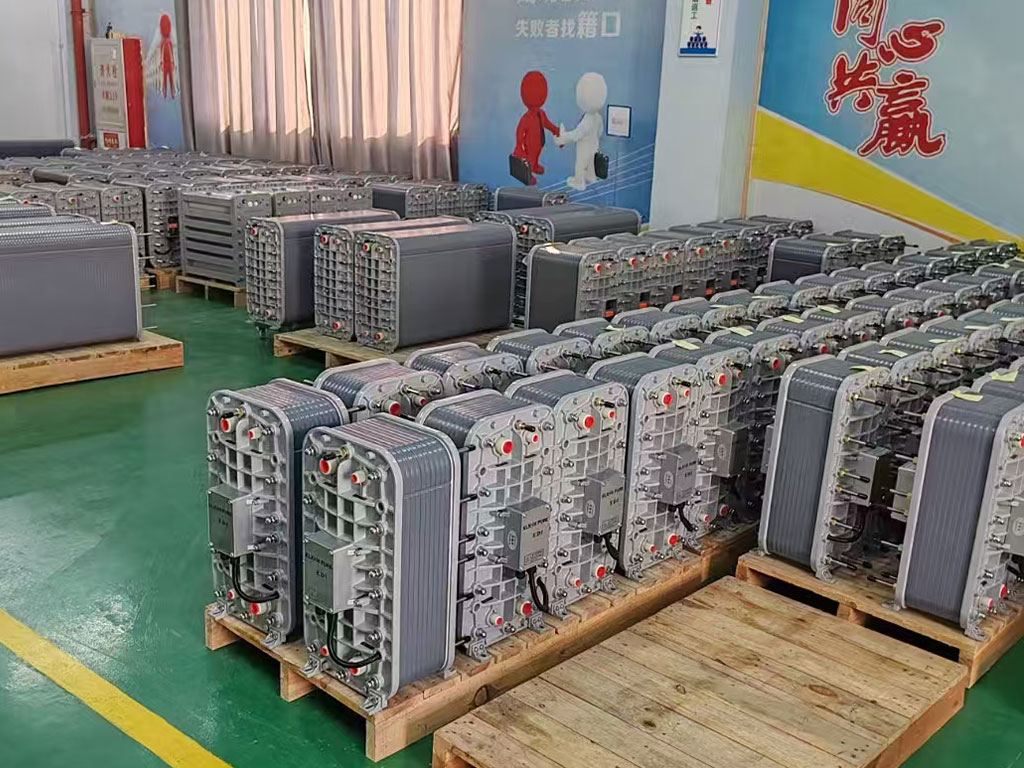
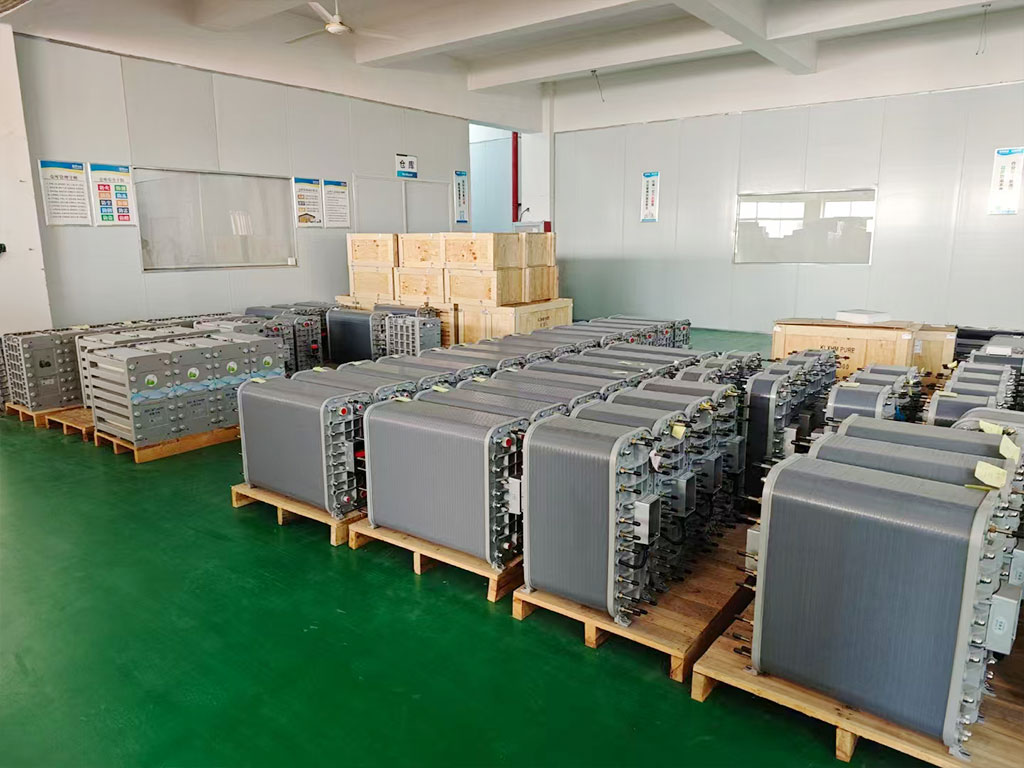
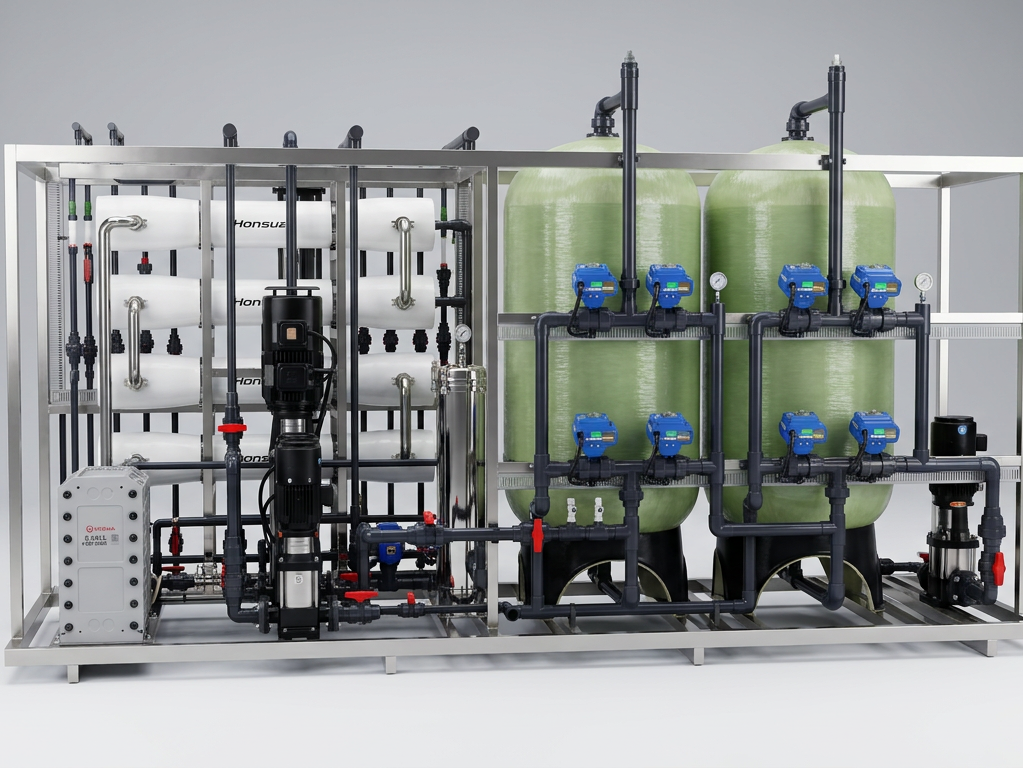
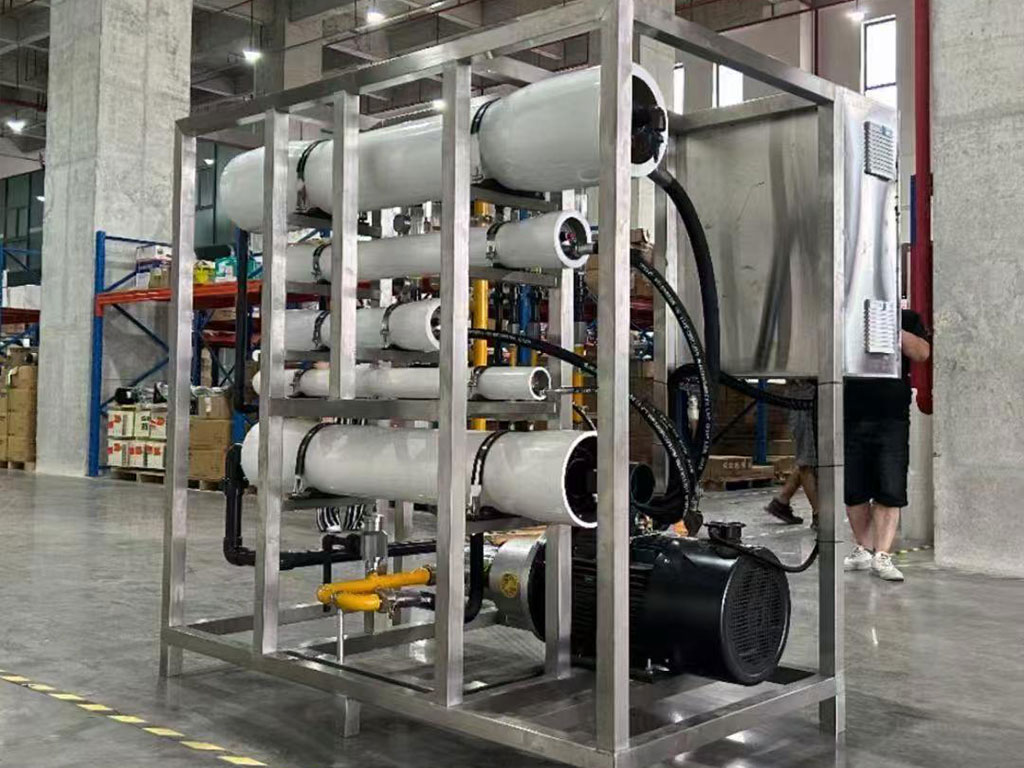
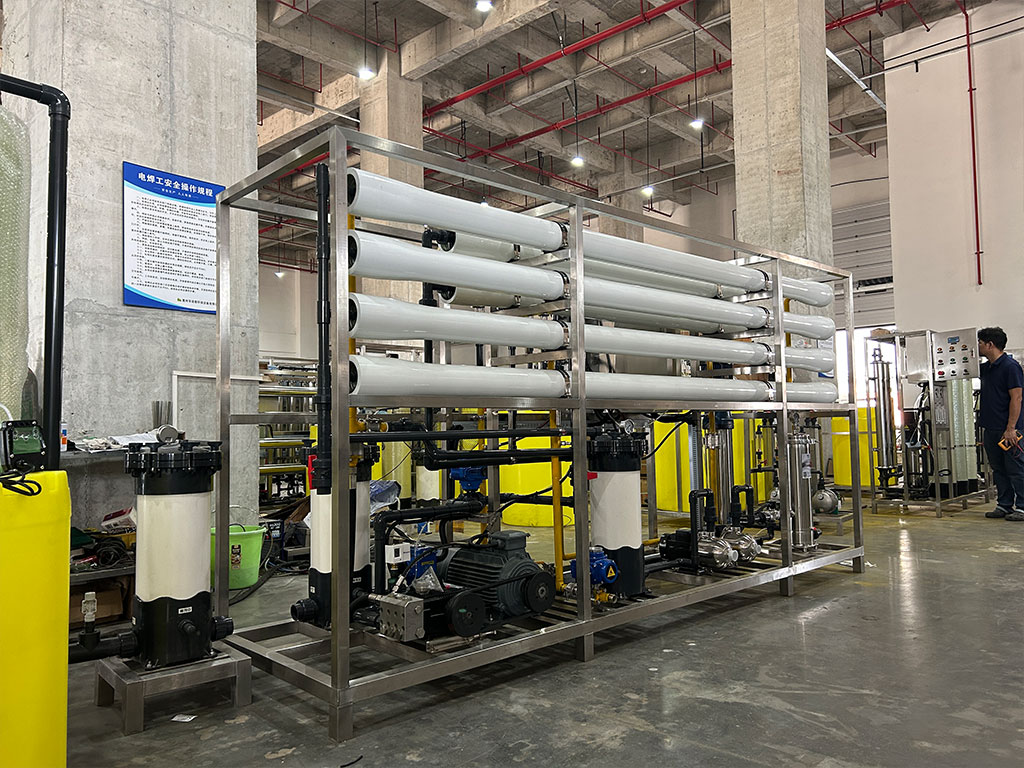
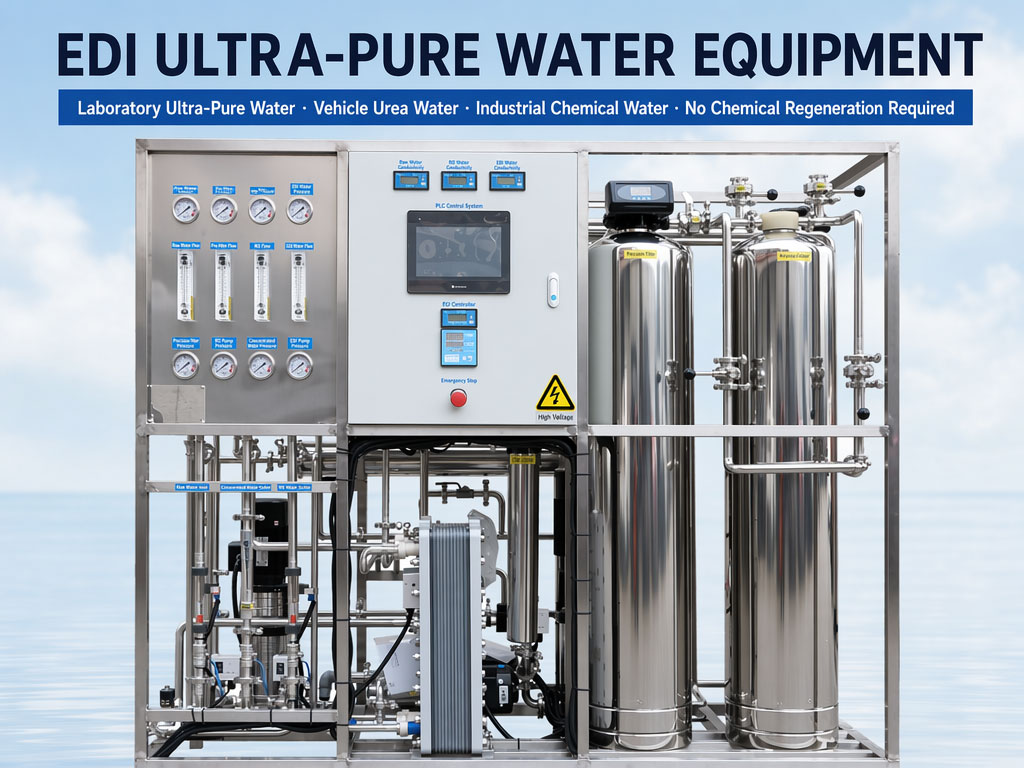
The deep desalination water equipment is an efficient water treatment device carefully developed by Waterland for industrial production scenarios that require extremely high water quality. This device integrates advanced technologies such as ion exchange and membrane separation, which can deeply remove various ion impurities from water, making the effluent quality meet ultra pure standards and meet the high purity water requirements of multiple industries such as electronics, power, chemical, and medicine. The equipment adopts modular design, easy installation, stable operation, and can provide reliable high-quality water sources for enterprises, helping the efficient and stable operation of production processes.
2、 The impact of impurities in water on equipment
Various impurities in water can have an impact on deep desalination equipment. Among them, ionic impurities such as cations such as calcium, magnesium, sodium, and potassium, as well as anions such as sulfate, chloride, and carbonate ions, are the main factors affecting the desalination effect. When the concentration of these ions is too high, it will increase the processing load of the equipment, reduce the service life and exchange efficiency of the ion exchange resin. In addition, non-ionic impurities such as organic matter, colloids, and suspended solids in water may clog the filtration membranes or resin pores of equipment, affecting water flow rate and treatment efficiency, and even leading to equipment failure and increased maintenance costs.
3、 Product Features
The deep desalination equipment has significant product characteristics. Firstly, the desalination efficiency is high, and the ion removal rate in water can reach over 99.9%, ensuring that the effluent quality meets strict industrial standards; Secondly, it has a high degree of automation and is equipped with intelligent control systems, which can achieve automatic operation, monitoring, and fault diagnosis of equipment, greatly reducing manual operation and maintenance costs; Thirdly, it has low operating costs, adopts energy-saving design, optimizes the process flow, and reduces energy consumption and consumables such as resin; Fourthly, it has strong adaptability and can flexibly adjust according to the water quality characteristics of different water sources. It can still operate stably under complex water quality conditions, providing reliable water quality guarantee for enterprises.
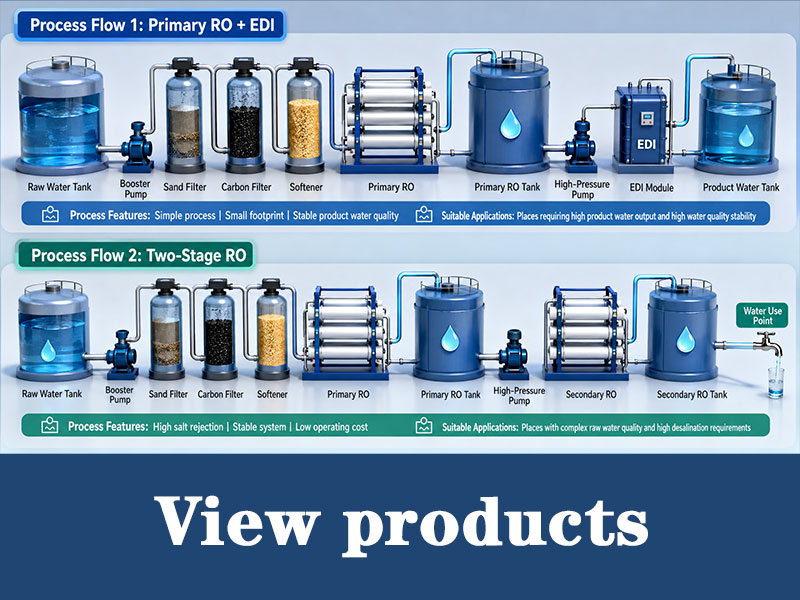
4、 Equipment simple process diagram (customizable as needed)
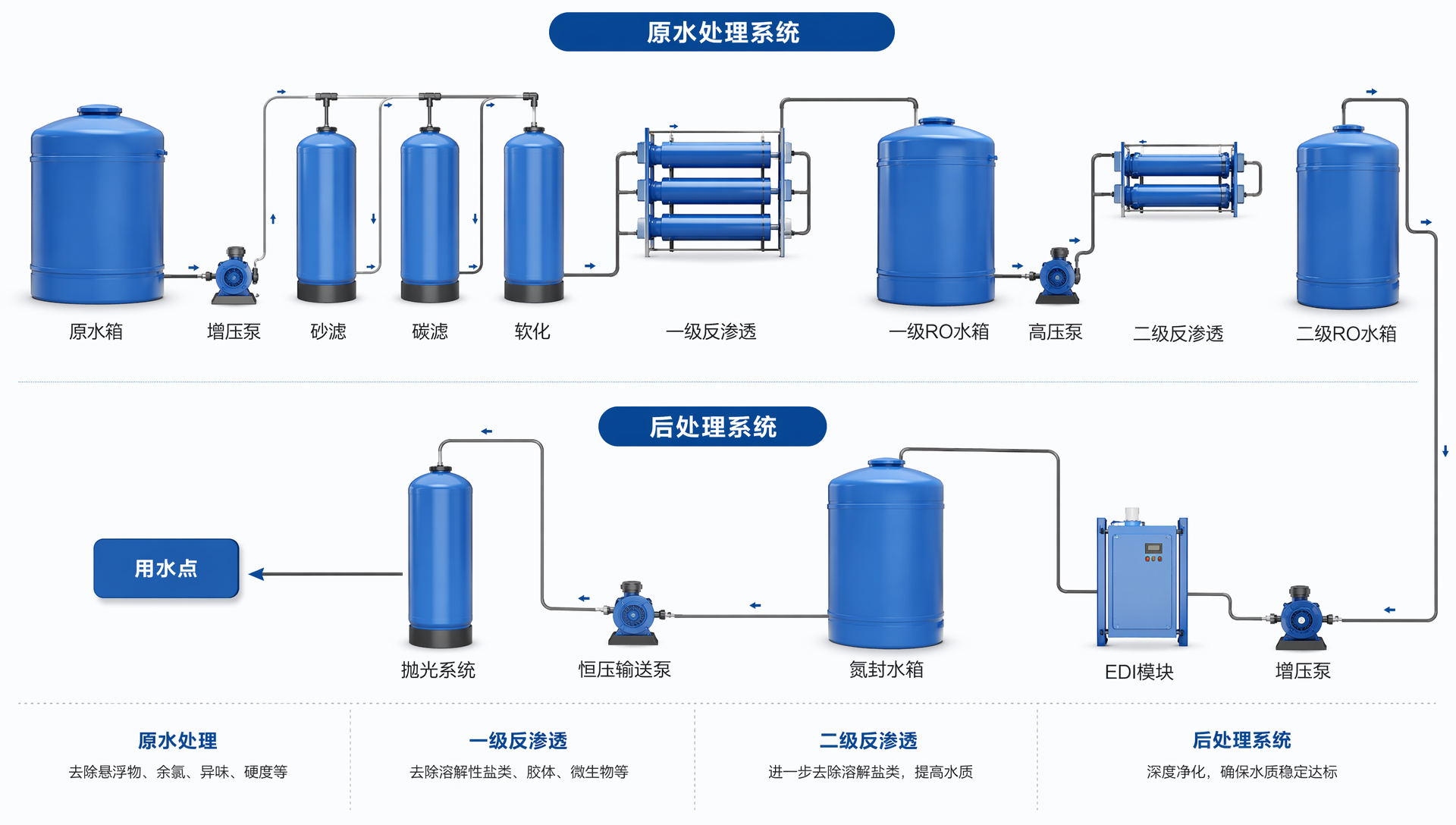
5、 Equipment components and functions
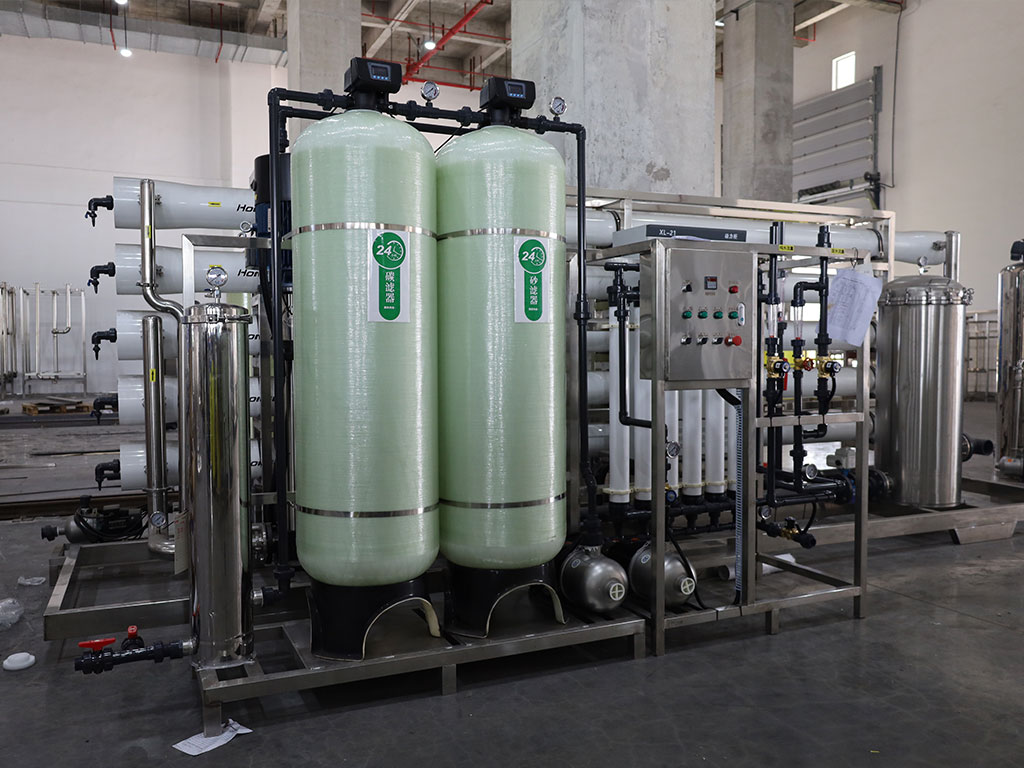
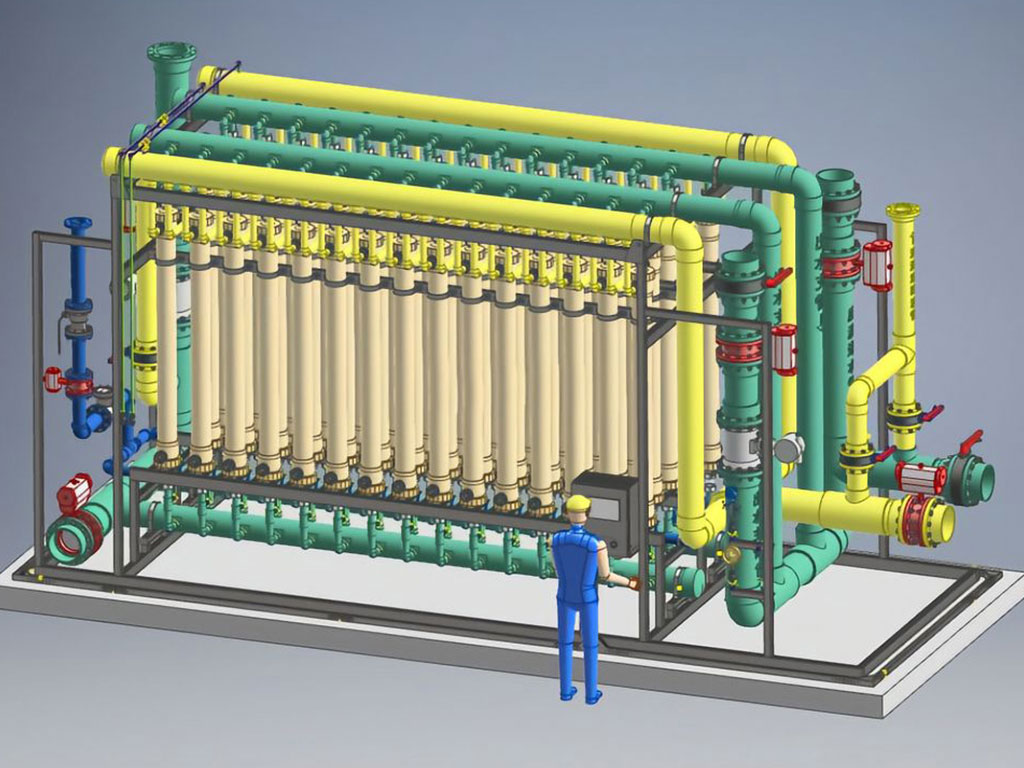
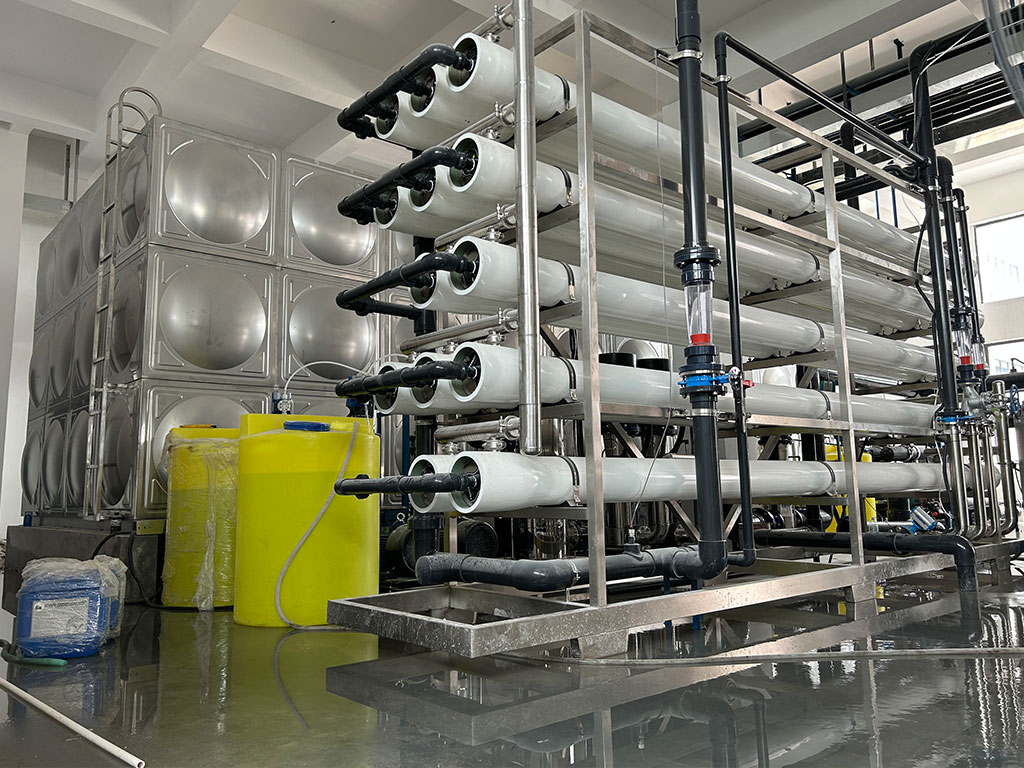
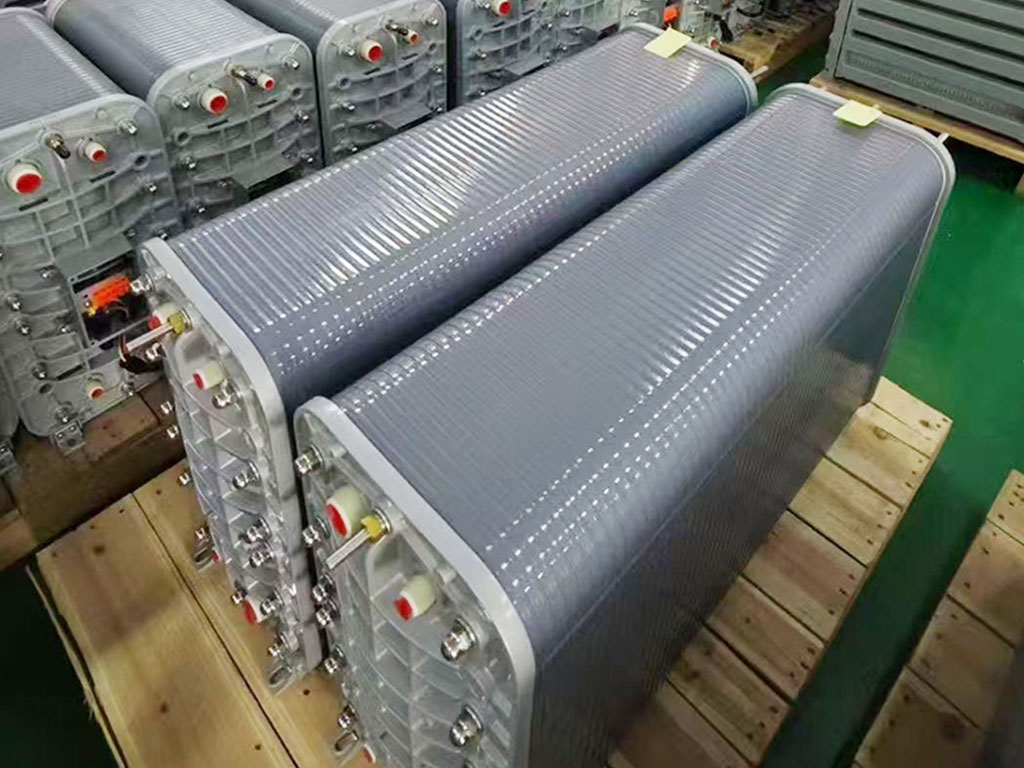
The equipment mainly consists of a preprocessing unit, a desalination unit, a post-processing unit, and a control system. The preprocessing unit includes equipment such as filters, which are used to remove larger particles and impurities such as suspended solids, colloids, and organic matter from water, providing good inlet conditions for subsequent desalination treatment and protecting subsequent equipment; The desalination unit is the core component, which includes ion exchange resin or reverse osmosis membrane. Through ion exchange or membrane separation technology, various ion impurities in water are deeply removed to achieve preliminary desalination of water quality; The post-processing unit may have devices such as ultraviolet sterilization and precision filtration to further remove microorganisms, residual ions, etc. from the water, ensuring that the effluent quality meets higher purity requirements; The control system is responsible for real-time monitoring and control of the entire equipment operation, adjusting the operating parameters of each unit to ensure efficient and stable operation of the equipment. It also has fault alarm and automatic protection functions to improve the reliability and safety of the equipment.