Wuxi Precision Semiconductor Ultra Pure Water Project
Date: 2026-07-06 Categories: Company News Views: 148
Project Background
With the rapid development of the semiconductor industry, the requirements for water quality in the production process are becoming increasingly strict. Ultra pure water, as a key raw material in semiconductor production, directly affects the quality and stability of the product. This case study takes Wuxi Precision Semiconductor Enterprise as an example to introduce its successful application of Meigu Environmental Protection's ultra pure water equipment.
Project Requirements
This semiconductor company occupies an important position in the field of diodes, and its production process requires extremely high quality of ultrapure water. Specific requirements include:
Processing water volume reaches 15 tons/hour
The metal ion content in water quality is below 10 PPT level
TOC (Total Organic Carbon) is less than 5PPb
Particle size less than 0.05um
These indicators are a huge challenge for ultra pure water equipment, requiring the equipment to have efficient, stable, and reliable performance.
solution
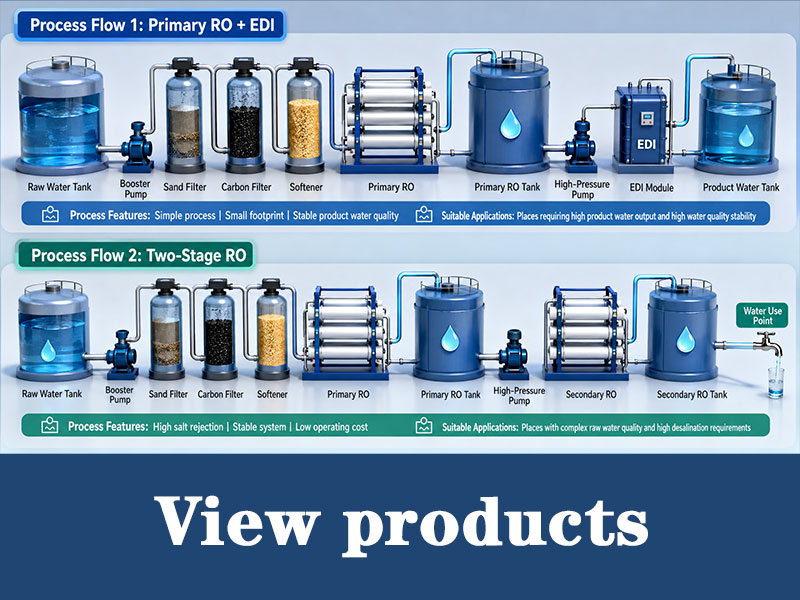
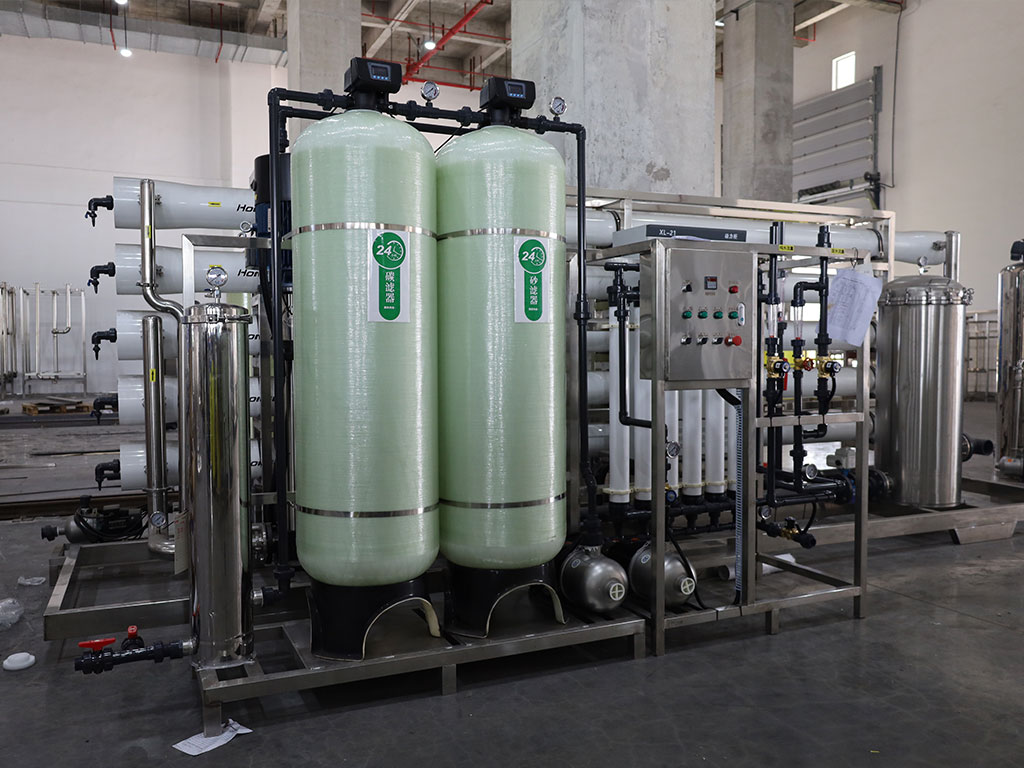
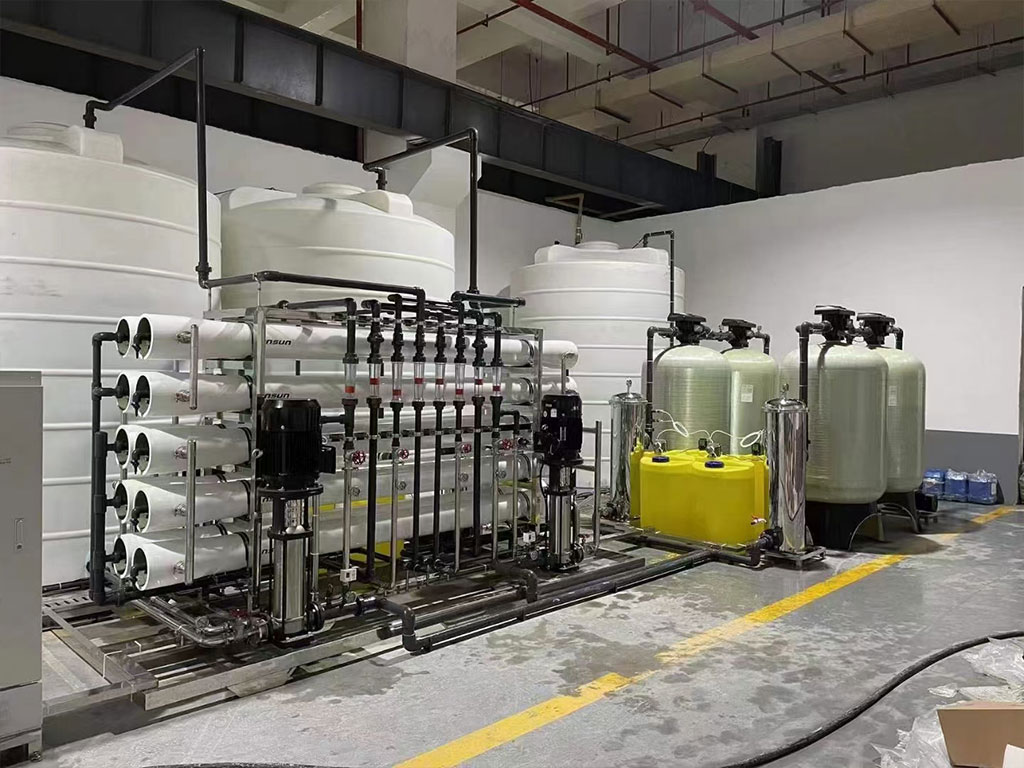
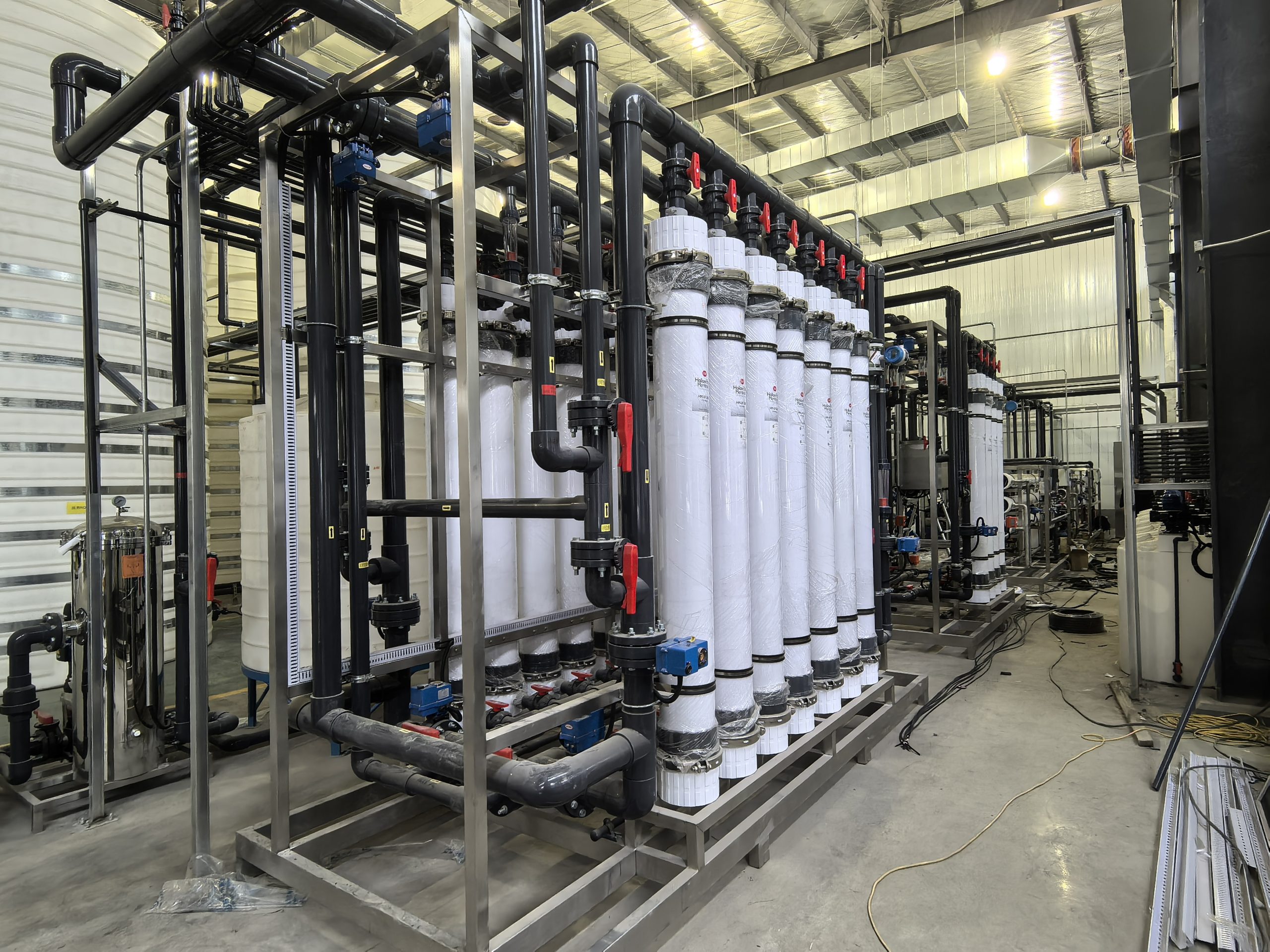
In order to meet the stringent needs of enterprises, Shuangfu Company provides customized solutions for ultra pure water equipment. This scheme adopts advanced EDI (Electrodeionization) effluent+polishing resin process, with the specific process as follows:
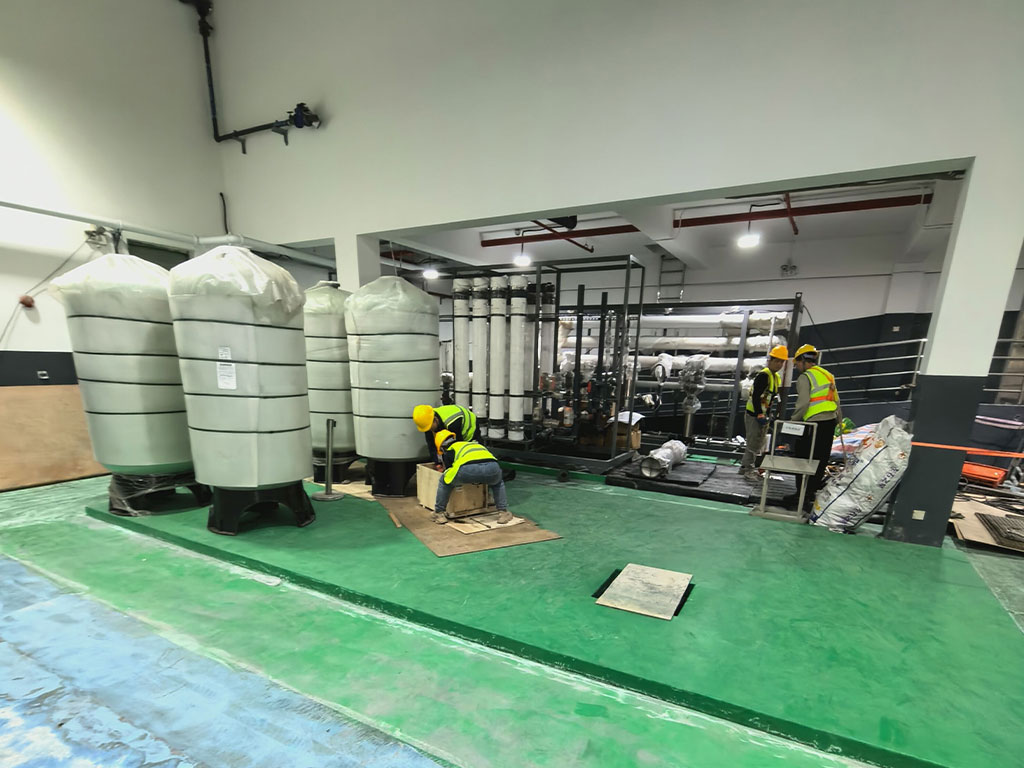
Raw water pretreatment: Raw water (tap water or ordinary distilled water) first enters the pretreatment system, including the raw water tank, raw water pump, bactericide, quartz sand filter, activated carbon filter, heat exchanger, and scale inhibitor system, to remove impurities such as suspended solids, organic matter, and microorganisms in the water.
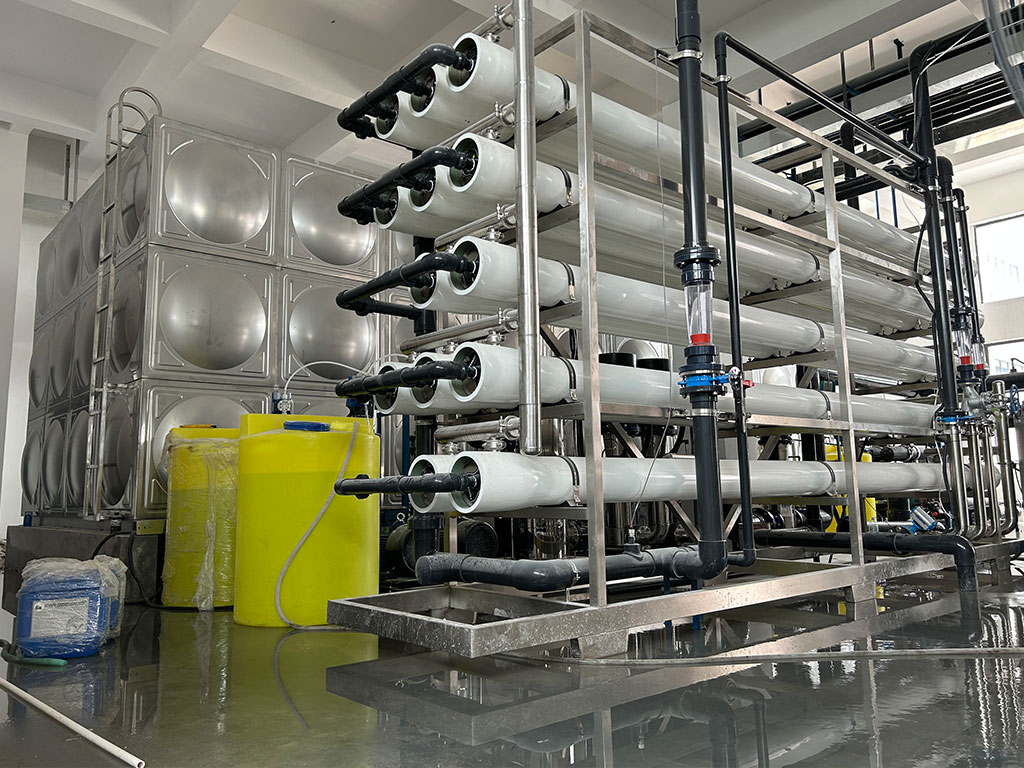
Dual stage reverse osmosis system: Pre treated water enters the dual stage reverse osmosis system and passes through a security filter, high-pressure pump, and reverse osmosis membrane to filter out more than 95% of electrolytes and macromolecular compounds, including colloidal particles and viruses. This step greatly extends the service life of the subsequent ion exchange column.
EDI system: Water treated with reverse osmosis enters the EDI system and is further removed of electrolytes (including weak electrolytes) through electro deionization, increasing the electrical resistivity of the water from 0.05-1.0M Ω· cm to 5-16M Ω· cm.
Polishing resin: Finally, water is passed through a nuclear grade polishing resin without chemical precipitation to remove residual trace charged ions and weak electrolytes in pure water, resulting in a water quality of over 18M Ω· cm, meeting the strict requirements of the enterprise.
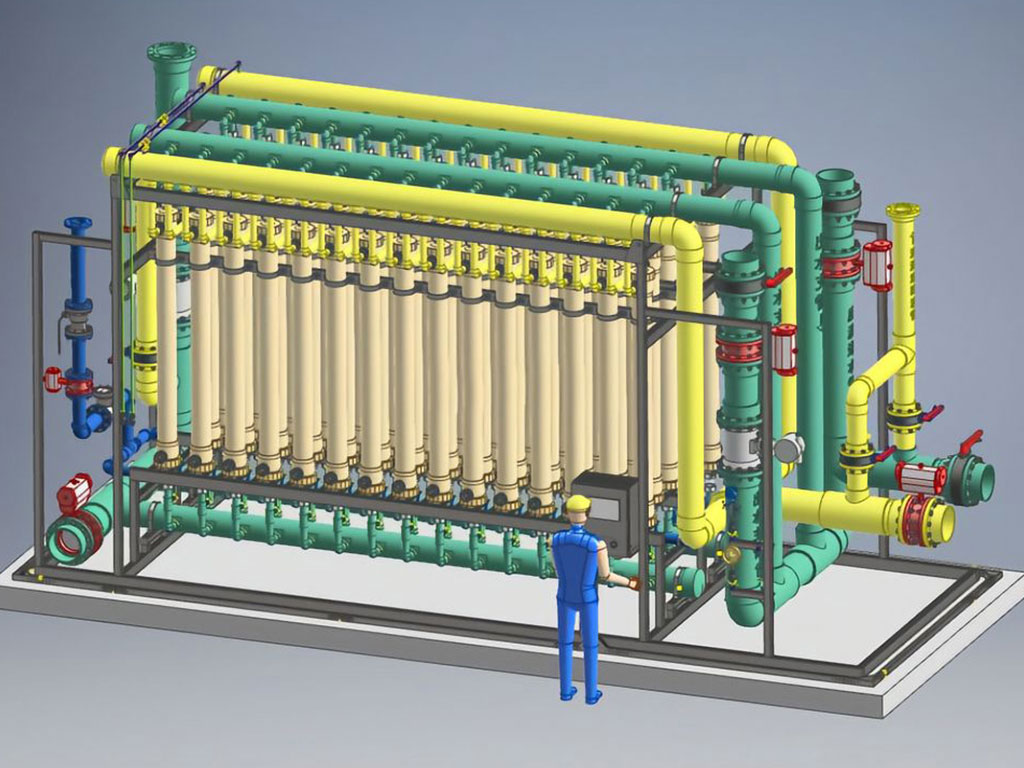
Terminal ultrafiltration: As the last line of defense of the entire system, terminal ultrafiltration can effectively remove particles, colloids, bacteria, heat sources, and organic matter from water, ensuring that the produced high-purity water is not subjected to secondary pollution.
Project achievements
The ultra pure water equipment achieves the characteristics of ultra quiet operation, dust prevention, and easy installation during operation, greatly reducing the operation and maintenance costs of the enterprise. At the same time, the equipment has online water quality monitoring function, which can monitor the water quality situation in real time and alarm in a timely manner when it is unqualified, ensuring the stability and reliability of the production process.
By applying the Shuangfu Environmental Protection Ultra Pure Water Equipment, the semiconductor company has not only improved production efficiency and product quality, but also gained widespread recognition in the market. The production technology of its diodes has reached an unprecedented level, further consolidating the company's leading position in the industry.
Conclusion
This case fully demonstrates the professionalism and reliability of Meigu Environmental Protection in the field of semiconductor ultrapure water equipment. By providing customized solutions and efficient and stable equipment performance, Shuangfu Environmental Protection has successfully helped semiconductor companies solve water quality problems and promoted the sustainable development of the semiconductor industry.